The Islamic Republic of Iran is known to have a history for being hostile and controversial towards cryptocurrencies.
Previously, the country had banned its banks from ever touching Bitcoin or other forms of digital coins. But it September 2018, officials said that the ban is to be reversed, before finally legalizing cryptocurrency, and recognizes it as a legitimate industry.
Months later, in January 2019, four banks in Iran have developed a gold-backed cryptocurrency called PayMon.
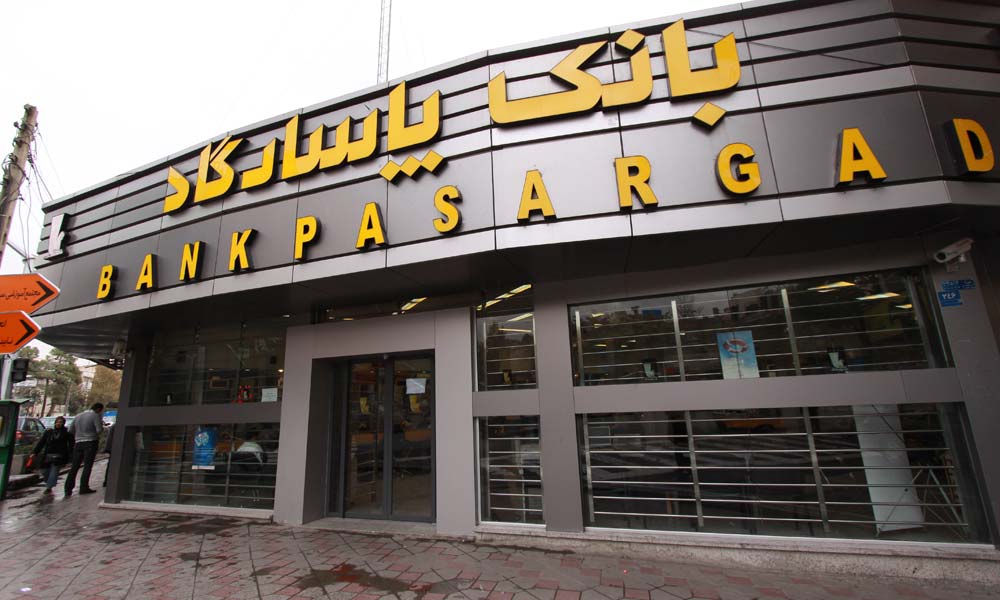
The cryptocurrency has been developed with the help of the Parsian Bank, the Bank Pasargad, Bank Melli Iran and Bank Mellat.
The director of Kuknos, the blockchain company taking care of the technical aspects, said that PayMon is a way to tokenize assets and excess properties of the banks.
A billion PayMon tokens will be initially released.
To carry out transactions in cryptocurrencies, according to Cointelegraph, Iran has been negotiating with Switzerland, South Africa, France, the United Kingdom, Russia, Austria, Germany and Bosnia.
The announcement was made on the annual two-day Electronic Banking and Payment Systems conference, which was held in the capital city Tehran, with the theme: "Blockchain Revolution".
Alireza Daliri, deputy for management development and resources at the vice presidency for science and technology, said that blockchain can help improve the country’s national economy.
Mohammad Javad Azari Jahromi, Iran's information technology minister who attended the electronic banking conference, called the bank's draft regulations "a move in the right direction".
Iran also started authorizing initial coin offerings (ICOs), tokens, cryptocurrency wallets, cryptocurrency exchange bureaus and cryptocurrency mining through employing computing power.
However, the central bank has given some limitations, saying that "using global cryptocurrencies as methods of payment inside the country is prohibited."
Furthermore, in an effort to prevent more value loss of the Iranian rial currency, it prohibits Iranians from holding large amounts of global cryptocurrencies in the same way they are officially prohibited from holding more than €10,000.
Cryptocurrency is a digital currency, the transaction of which has no central authority and offers anonymity to those using the system, wherever they are in the world.
Its importance gained more attention in Iran, especially after the U.S. reimposed economic sanctions against the country, shutting it out of the global financial system.
In a similar move, Venezuela launched its own oil-backed cryptocurrency, Petro.