Every time, everywhere, it's business as usual. And Google is a foe to many.
But sometimes, it has to partner with them to achieve what it wants. And this can be easy, if the interest is mutual.
Google has partnered with Samsung, a frenemy to say the least, to launch what it calls the 'Eclipsa Audio' format.
Challenging Dolby, one of the biggest names in immersive audio, Eclipsa Audio is an open-source spatial audio format designed to bring 3D sound to YouTube and Samsung’s TVs and soundbars.
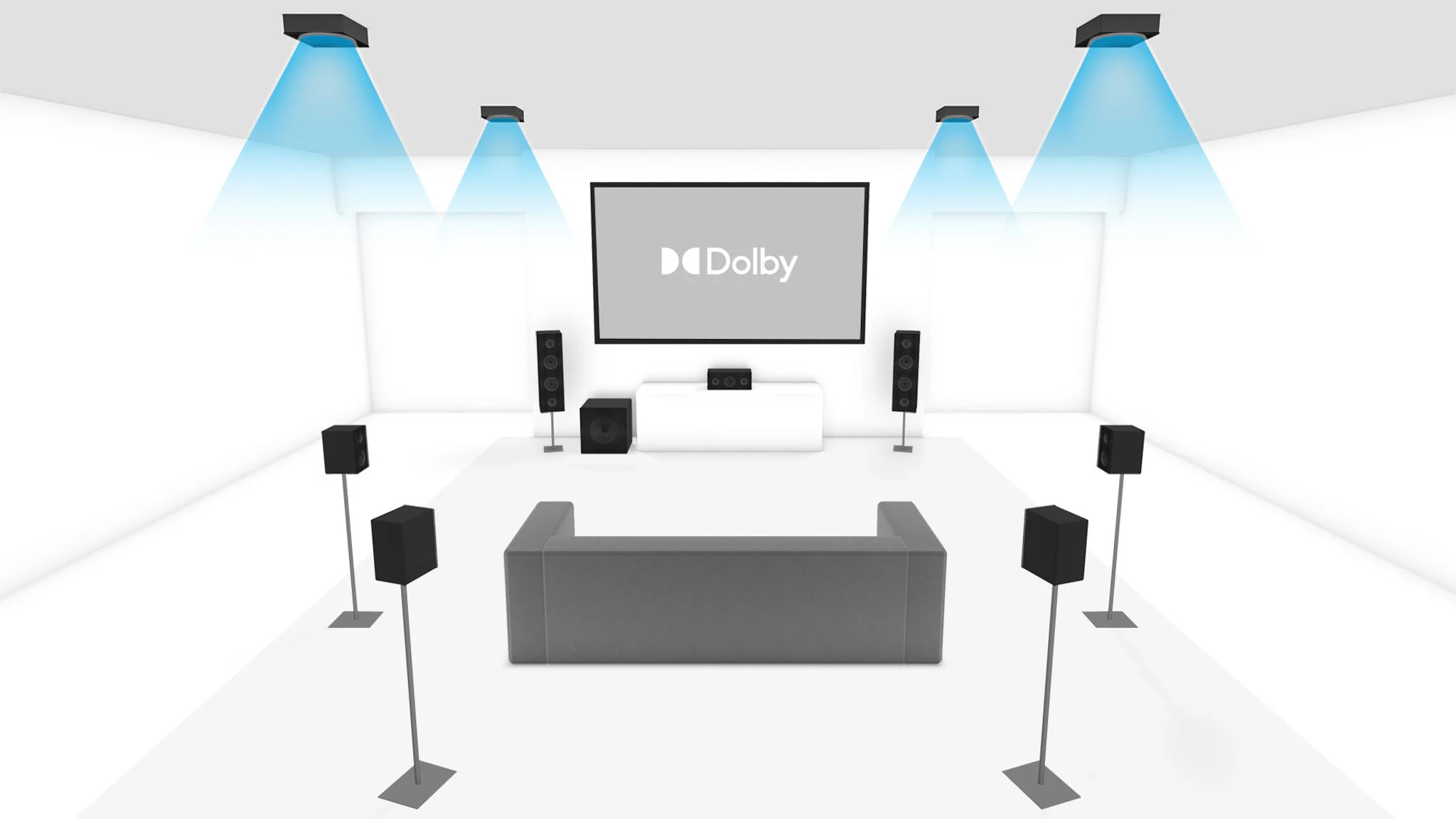
Dolby Atmos has been the industry leader in 3D audio for more than many years, offering immersive surround sound that makes it feel like sounds are coming from all directions.
Unlike traditional surround sound (like 5.1 or 7.1 systems), where speakers are positioned around the listener to create sounds that travels horizontally, Atmos goes beyond that by adding height, allowing sounds to move above and around the listener, creating a truly 3D sound experience.
To make this happen, Dolby Atmos systems require ceiling or upward-firing speakers that bounce sound off the ceiling to simulate the overhead sounds, using 5.1.2 or 7.1.4 setups, for example.
To make sounds travel three dimensionally, Atmos uses a software that decodes sounds and routes the audio objects to the correct speakers, which can be calibrated to ensure optimal sound placement, based on the listener's room setup and speaker positions.
And for this to work, content must be encoded in Atmos, and that the players themselves, like the Blu-ray player, streaming device, or gaming console, must support Atmos.
In fact, the software can even work on headphones by virtualization of 3D audio, object-based audio, advanced processing, and enhanced immersion. This approach allows the stereo headphone to simulate the sensation of sound coming from above, behind, and all around.
At this time, Atmos is synonymous with premium audio, with nearly every major TV manufacturer use the technology to equip their high-end sets and sound systems.
But because of this, licensing is required.
There's even what's called the "Dolby tax" where manufacturers have to pay to license Atmos for their products.

Google and Samsung want to shake up this status quo with Eclipsa Audio, a royalty-free alternative to Atmos.
The two companies claim that Eclipsa functions similarly to Atmos, in which it can also adjust audio elements like location, intensity, and spatial reflections to create a 3D sound experience.
The major difference is that Eclipsa Audio is an open standard, meaning device makers won't have to pay licensing fees.
Additionally, the two companies are launching a certification program in collaboration with the Telecommunications Technology Association to ensure high-quality performance across all devices using the format.
The collaboration between Google and Samsung was first teased in 2023 under the name Immersive Audio Model and Formats (IAMF). At the time, Samsung described the goal as offering a complete open-source framework for 3D audio, from creation to delivery and playback.
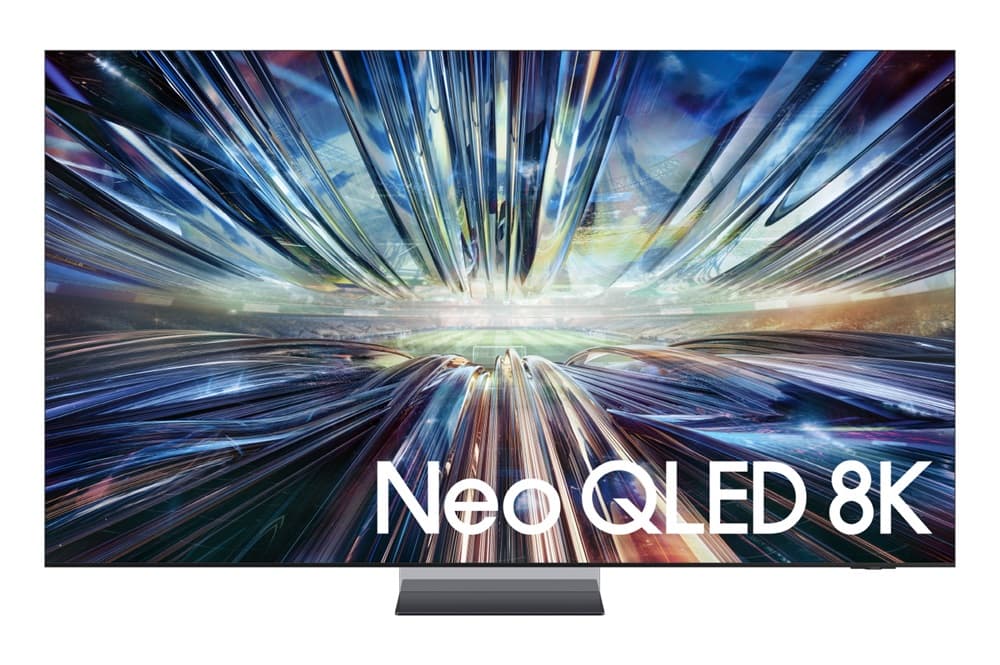
Google wants to use this technology to enhance the experience of YouTube. The company wants to offer this technology to YouTube creators, so they can bring immersive 3D audio to their content.
"We believe that Eclipsa Audio has the potential to change the way we experience sound," said Jim Bankoski, VP of Engineering at Google Chrome. "We are excited to see how the creator community uses it to create new and innovative audio experiences."
As for Samsung, the motivation is mostly to avoid licensing costs.
With Eclipsa Audio, the South Korean company said that it wants to keep on transforming home entertainment with cutting-edge 3D audio experiences, but without having that Dolby tax.
In a bid to ensure that the Eclipsa Audio maintains consistently high standards right from the beginning, both Google and Samsung are both working with the Telecommunications Technology Association (TTA) on developing a certification program for Eclipsa Audio-equipped devices.
Eclipsa Audio was introduced ahead of CES 2025.




















































































































































































































































































