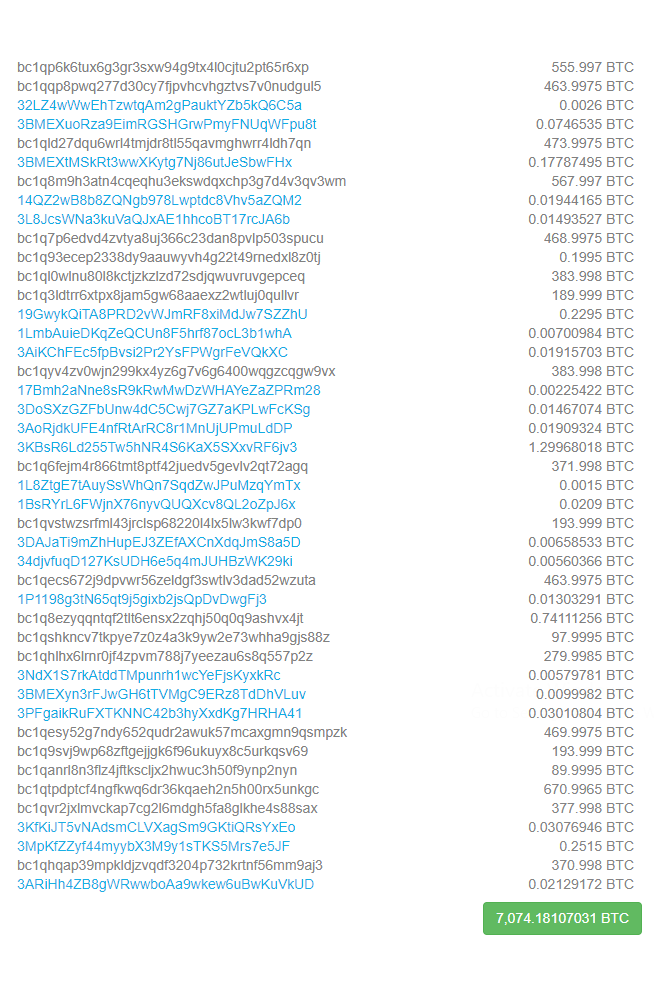
Binance suffered what it called a “large scale security breach”, when hackers were able to transfer 7,000 Bitcoins from the company’s hot wallet, or about 2 percent of the company's total BTC.
For what was lost, was more than $40 million in one transaction.
In an announcement, Binance‘s CEO Changpeng Zhao said that the hackers were able to obtain user API keys, two-factor authentication (2FA), and potentially other information.
"The transaction is structured in a way that passed our existing security checks. It was unfortunate that we were not able to block this withdrawal before it was executed."
"Once executed, the withdrawal triggered various alarms in our system. We stopped all withdrawals immediately after that."
Zhao claims that the hackers "used a variety of techniques, including phishing, viruses and other attacks."
The attack was sophisticated enough that the hackers managed to circumvent Binance‘s security checks. To prevent further damage, Binance blocks withdrawal for the next seven days while it carries out security check procedures.
"The security review will include all parts of our systems and data, which is large. We estimate this will take about ONE WEEK. We will post updates frequently as we progress," Zhao continued.
"Most importantly, deposits and withdrawals will need to REMAIN SUSPENDED during this period of time. We beg for your understanding in this difficult situation."
As for users affected, Binance said that it is using its SAFU (Secure Asset Fund for Users) emergency insurance fund to reimburse those affected by this breach.
The emergency fund was first created on July 2018, with Binance allocating 10 percent of all trading fees received into SAFU in a separate cold wallet, "to offer protection to our users and their funds in extreme cases."
Binance may be able to reverse this blockchain transaction made by the hackers using ‘block re-organization,’ which is often associated with ‘51-percent attacks.’
But this would be difficult because to cancel transactions and recover the stolen or hacked funds, Binance needs to convince Bitcoin’s mining pools to agree to work with an alternate version of Bitcoin is in their best interests, starting from just before the attack happened.
The matter is also difficult because Bitcoin at the time of Binance hack incident, rewards miners for adding blocks to its blockchain with 12.5 BTC (about $72,800).
Deleting past blocks would mean miners in giving up those rewards, as well as the associated transaction fee revenue.
With Bitcoin adding blocks every 10 minutes, the cost of Binance in re-organizing its blockchain grows very quickly. It also depends on how many mining pools agree to the plan.
Even if Zhao managed the above, the re-organizing would also face a challenge as the hackers could sweeten the deal for miners and thus, preventing the re-organizing from happening in the first place.
Zhao ultimately agreed that he simply doesn’t have the power to “unhack” the $40 million worth of Bitcoin stolen, albeit after being educated on the matter by those close to him.