Silent Hill was supposed to be a fictional town in Maine. Now it has traveled beyond its original map and become a portable folklore, a method Konami hands to studios so they can dig into their own streets and call the result part of the same curse.
The outreach started in earnest with Silent Hill f. And now, Townfall is the next town to accept the letter.
The invitation has the same hush as Mary's note to James in Silent Hill 2.
What traveled first were the clips. A man hauling himself onto a Scottish dock in 1996 with an intravenous line still taped to his wrist and a pocket TV already hissing in the fog.
Silent Hill: Townfall reaches its full release on the 24th of September 2026 for PlayStation 5 and PC, yet the island had already begun to occupy people days early.
Deluxe owners crawled ashore on the 22nd. Reviews named the dread on the 21st. By the 23rd the feeds were full of the same wet silence, the same monument in rotting cardboard, the same low resolution silhouettes blooming on a tiny screen.
Read: Silent Hill f' Is 'Soulslike,' The Internet Sadly Concludes: Producers Disagree
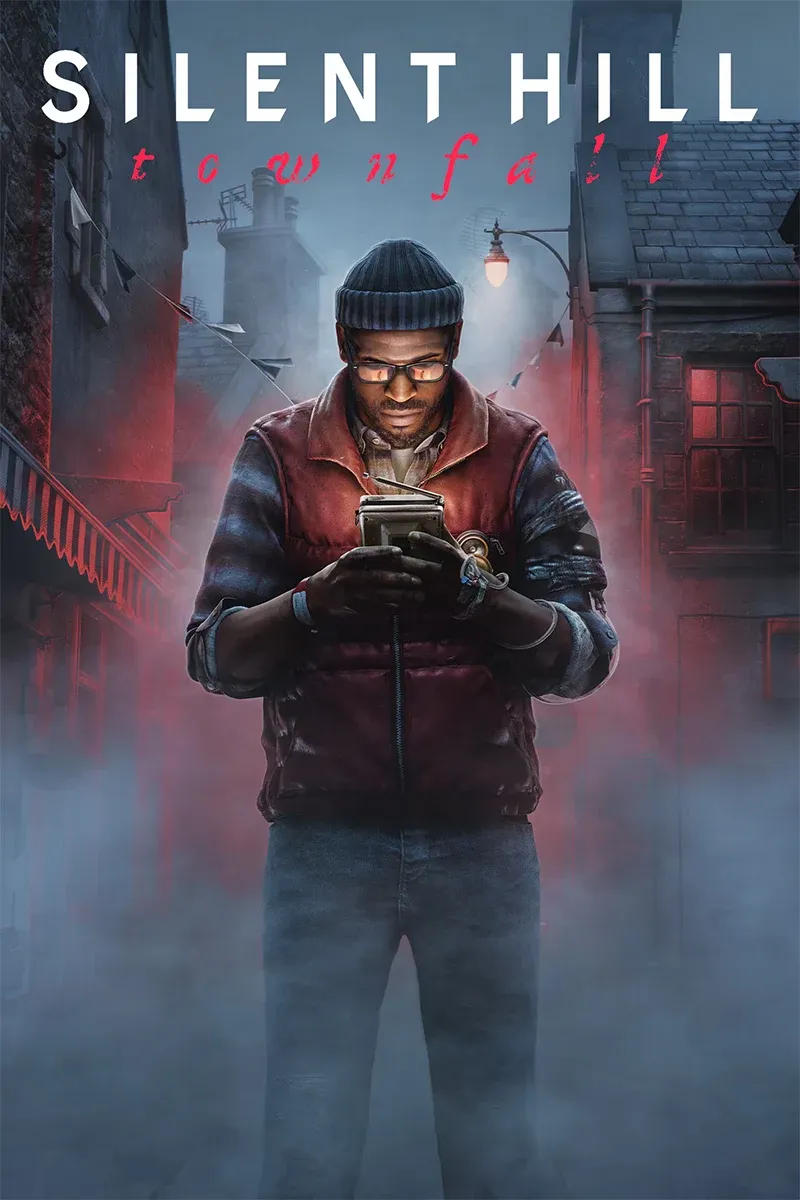
The virality is not celebration.
It is recognition, the sound of separate rooms realizing they are looking at the same drowned man.
St Amelia was never meant to be famous. In 1996, it was a fading East Neuk community clinging to the last boats and the last pride, the kind of place where fog is weather before it is omen, where sandstone stays damp after the rain stops, where the boats on the shoreline still carry children's names. Hannah. Harris. Matthew.
Then Chapman Energy Group arrived with its campus and its promises and its rig out on the water, the SWPD, 95 men working the North Sea oil that was supposed to save everyone. The fire took all of them.
Simon Ordell was the independent safety inspector who walked off the only surviving boat. Zoe Ellis was the local nurse who put her hands inside him and kept him breathing long enough for the helicopter to lift him toward the mainland.
Richard Shaw was the man who signed the restructuring memos and the greenwashing statements and then, years later or perhaps no years later at all, spoke through the static of that portable television and told Simon to come back and put things right.
The town that remains is not the town that burned. It is the town that remembers burning.
Deserted shops with for sale signs still in the windows. Blockaded roads. Fliers that still read our grief is their failure. A man somewhere in the early hours receiving black goop pumped into his lungs. Fleshy doors that bleed when they are cut open from the inside.
First person does not let anyone pretend this is someone else's nightmare. Clothes stay soaked. Vision stays a letterboxed slit. Hands shake on a pipe that snaps after two good hits.
Limited sight means the threat can arrive from the side or from behind. Sound becomes a second body.
The CRTV is the only honest object in the place.
Hold it up and the static blooms into outlines of the Others, bound and boiled and divided things that gabble and scuttle and sometimes play dead until a step comes too close.
They are not imported pyramid heads. They are the town's own meat given new purpose. Some never leave a corridor. Some cannot be killed. Hide in a locker or a wardrobe and watch them through the crack or through the little screen while minutes turn heavy.
Reviewers called the stealth lumbering, robotic, a parade of viewcones.
People already inside say the lumbering is the point.
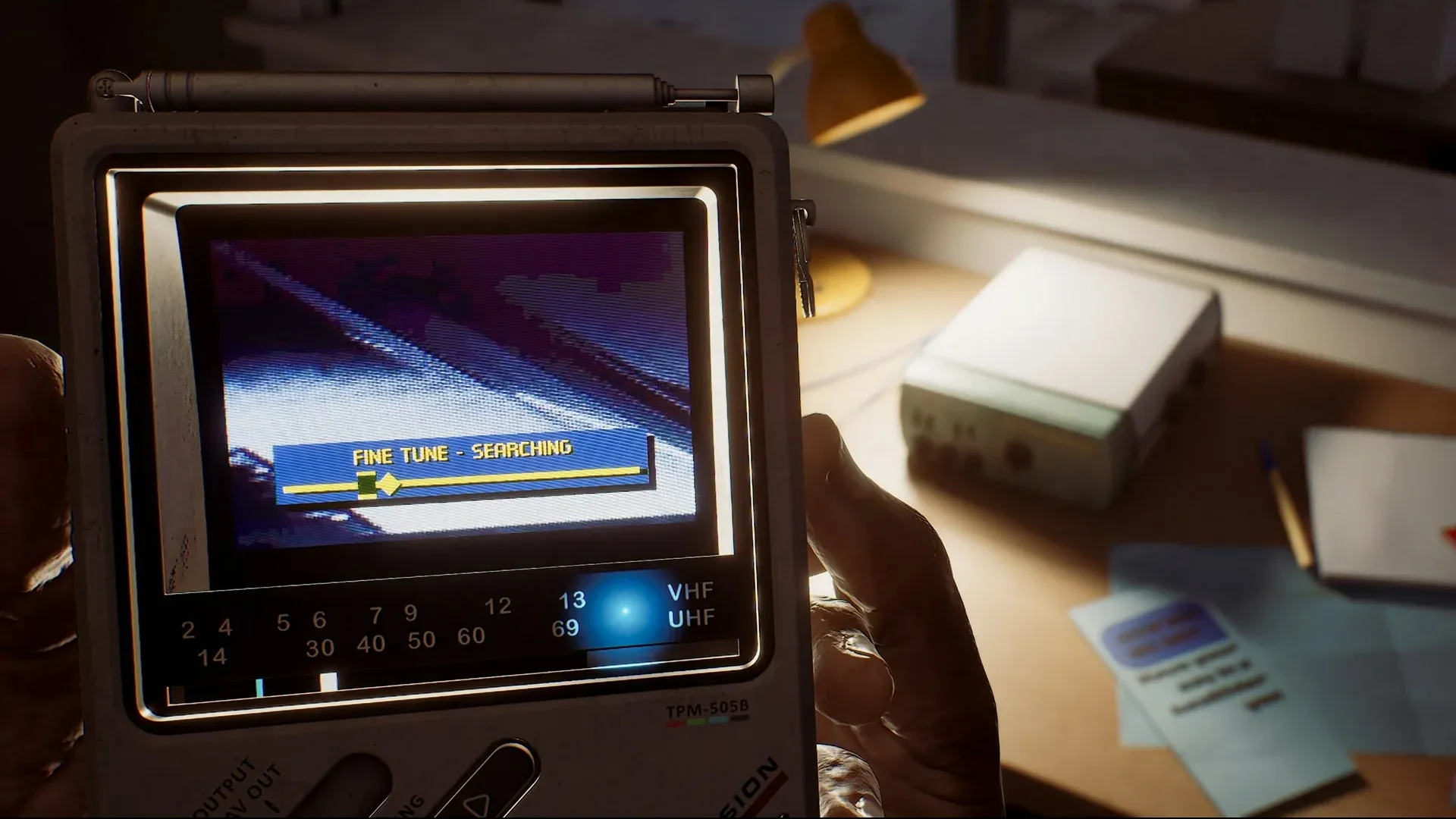
After all, in a Silent Hill game, players aren't supposed to feel like hunters. Instead, they're supposed to feel like the last pulse in a place that decided pulses were optional.
The story does not stay inside one skull too. It splits the way guilt splits when nobody will claim it. Long stretches belong to Zoe in the hospital that never finished its last night, wards where curtains hang like wet skin and a doctor's voice has curdled into instruction and accusation at once.
The NHS of that winter is not backdrop. It is a system already starving before the rig burned, women talked over, shifts that do not end, instruments that look ordinary until the other place remembers what they were used for.
Then the game hands over Richard, the man of memos and reputation management, and the offices become another kind of ward. Beige computers. Greenwashing language that reads like prayer. Paperwork that feels damp, as if the fire never stopped writing itself.
Time does not move forward so much as it repeats with the details slightly wrong. A street becomes a knot of industrial pipe. A kitchen becomes a concrete tomb. A cassette in an ordinary house lists the dead in a voice that should have gone quiet in 1996.
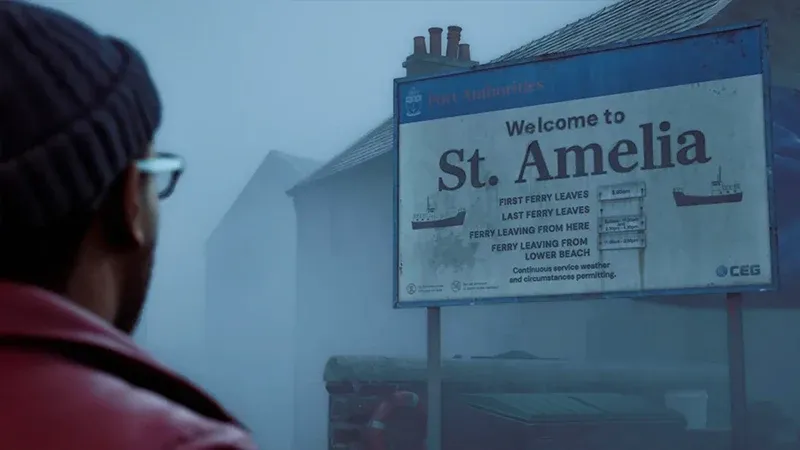
The disaster is never a briefing.
It arrives the way rumor arrives on an island. Emails left open. Payphones that save progress and also save the last thing someone tried to say. Floppy disks. Slide projectors. A microcassette that lets a player step into the same room at a different hour and watch the same mistake choose a new victim.
One survivor. A company that called the island lucky until smoke made that word obscene. Boats named for children. A monument that looks too much like a real town that ran out of language.
That square is what the feeds cannot drop.
Steam is already in the thousands before the official release, with streams scheduled like vigils.
People who have never finished another Silent Hill game, people who barely knew the franchise, are watching Silent Hill: Townfall because the fog is like a curse that fell down on the streets they actually know.
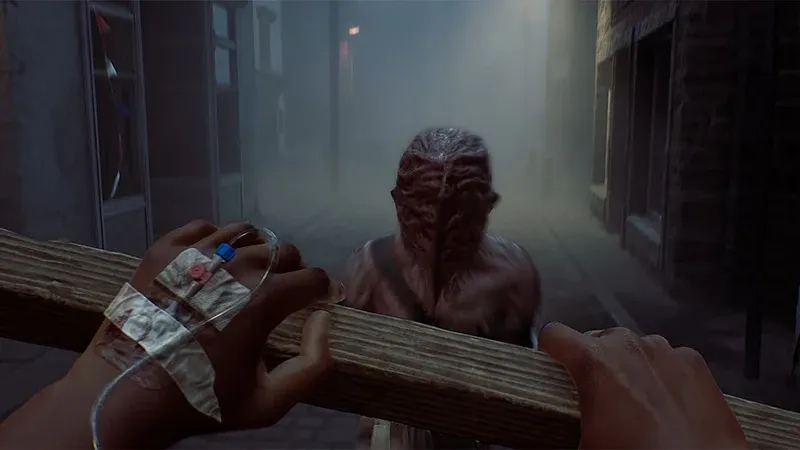
The Others are leftover work. Bound flesh. Boiled flesh. Divided flesh. Things that scuttle like they remember being useful. Things that will not die because the paperwork never declared them finished.
First person makes them intimate in the worst way.
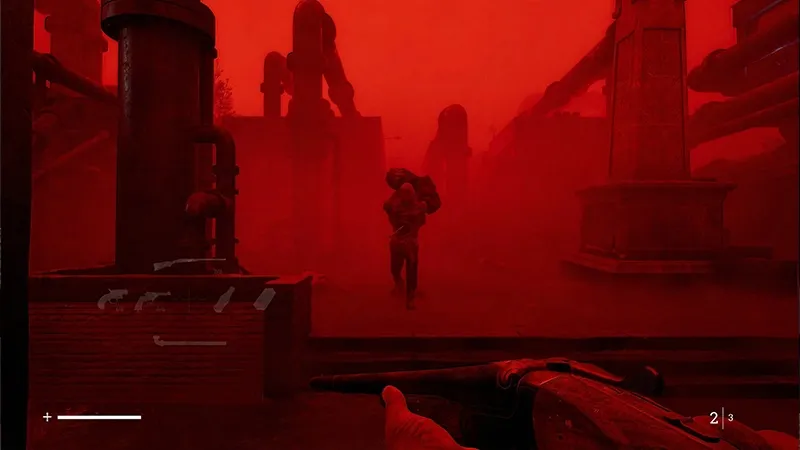
No over the shoulder mercy. No safe distance from a nurse's silhouette or a needle face in a crimson alley. The little television shows too much and never enough.
St Amelia has been rehearsing this occupation since the fire, since the helicopter, since the first time Simon woke in the water and decided the island still needed him.
The virality is the sound of that decision spreading. Separate rooms. Same hiss. Same monument. Same man on the dock who cannot get dry.
The curse was never only Maine. It was always looking for the next place that already knew how to drown.






















































































































































































































































































