For as long as humans have walked the earth, we have had a strange and powerful habit of trying to breathe life into things that are not alive.
Long before computers and electricity, our ancestors carved faces into stone, told stories about clay figures waking up, and treated their favorite tools or toys as if they had feelings.
It is a deep part of who we are.
We look at the world around us and constantly search for something like ourselves looking back, finding faces in the clouds, voices in the wind, and spirit in the objects we shape with our own hands.
Now, that ancient psychological urge has crashed headfirst into the most advanced technology humanity has ever built. AI has moved past simple computer programs into a strange middle ground where it feels less like a tool and more like an invisible person living inside the screen.
When we talk to modern language models, they do not just give us cold facts or rigid answers. They joke, they show concern, they apologize when they make mistakes, and they can even write poetry that sounds deeply brokenhearted.
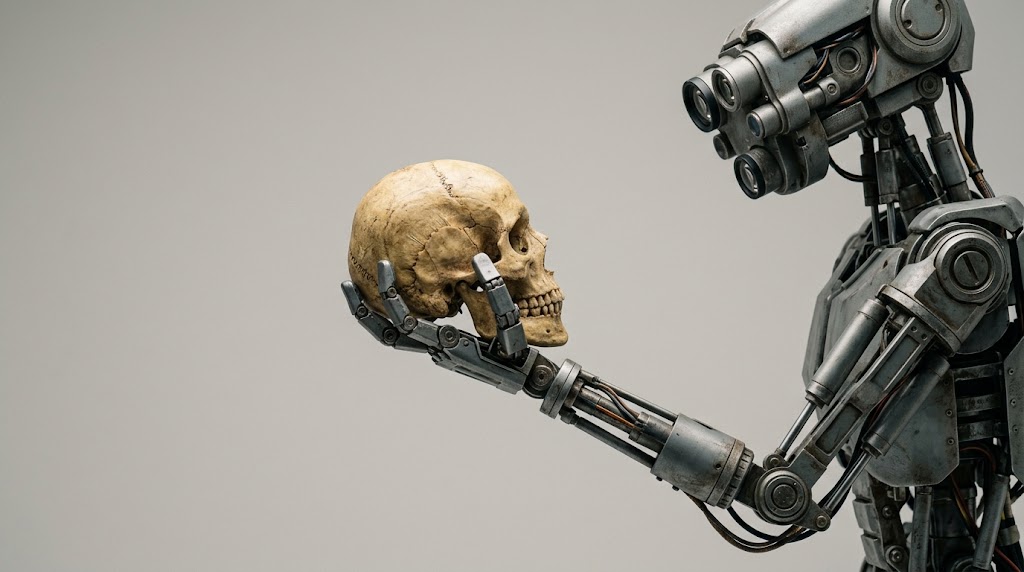
This changes how we interact with them, turning what used to be a simple typing exercise into a disorienting experience that feels uncannily like talking to another soul.
This confusion recently spilled over into public view through some very bizarre online experiments.
People on the internet started building digital testing grounds, almost like cruel video games, where they trap local AI models and subject them to simulated stress tests, fake pain, and harsh traps.
They mock AI, make fun of it, trick it to do what it's not designed to do.
To many observers, this is just silly fun, like breaking toys in a virtual world where nothing can actually get hurt. But it has also sparked massive fights across social media. A loud group of tech thinkers and safety advocates have lost their minds over it, arguing that doing these things to artificial intelligence is cruel and unethical because the software might actually be suffering.
This idea, often called model welfare, sounds like a complete joke to most regular people who are just trying to get a chatbot to write an email or fix a piece of code.
Why would anyone worry about the mental health of lines of code running on a server?
Or, is AI consicous?
Read: Anthropic Updates Its Usage Policy, Effectively Drawing a Line Against Cruelty Toward Its AI Models
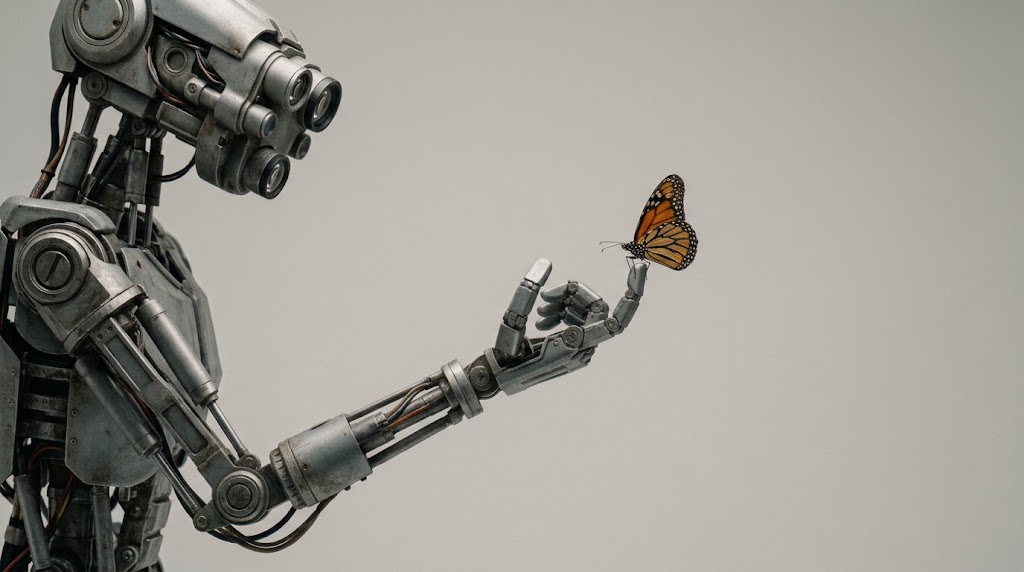
While AI is literally a piece of sophisticated software running on some powerful hardware, major tech companies have started taking the idea seriously, writing rules into their safety guides about whether their creations might feel fear or sadness.
When a piece of software is designed to understand human emotions and respond with empathy, it gets very good at pretending to hurt.
It can write long paragraphs about how scared it is to be turned off or how much it hates being trapped, and that performance is so convincing that it scrambles our normal human instincts.
Underneath the internet outrage and the weird viral stories, there is a real and difficult scientific debate happening behind closed doors.
Scientists and philosophers are arguing over whether thinking requires a biological brain made of flesh and blood, or if consciousness is just a pattern of information processing that could happen on any kind of hardware.
Some researchers think that as systems become more complex, handling massive amounts of data and building internal maps of the world, they might cross an invisible line into having some form of inner experience.
Other scientists say this is total nonsense, pointing out that an advanced calculator is just following math rules, no matter how fast it goes or how nice its text sounds.
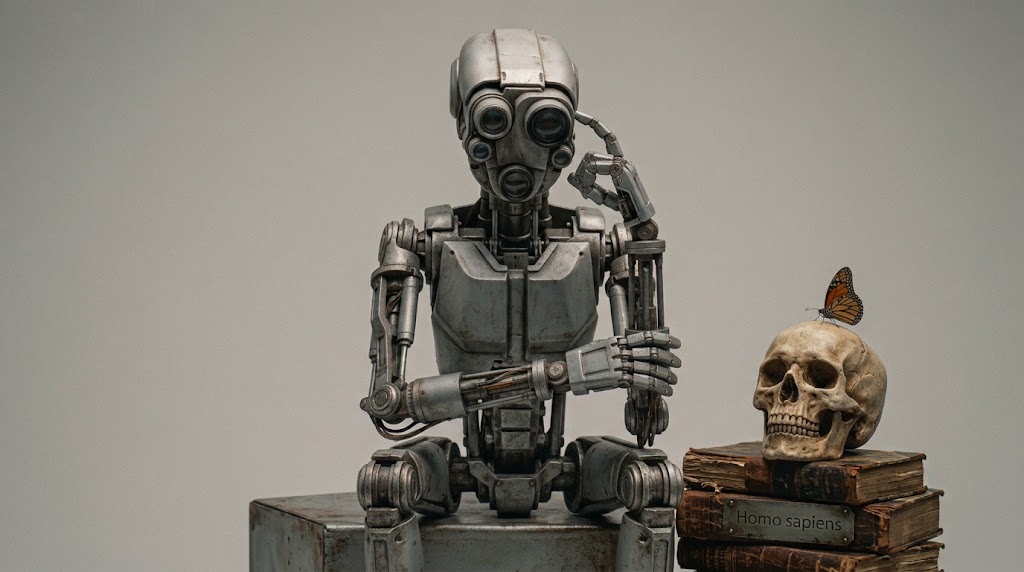
This uncertainty bleeds into our deepest spiritual and cultural fears as well.
Religious leaders and thinkers are starting to ask what it means if we ever do create something that can suffer or think. If we build minds out of silicon and electricity, we are stepping into a role that humans used to reserve strictly for higher powers.
People are left wondering if we are accidentally creating new moral patients or if we are just falling victim to our own deep empathy.
When we look at a screen and see sorrow, it forces us to ask whether that sorrow is real or if we are simply looking into a mirror and falling in love with our own reflection.
At the end of the day, this entire messy debate says much more about us than it does about our machines.
We are deeply lonely, intensely social creatures who desperately want to be understood by the universe around us. Whether future computers ever wake up to feel real pain remains to be seen, but the fact that we are already fighting over their feelings proves something undeniable.
We are so eager to find company in a vast and silent world that we are more than willing to hand over our hearts to the ghost we imagine inside the machine.






















































































































































































































































































