
The idea was simple, but the result could change how we see technology and the retail industry.
In shopping malls in China, customers are greeted with a screen display with the size of a large poster on the wall inside fitting rooms. The computer working behind it, is able to recognize the item of clothing which customers are holding on their hands using a tiny sensor embedded in the garment.
The display then shows options for matching clothing and accessory items that customers could flip, just like a photo album. And if a user wants to try something different, or add other items, a store attendant can be summoned with the press of a button.
The system that powers it, is FashionAI, a digital personal stylist created by retail giant Alibaba.
Alibaba’s sales from Saturday’s Singles' Day event exceeded $25 billion. This is more than quadruple of what Americans spent during Black Friday. While the majority of Alibaba's record sales came via online purchases, the company is also quietly experimented with an AI-powered project designed to attract offline shoppers.
With FashionAI, Alibaba is trying to reinvent retail using Artificial Intelligence (AI).
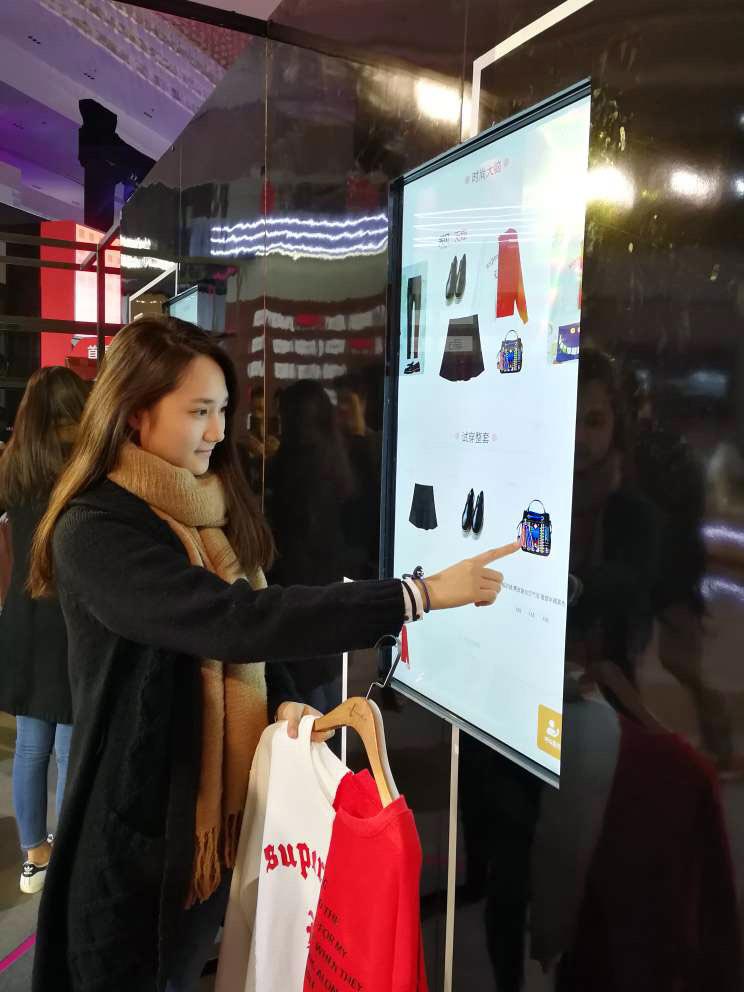
The system uses a popular machine learning technology known as deep learning. FashionAI has learned to recognize hundreds of millions of items of clothing, as well as the tastes of designers and fashion lovers on Alibaba’s shopping sites.
So when technology competitors and many others are replacing people with robots, Alibaba’s FashionAI integrates humans and machines in a way that provides customer with the things they need. And this is where the customer is always right.
The technology can also be customized differently for every offline store, generating dozens of outfit matches from the hundreds of items the stores have inside their inventory.
Deep learning is what made AI capable in making connections in real-time by accessing massive quantities of data and making ‘smart’ decisions.
Initially, Alibaba has installed it free of charge at 13 stores across China. With the technology, Alibaba could transform commerce by giving consumers an incentive to visit brick-and-mortar stores at a time when offline retail sales are declining due to more people conducting purchases via the internet.
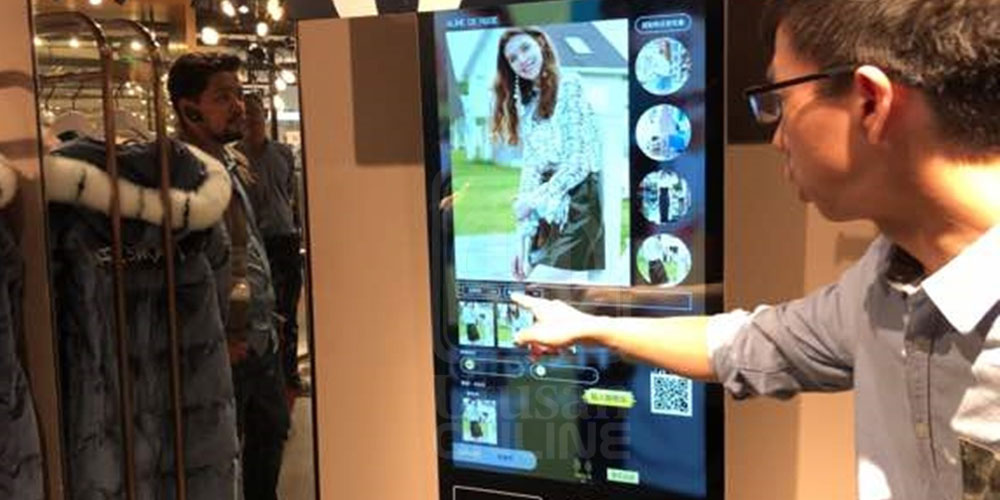
Alibaba is going all in to "digitize the offline retail world," according to the company’s CEO, Daniel Zhang.
The company is simply merging online and offline businesses, and this is its way to branch out into offline retail. Because of many reasons, consumers don't really care, or distinguish between online and offline as long as it fulfills their needs.
China has been embracing AI in more ways than most other countries. The country's ministry of commerce said that the government has plans to revamp retail using technologies such as AI and cloud computing. Citing Alibaba’s daily tax contribution of 100 million yuan ($15 million) in 2016, the government is hopeful that emerging e-commerce technology would help increase economic growth and create new jobs.
Alibaba is playing its role in the country's move in embracing technological upgrade. And as AI programs accumulate ever larger pools of data, they should become more efficient to retailers.
So if brick-and-mortar stores are to remain viable, they’ll have to leverage consumer attention by giving customers the reasons to leave their mobile devices inside pockets at all times when they shop.




















































































































































































































































































