
Project Ara was Google's ambitious concept for a modular smartphone. Previously, it was reported that Google suspended the project, now after several delays and feature reduction, the company is finally putting it out of its misery.
A spokesperson at Google said that despite the company in May 2016 was thinking to ship Ara phones in fall, but the decision was reportedly made by Google hardware chief (former Motorola president) Rick Osterloh, who has been trying to streamline the company's "disorganized" product line up.
A modular design for a smartphone can indeed provide products that can be customized easily according to users' needs, but it complicates the hardware production process.
The reason for this is because Google would not only have to manufacture a lot of smartphones but also all of their detachable features that include cameras, battery packs, speakers and other accessories.
So beside being more expensive to produce and requires more process, Ara can add more clutter to the already cluttered Google products. Furthermore, the interchangeable parts can make a phone bulkier.

Project Ara has been in the works for three years at Google and in August 2015 its public reveal was delayed to 2016.
Google in announcing the end of Project Ara is a said turn of events for fans of the ambitious concept. Project Ara came from Google's experimental Advanced Technology and Projects group (ATAP) which was under Regina Dugan, a former chief that left Google for Facebook.
In 2013, the team responsible for Project Ara developed a concept design that reimagined a smartphone that consists of smaller pieces. Similar to LEGO bricks, the smartphone takes form after the hardware components are attached together. The parts can also be rearranged and swapped, all in just seconds.
The concept was borrowed from the highend PC market where various parts of a computer can be changed and upgraded almost endlessly. PC users are familiar with this process where they can replace almost any parts of their PC anytime they need a change.
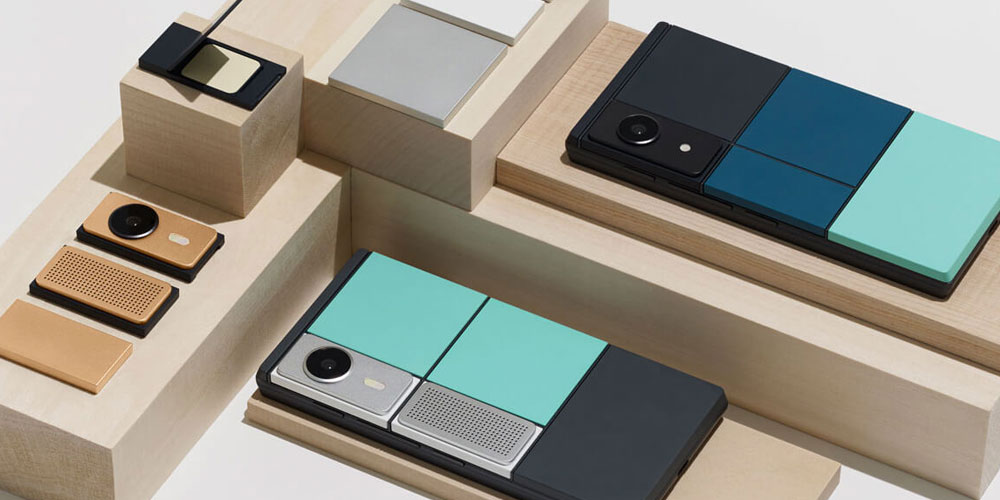
While Google won't be releasing its own Ara phones, the company may work with partners to bring the project's technology to the market. Putting Ara out of its misery is Google's first steps in unifying its various hardware products, which range from Chromebook laptops to Nexus phones.
Project Ara highlights interchangeable parts. While most gadgets have a lifespan of about a year to a few years, modular smartphones have the potential to prolong their usage and even reduce electronic waste. And with great customization ability, modular smartphones have generated great enthusiasm in the tech community.
Those features that makes Project Ara, would essentially make each phone unique. But Google sees it as a bad thing for business, at least for now.

















































































































































































































































































