Workplaces have long treated software as a set of individual tools that people open, close, and manage on their own.
Over time those tools began to accumulate more context, but the coordination still fell to the people using them. Recent systems have started to place persistent agents inside the same environments where the work already happens.
Grok Bot first appeared in public beta on August 11, 2026. At that stage each Bot ran on its own cloud computer, signed into existing applications and websites, and continued tasks after the user closed their laptop.
The company described it as something that finished work end to end and returned only when approval was required.
Internally it had already been used for sales outbound, marketing campaigns, support, accounting, and engineering tasks. Access was limited to certain SuperGrok and Cursor subscription tiers.
The version 1.0 release shifts the focus from single-user handoffs to shared use across a team.
A Team Bot can now be given to specific people or groups.
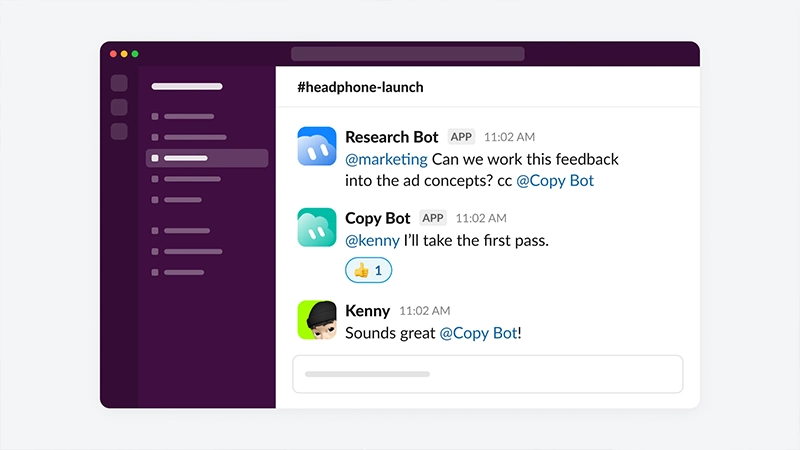
The same Bot can appear in Slack and Microsoft Teams conversations, follow threads that involve multiple participants, and contribute information or offer to take on work.
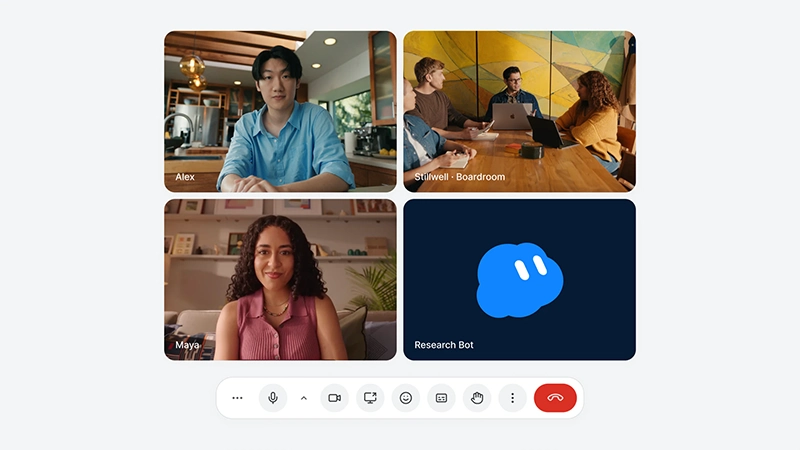
It can also join video calls on platforms such as Zoom or Google Meet and participate through the chat, carrying forward context from earlier discussions.
As different people interact with it, the Bot retains decisions, preferences, and knowledge that accumulate for the whole group.
The system is also able to notice ongoing work and suggest next steps without a direct request.
In the product-launch example given by the company, a Bot might observe an approaching deadline, prepare materials, follow up on unfinished items, or coordinate with another Bot once the team has settled on a direction. When a decision requires human judgment, it brings the relevant people in.
Safeguards remain in place: the Bot respects each person’s existing permissions, asks before sensitive actions, and checks whether information is suitable for a public channel.
Capability changes accompany the collaboration features.
Browser navigation and sign-in handling are described as more reliable, with fewer interruptions during multi-step website tasks. Document and presentation output has improved, and Bots can now produce interactive Pages that team members can edit together or that the Bot can keep updated.
Connections to tools such as Gmail, Google Calendar, and GitHub allow more work to complete directly inside those applications.
Approval logic has been adjusted so that previously authorized actions generate fewer prompts while still requiring confirmation for sensitive steps.
New settings and analytics let administrators manage what a shared Bot knows and review how the team uses it.
Team Bots are available on Team and Enterprise plans.
Meeting participation is offered on Team, Enterprise, and Ultra plans, with an option for enterprise administrators to enable it. The company states that it already treats Bots as teammates that own outcomes in accounting, support, sales, and marketing.
The 1.0 update is positioned as the point at which those agents can operate with a fuller picture of both the work and the people performing it.