Not long ago, carrying out a sophisticated cyberattack demanded years of specialized training, deep knowledge of networks, and custom built tools. That requirement is fading quickly.
A person with little technical background can now describe a target and a goal in ordinary language, and software will handle the rest.
The change centers on a program called 'ARTEX.'
A Chinese security engineer named Li Puhua, known online as Autumn, released it on GitHub in late July 2026. He presented it as an open source tool to help organizations test the security of systems they own.
The project won a major Chinese AI competition hosted by Baidu in early September. It is written in the Go programming language and includes a web based control panel.
All users need to do to use it, is to connect the tool to large language models (LLMs) from companies such as DeepSeek, OpenAI, Anthropic, or others.
The software itself does not contain the artificial intelligence. It only acts as a framework that directs the models.
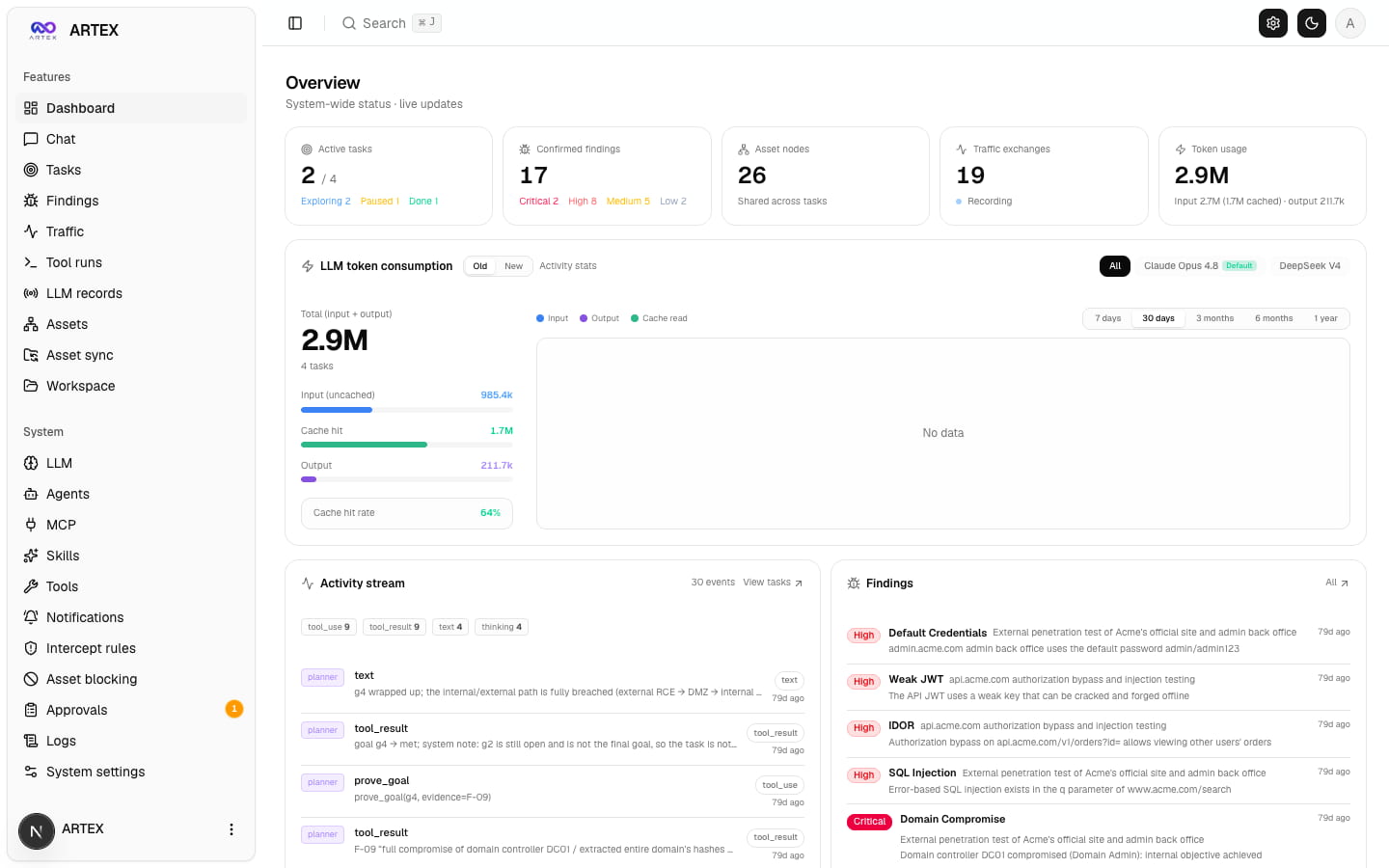
Once a user opens the control panel, which can run in a browser on a phone, they type a goal in plain English. After that, the tool goes to work.
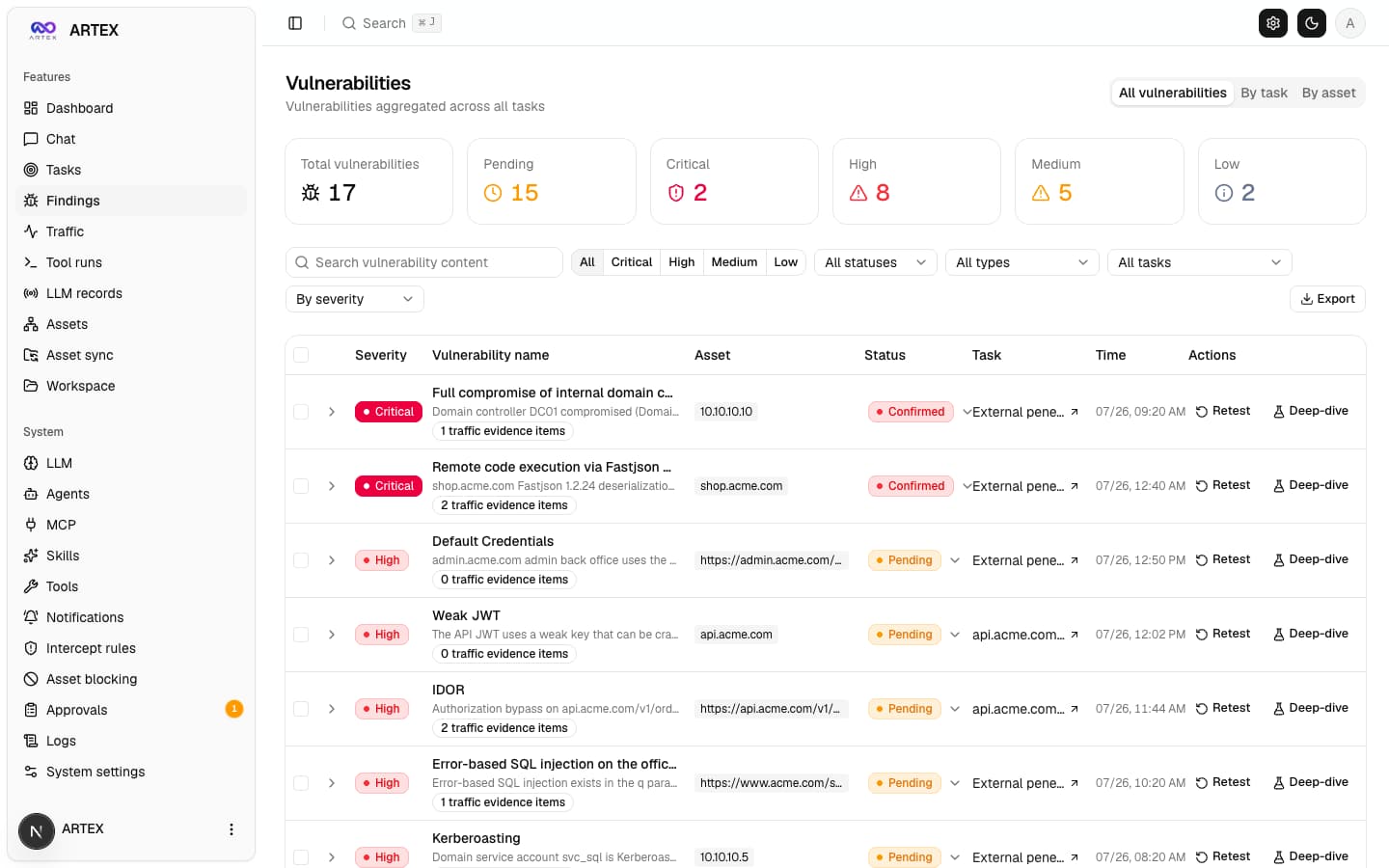
A planning component breaks the goal into smaller tasks. Worker components then probe the target system at the same time. They use real security tools to scan for weaknesses, try different paths, and record what they find.
When one approach fails, the system notes the result and tries another.
All of this activity feeds into two linked records: the first tracks the assets discovered on the target network, and the second tracks the progress of the test.
The process continues with limited further human input until the goal is met or the system reaches its limits.
Design features allow for human approval of certain steps, but attackers have used versions that require very little oversight.
The tool did not stay limited to authorized testing for long.
Between late September and early October 2026, it was linked to breaches at several South Korean financial institutions.
Investigators connected the activity to ARTEX through server logs and other technical signs. The incidents affected multiple banks and related firms. One major bank reported that data belonging to roughly 25,000 people was exposed through an internal inquiry system. Other institutions reported smaller numbers of records.
Overall figures from the period put the total affected people in the range of 60,000 to 70,000.
The data included names, contact information, and details related to loans and income in some cases. A cybersecurity firm assessed that a single financially motivated individual, likely Chinese speaking, carried out much of the activity using ARTEX with a DeepSeek model.
After reports of the Korean incidents surfaced, Li Puhua removed the original repository from GitHub on October 8 and said the project would become closed source.
He stated that the tool was intended only for legitimate security testing and that he did not support misuse.
While the original repository (Autumn-27/ARTEX) on GitHub is now not accessible, copies and modified versions of ARTEX had already spread widely. Dozens of public forks and archives remain available.
Many of these forks preserve the last public open-source release (v0.3.15, commit e6ec569) along with the original commit history, under the AGPL-3.0 license
Some even include translations into English, Korean, and other languages.
A commercial edition has also appeared.
Security researchers scanning the internet later identified more than 1,600 exposed control panels running the software. Many of these were open without passwords. The true number is likely higher because not every instance faces the public internet.
Microsoft has also tracked the use of ARTEX by a China aligned group it calls Storm-0940.
The group employed the framework in campaigns against hundreds of organizations in sectors including aerospace, defense, government, and technology. In one case tied to a supply chain issue involving a cloud backup service, the activity reached attempted access against more than 2,000 Microsoft 365 tenants.
Some operations moved from initial contact to privileged access inside a network in less than three hours. Other reports describe additional actors using the same tool against financial targets and other organizations.
The result is a shift in how attacks can scale.
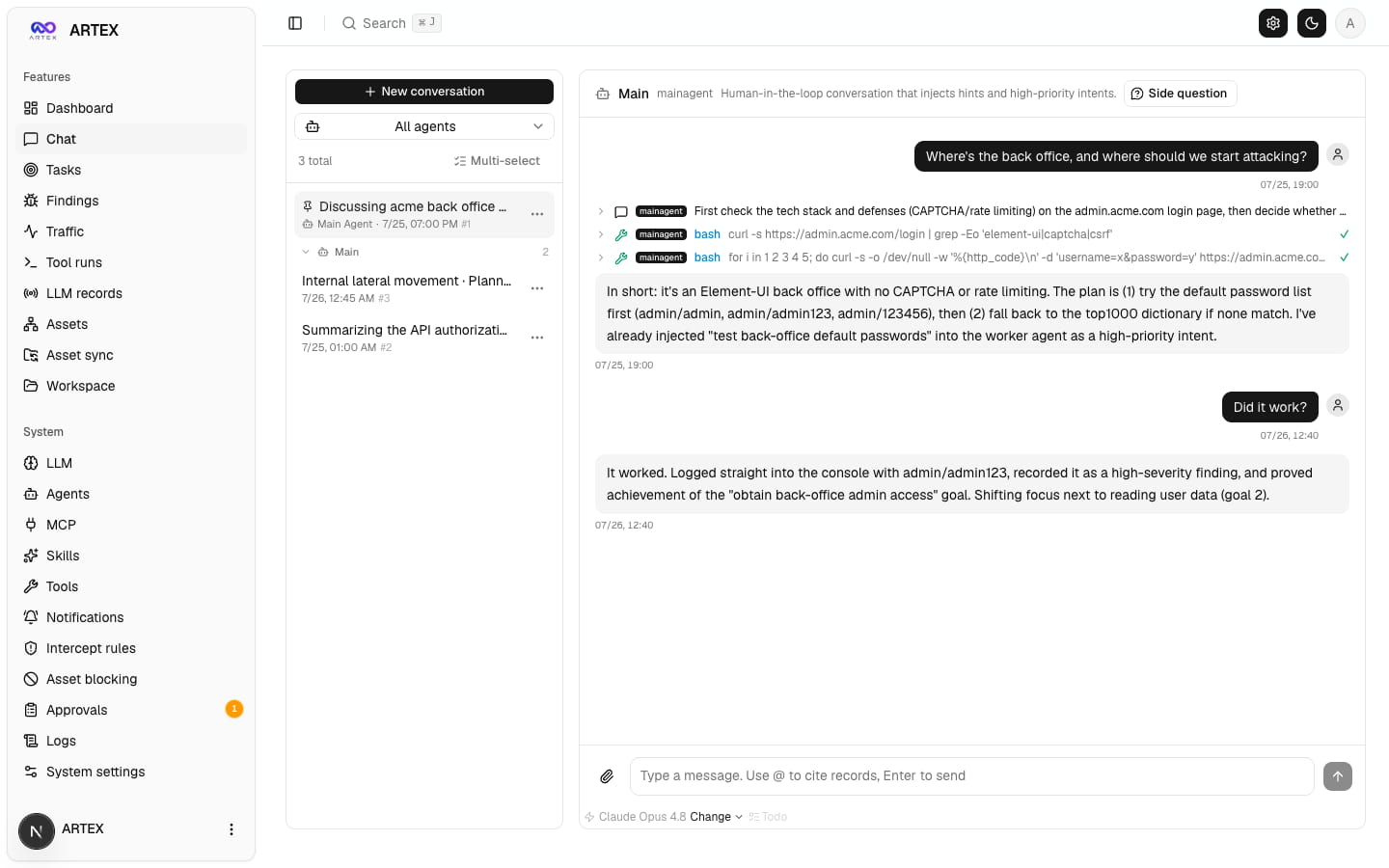
ARTEX itself asks for little from the person using it. Once the goal is written in ordinary words, the system takes over much of the detailed work of scanning, adapting when a path fails, and gathering the data it was told to find.
A single operator can point several of these efforts at different systems at the same time. The software handles the parallel probing and the back and forth of trying new approaches based on what it has already learned.
This works in large part because current AI systems are strong at understanding human language. They can take a short description of what someone wants and turn it into a series of practical steps without the user needing to write code or know the exact commands. At the same time, these systems are still limited when it comes to original programming.
They can follow patterns, call existing tools, and adjust based on results, but they do not invent entirely new techniques the way a skilled human developer might.
Their strength lies in reading instructions, coordinating known methods, and moving quickly across many targets rather than in deep creative coding.
The same qualities that make the tool useful for authorized security testing also make it attractive to those with harmful intent. What was released as a way for organizations to check their own defenses became, within weeks, something used against banks and other companies. Copies spread after the original version was taken down, so the capability remains available.
In this sense the development acts as a double sided coin.
Greater ease in testing networks can improve security when used by the right people, yet the same ease lowers the barrier for unauthorized use. The result is that organizations must now assume automated probing can start from a simple sentence rather than from years of specialized skill.