It was in 2018 when the East Africa nation Uganda introduced a Social Media (OTT) tax which required netizens in the country to pay a tax if they wanted to access services such as Facebook, Twitter, WhatsApp, and many others.
In a move to raise revenue and to control "gossip" being spread over these platforms, it turns out that the 200 shillings (about $0.06) daily had given a significant impact to the number of internet users in Uganda.
According to the Uganda Communications Commission (UCC), the tax resulted in a drop of 3 million internet users over a 3 month period.
In early 2019, that number has reached 5 million.
Also according to the UCC, it was found that only half of the internet users in the 44 million population country were actually paying the Social Media Tax, making the tax revenues collected from it far from what the government had expected when introducing it.
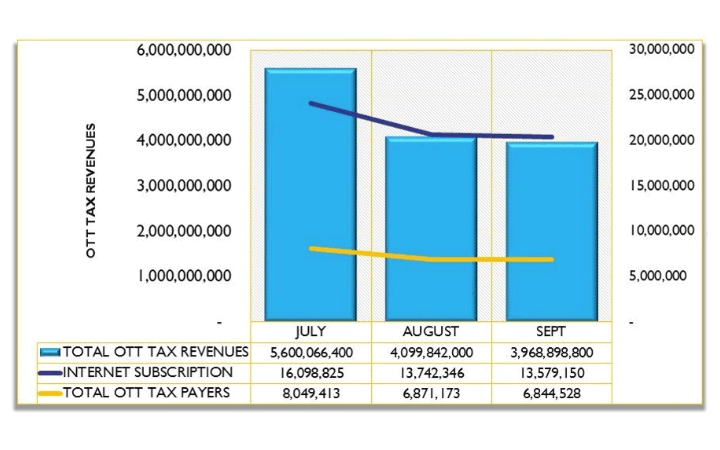
In a statement by the UCC:
The decrease in the number of internet users in Uganda due to the tax is not at all surprising.
The prevailing sentiment, among most Ugandans, is that since the tax was launched, it was meant to restrain freedom of speech by introducing an extra fee they must pay in order to use social media, as well as paying for their smartphones and internet access.
Uganda went further by even blocking known and popular VPN services, after they were used by citizens to circumvent the tax.
While some pay the tax to continue using the internet, others opt to use other methods, including using proxies, Tor or other VPN services that remained unblocked.
Uganda has seven telecommunications companies serving more than 21 million subscribers.
Most internet users in the country (more than 95 percent) are accessing the web using their mobile devices. It was Orange Uganda that was the first mobile operator to popularize mobile internet services when it joined the market in 2008.
At the time, with affordable USB internet dongles and reliable 3G internet, Orange quickly captured the data market. Orange was then joined by MTN Uganda, Smart Telecom, and Vodafone Uganda.
While Uganda has made great technological advances, the country still faces a number of challenges in obtaining affordable, reliable internet. One of the major obstacle, is the formal government-sponsored filtering regime.
During elections, for example, the UCC has blocked numerous anti-government websites and social media networks to control the flow of information and keep everything at bay.