Smartphones as well as other internet-connected smart devices, and laptops as well as PCs, are becoming inseparable to human lives.
Packed in continuously advancing technologies, more and more people are using them for increasingly more things, and to also accomplish more tasks.
But importantly, these devices store lots of data, and packed with sensors.
And the authorities who know this well, proposed a bill to allow the police to tap into those devices.
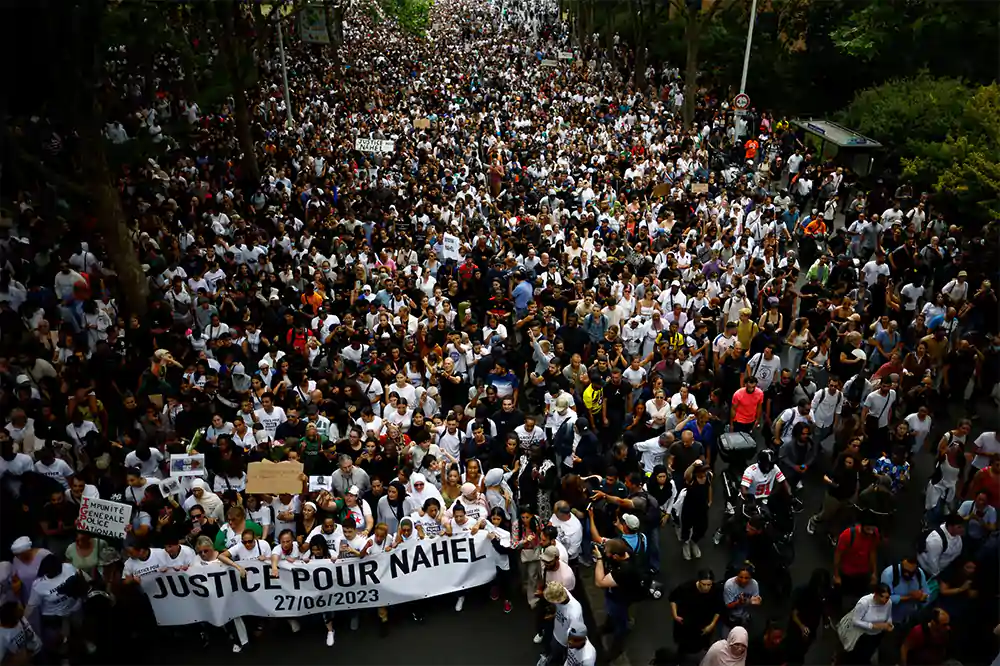
The bill which allows the authorities to remotely activate sensors of devices of crime suspects, and tap into the geolocation of people, as well as record sound and images of people suspected of terror offences, as well as delinquency and organized crime, has been granted in France.
This happens following series of unrest and protests in the country, following the raise of the state's pension age, and the more recent death of a citizen at the hands of the police.
Lawmakers defended the move.
Justice Minister Eric Dupond-Moretti insisted that the bill would only apply to "dozens of cases a year," while members of parliament inserted an amendment inserted an amendment which only allows the remote spying "when justified by the nature and seriousness of the crime" and "for a strictly proportional duration" that cannot exceed six month.
Lawmakers also insisted that sensitive professions, such as journalists, judges, lawyers, doctors and MPs would not be legitimate targets.
It's also said that the method can only be used on suspects in crimes punishable by at least five years' jail.
MPs in President Emmanuel Macron's administration inserted an amendment limiting the use of remote spying to "when justified by the nature and seriousness of the crime" and "for a strictly proportional duration."
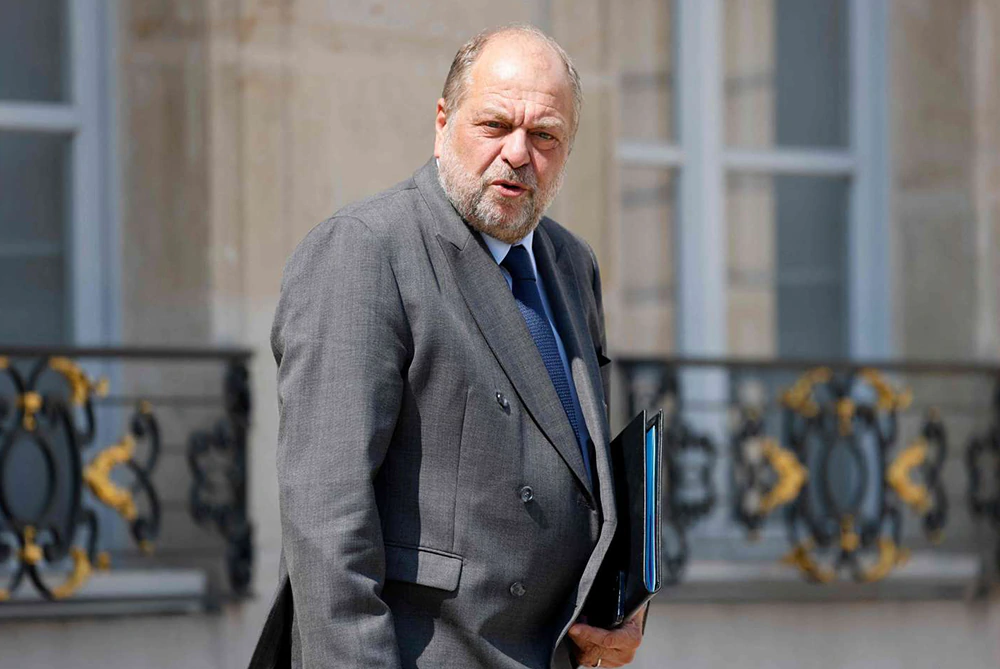
Any use of the provision must also be approved by a judge, while the total duration of the surveillance
And sensitive professions including doctors, journalists, lawyers, judges and MPs would not be legitimate targets.
"We're far away from the totalitarianism of 1984," George Orwell's novel about a society under total surveillance, Dupond-Moretti said.
"People's lives will be saved" by the law, he added.
Pas d’impunité pour les délinquants sur les réseaux.
Que les choses soient claires, s’ils pensent être tranquilles derrière leurs écrans, qu’ils sachent qu’on les retrouvera et qu’on les poursuivra.
Merci au parquet de Créteil pour sa détermination et son action résolue. pic.twitter.com/c1kKqdQ9aF— Eric Dupond-Moretti (@E_DupondM) July 7, 2023
Depuis la loi du 24 aout 2021 que nous avions portée avec mes collègues du ministère de l’Intérieur, révéler des informations personnelles dans le but d’exposer les personnes dépositaires de l’autorité publique est punie de 5 ans de prison et de 75 000 € d'amende.
— Eric Dupond-Moretti (@E_DupondM) July 7, 2023
The move to grant the authorities to tap into people's laptops, cars and other connected objects as well as phones, began in June, when the Senate gave the green light to the provision of the justice bill, which would allow law enforcement to secretly activate sensors on a suspect’s devices.
Since 2015, when terrorist attacks rocked France, the country has increased its surveillance powers.
But since this method involves privacy violation of the next level, this bill is met with backlash from both the left and rights defenders.
According to French digital rights advocacy group, La Quadrature du Net, the provisions "raise serious concerns over infringements of fundamental liberties," and violate the "right to security, right to a private life and to private correspondence" and "the right to come and go freely."
The group called it part of a "slide into heavy-handed security."














































































































































































































































































