
ChatGPT Atlas, OpenAI’s ambitious attempt to create an AI-native web browser, is now no more.
Launched in October 2025 for macOS, it stood out immediately because not only it brought the power of ChatGPT directly into everyday browsing, but also because it embedded ChatGPT as a core part of the experience.
What this means, it lets users ask questions about the page they were viewing, summarize long articles, rewrite text inline, and even trigger an agent mode where the AI could perform actions on websites on the user’s behalf.
The browser came with optional memory features that remembered context from past visits and chats, creating a more personalized and contextual assistant that felt like it traveled with you across the internet.
At the time it generated significant excitement because it represented a vision of the web where AI was no longer something you switched to in a separate tab but something that lived inside your primary tool for navigating online information and completing tasks.
The launch made headlines around the world as a direct challenge to Google Chrome and traditional browsing.
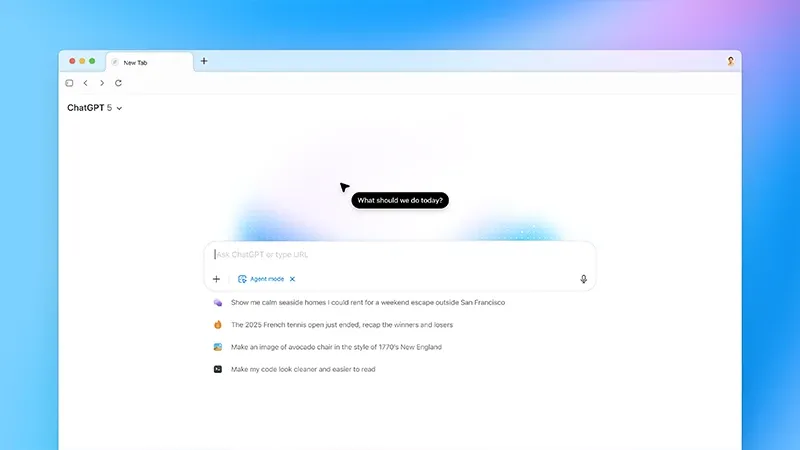
OpenAI positioned Atlas as a rethinking of how people use the web, turning passive scrolling and searching into an active conversation with an intelligent helper that could understand context, compare products on a page, analyze data, or even complete multi-step tasks like researching a trip and booking elements of it.
Coverage highlighted its potential to change search behavior, reduce reliance on traditional links, and push the industry toward more agentic AI experiences.
Many saw it as OpenAI’s move to own more of the user’s digital workflow, especially at a moment when the company was expanding rapidly and AI tools were reshaping how people interacted with information online.
The combination of a full browser engine with powerful agent capabilities felt like a bold step toward the long-promised future of helpful AI that actually gets things done rather than just answering questions.
Despite the initial buzz, Atlas quickly ran into serious problems that made many users and experts question whether it was ready for mainstream use.
Security researchers uncovered multiple vulnerabilities, including prompt injection attacks that could trick the AI agent into performing unintended actions and a notable flaw dubbed "ChatGPT Tainted Memories" that allowed malicious sites to inject instructions into the browser’s memory system.
Reports indicated the browser was significantly more vulnerable to phishing than Chrome or Edge in certain tests, with one analysis claiming users faced up to 90% higher risk.
Privacy concerns also surfaced because the memory and agent features required broader access to browsing history and page content than traditional browsers, raising questions about how much personal data was being collected and how it could be exploited.
Technical issues such as frequent crashes with certain password managers and extensions further frustrated early adopters, and some critics described it as feeling like a standard Chromium browser with an AI layer bolted on rather than a truly reimagined experience.
Others worried about its effect on the open web, noting that heavy reliance on AI summaries could reduce traffic to original websites and publishers.
The decision to shut down the standalone Atlas browser on August 9, 2026, less than a year after its launch, reflects both the lessons OpenAI learned and a pragmatic strategic pivot.
The company has stated that the experience with Atlas helped them understand how agents can improve browsing and web tasks, and they are now folding those capabilities into the main ChatGPT desktop application and a Chrome extension instead.
Rather than asking users to download and switch to an entirely new browser, OpenAI appears to have concluded that delivering the same AI assistance inside tools people already use every day is more effective and sustainable.
Building and maintaining a full-featured browser from scratch proved resource-intensive and difficult to scale across platforms, especially since promised Windows, iOS, and Android versions never fully materialized for most users.
By sunsetting Atlas, OpenAI can focus its engineering efforts on strengthening its core models and agent technology while still giving users AI-powered browsing features without forcing a browser switch.
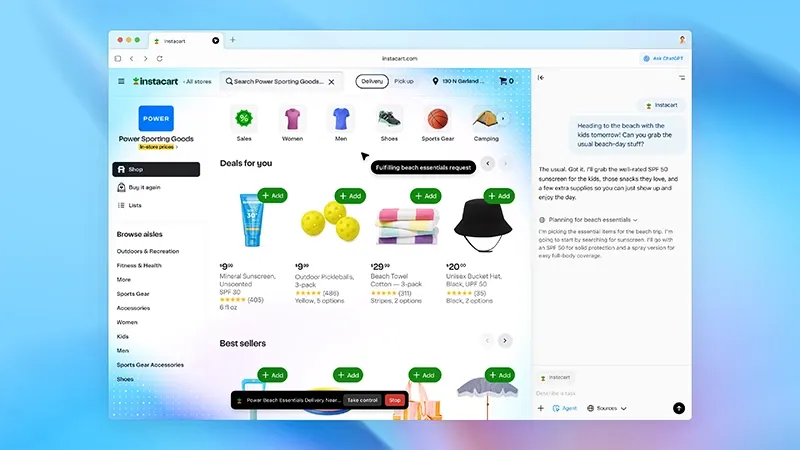
The short life of ChatGPT Atlas carries broader implications for the future of AI-integrated browsing.
On one hand it demonstrated real demand for contextual AI help that travels with users across sites and can take action on their behalf, showing that people are interested in moving beyond simple chat interfaces. On the other hand its challenges highlighted how difficult it is to make agentic AI secure and reliable when it has deep access to the web and user data.
Prompt injection and memory poisoning attacks represent new categories of risk that traditional browser security models were not fully designed to handle.
The episode also underscores the tension between creating convenient AI super-assistants and preserving user privacy, open web access, and choice of tools.
Ultimately OpenAI appears to have decided that the best path forward is not to compete directly in the crowded browser market but to embed its strengths into existing platforms, a move that may prove more practical even if it means the standalone vision of Atlas did not endure.






















































































































































































































































































