Smartphones' SoC (system on a chip) improves by each coming year, as manufacturers make them smaller and more capable. This makes Android an even more versatile operating system, allowing developers to pack an increasing number of features to it.
But maintaining its longevity in terms of privacy and security is difficult.
Traditionally, highend Android phones get at least three years of support, allowing the phones to receive at least three Android major versions before the support ends.
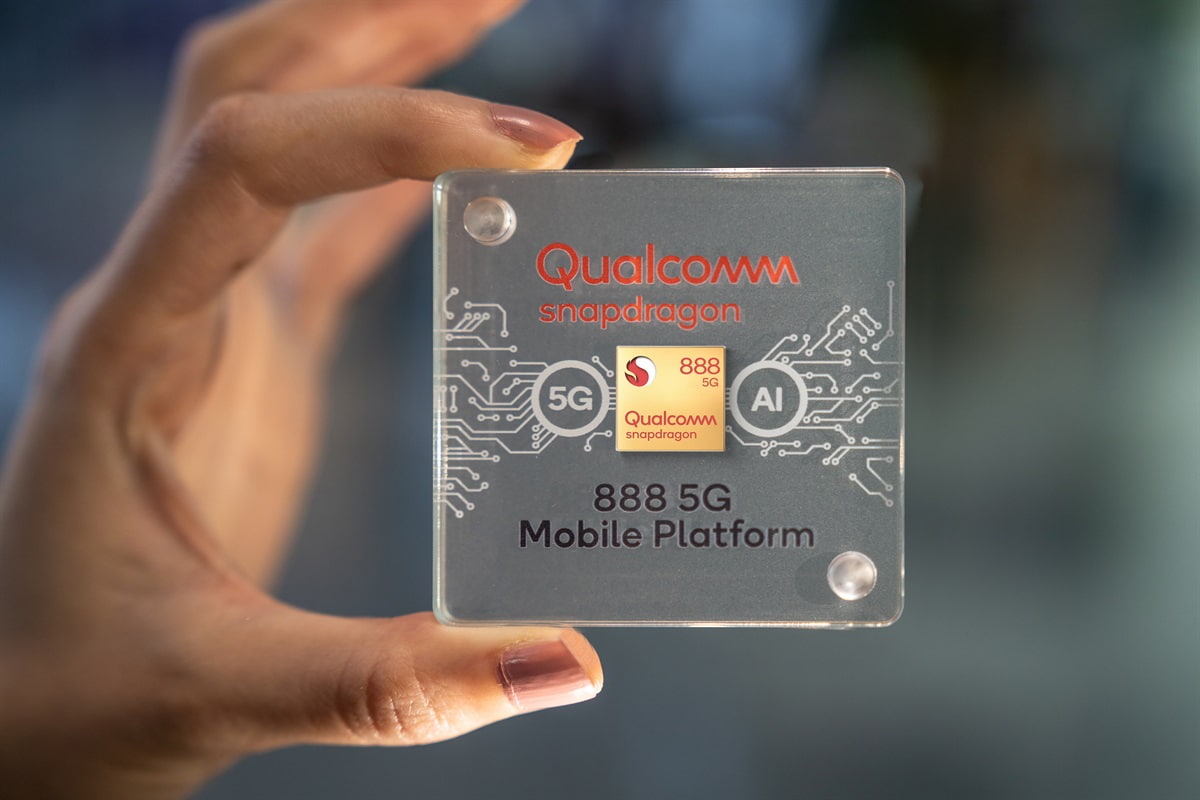
This time, Google has announced that Android phones starting with the ones powered by the upcoming Qualcomm Snapdragon 888 5G Mobile Platform, will support four years of Android system updates instead of the typical two to three that Android phones traditionally offer.
While the actual number of updates that an Android phone supports is up to the manufacturer of that handset, the announcement indicates that newer Android models will have the ability to be updated as many as four times before losing support.
What this means, Android phones are starting to get at least an extra year of OS and security updates.
Android is unlike Apple.
Google typically ends support for Android phones after three years. Apple on the other hand, can continue receiving iOS updates until the hardware can no longer support the software.
In Apple's case, iPhones get an average of five years of support.
Google does develop Android. But its open source nature, and the many manufacturers that use the operating system, are giving Google a hard time in pushing new updates.
And because Android phones use a variety of hardware from different manufacturers and vendors, the abundance makes things even more complex and difficult.
But Google here is trying to add another year of support, to ensure that more Android phones get the updates they need before they need to be replaced.
Extending the number of years that an Android phone can receive an OS update is a sure way to make more people get the latest version of the Android OS, again, if the manufacturers allow them to.

To do this, Google makes use of its Project Treble.
Introduced back in 2017, Project Treble is a way for Google to rearchitect Android by splitting its OS' framework (including all the UI code, APIs, and system processes that apps interact with) from the low-level vendor implementations (including the underlying Linux kernel and hardware abstraction layers, or HALs).
As Google explained in a blog post, when an new Android OS version is released, with Project Treble, Google publishes a generic image from the open-source version of Android that is guaranteed to be backwards-compatible with the prior three versions of vendor implementations.
"This is the primary vehicle for reducing fragmentation within the OS framework," Google said.
"Besides the reuse of a vendor implementation across OS updates, the Treble architecture also facilitates the re-use of the same OS framework code across different vendor implementations."
Since Treble was introduced, Google said that OEMs have adopted the latest Android OS release much more quickly than before.
While Project Treble has helped many OEMs to speed up the delivery of major Android OS updates and monthly security patches, it has had an adverse effect on SoC providers like Qualcomm.
Project Treble has in fact increased the complexity, and thus the engineering costs, associated with providing Android OS update support for any given chipset. Adding to that pain, each new Android release adds support for more hardware features (the newer OS needs to support new features to keep up with the rapid advancements of the mobile industry).
As a result of this design principle, Qualcomm and other SoC vendors had to support multiple combinations of Android OS framework software and vendor implementations.
That limited the length of support that Qualcomm can provide for its SoCs.
By partnering with Qualcomm, Google extends Project Treble’s “no-retroactivity principle” to make sure that it can push new Android updates to as many of its different SoC products and device makers purchasing the company's silicon chips.
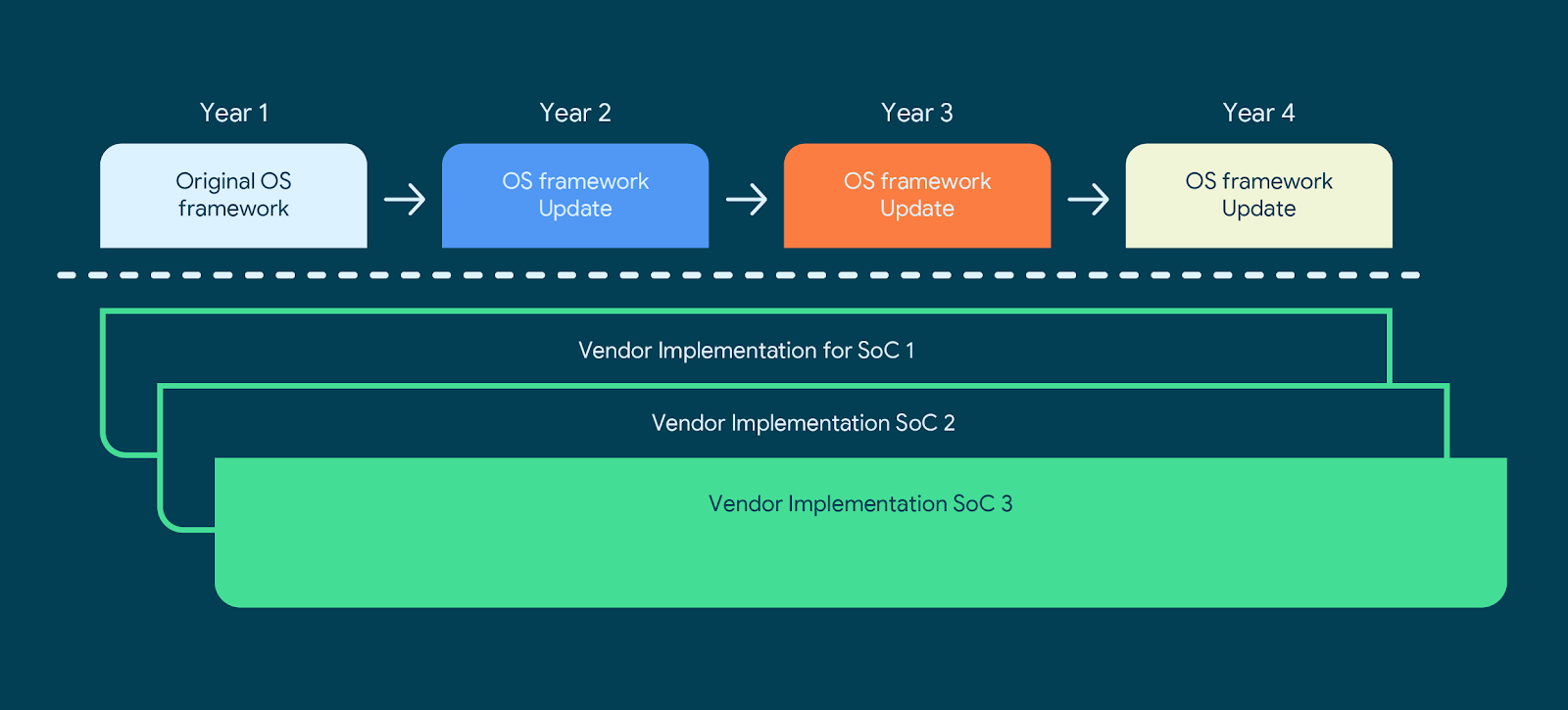
"Going forward, all new Qualcomm mobile platforms that take advantage of the no-retroactivity principle for SoCs will support four Android OS versions and four years of security updates," Google said.
"All Qualcomm customers will be able to take advantage of this stability to further lower both the costs of upgrades as well as launches and can now support their devices for longer periods of time."
The changes will begin with all chips launching on devices running Android 11 and later - starting with the Snapdragon 888.
Related: Google Extends 'Project Treble' With 'Project Mainline' To Push Android Updates Faster




















































































































































































































































































