The internet is invisible in the 'air', in the 'clouds', and travels inside cables to homes, offices and other premises. But when it travels from one country to the next, it travels through cables that have a diameter equivalent to a human thigh.
These cables span across the seas and oceans, and can connect one continent with another, creating clusters of internet regions, which together create the World Wide Web of connectivity.
And this time, the Yemeni Houthi rebels allegedly severed undersea internet cables off the cost of Yemen, causing disruptions in some places.
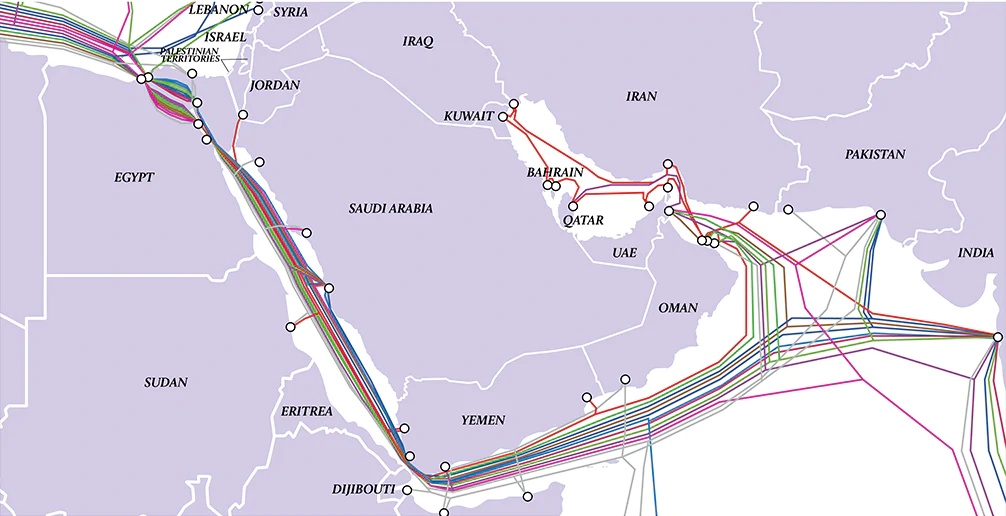
At least 15 subsea internet cables pass through the Red Sea, and the Houthis allegedly severed 4 of the cables belonging to four major telecommunications networks.
They include the Asia-Africa-Europe 1 (AAE-1), TGN Eurasia (TGN-EA), Europe India Gateway (EIG), and Seacom.
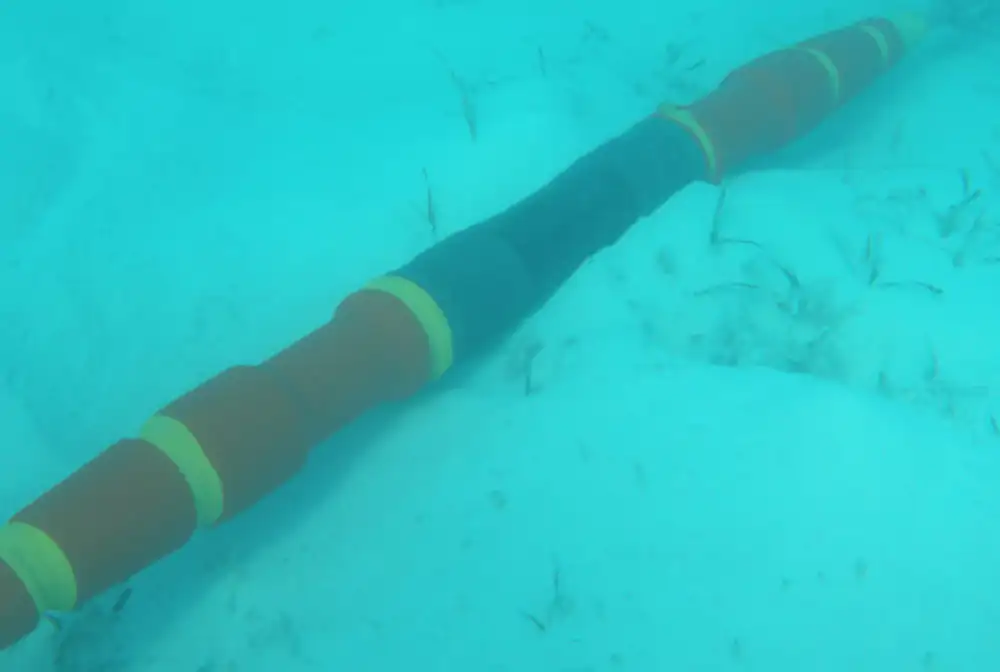
As a result of this, internet access to some places were affected.
The first reports of damage to submarine cables off the coast of Yemen began emerged on Monday morning, with at least one Israeli news outlet claiming that four cables had experienced damage.
The internet access in Djibouti, the African nation on the southern shore of the Bab al-Mandab Strait, experienced a disruption on Sunday and Monday.
Seacom reportedly confirmed damage to a cable it operates on a stretch between Kenya and Egypt.
"The location of the cable break is significant due to its geopolitical sensitivity and ongoing tensions, making it a challenging environment for maintenance and repair operations," Seacom said. "The team is currently working towards restoration timelines and will communicate these plans with our clients."
Some said claimed the damage was "significant, but not critical," because several other undersea cables serve the region.
Seacom has already reassured customers it has re-routed traffic onto other cables.
While the cables do affect some connections and causes outages, some disputed the timing of the incident, pointing out that one of the cables mentioned in coverage of the outages, EIG, has been "down for a few weeks."
Cloudflare, meanwhile, doesn't show any indication of underwater cable damage in the Red Sea on its outages and anomalies page.
In other words, the news came as an allegation.
But still, the Houthis is not entirely out of the equation.
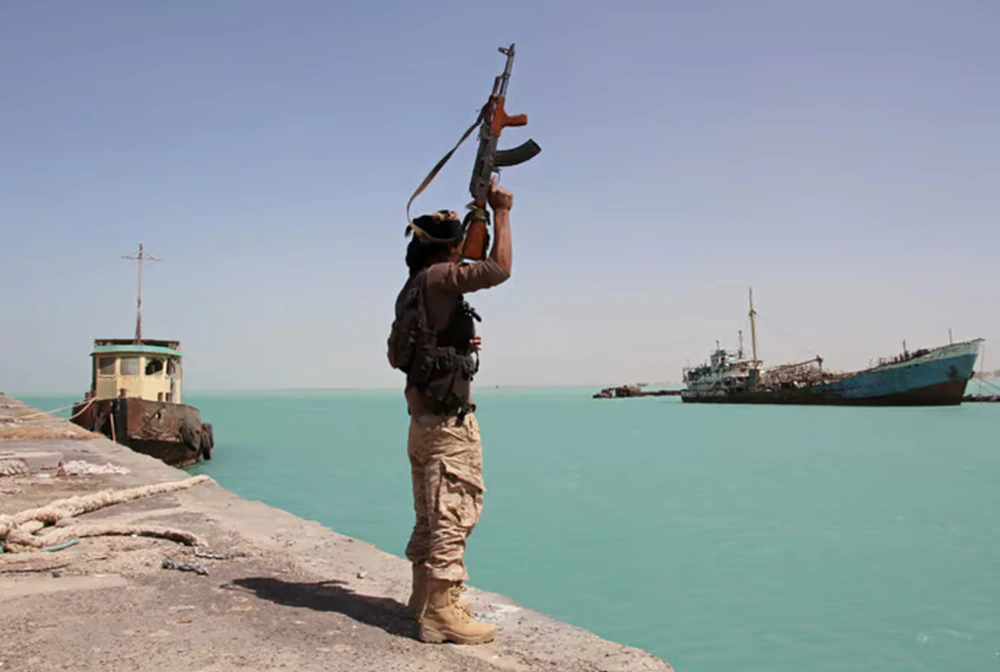
This happened because the Yemeni rebels threatened to damage communications infrastructure late in 2023.
At the Bab al-Mandab Strait at the southern end of Yemen, the body of water is just 26 kilometers wide at some points.
Also, the average depth of the Red Sea is around 490 meters, which isn't too deep.
Some of these lines are also in relatively shallow water, and in within depths of less than 100 meters, where they could be accessible to divers.
But in many other places, the seabed can be as deep as 2,200 meters.
Whether the group could accomplish the feat, reaching it still requires an astonishing feat, especially when considering the ops went unnoticed until the cables were cut.
According to Rear Admiral John Gower, a former Royal Navy submarine commander, it requires someone with submersibles that can locate the cables to do the deed.
For example, exclusive preserve of nations, like Russian and China, are more than capable of reaching the cables and severe them without anyone noticing their operations.
But in this case, the feat could also be accomplished by someone who also have interest in the area.
According to Gower, that someone could be Iran.
At this time, the world has a decent supply of cable repair ships, repairs don't come easy.
First of, these ships tend to be booked well in advance, meaning that finding one that is ready to work can be difficult. Second, cable repairs may not be easy, and depends entirely on the damage, and its location.
And third, most importantly, repairs could also be complicated by regional tensions.
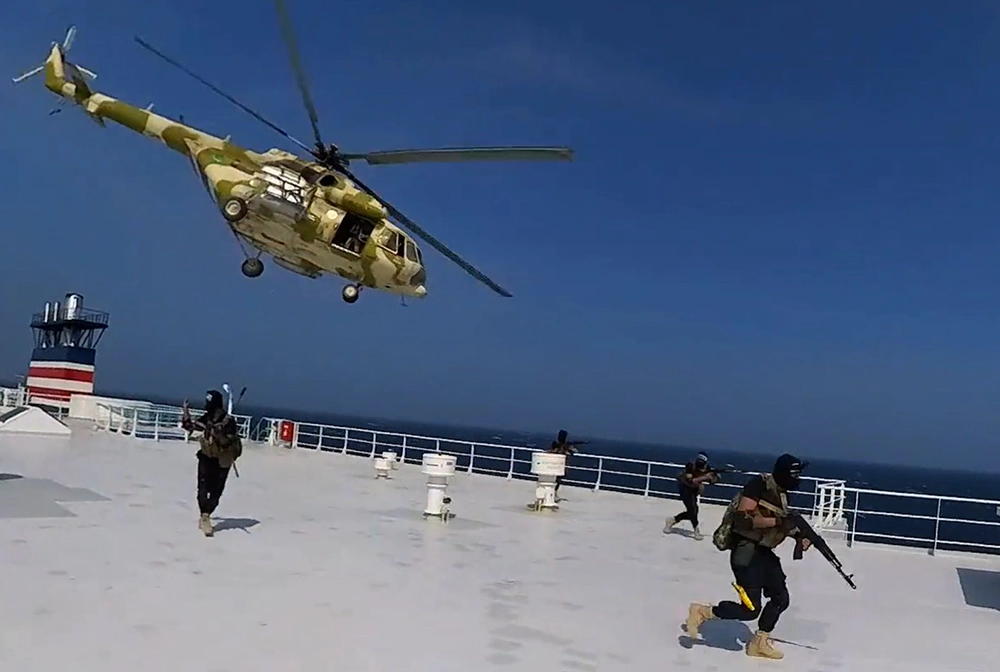
In this case, if the Houthis were responsible, the challenges also include finding a cable repair ship who is willing to operate within range of Houthi ballistic missiles, as well as an insurer who can cover the war risk while the vessel is holding station off Yemen.
It's reported that the Houthis have been attacking ships and military assets in the Red Sea since the invasion of Gaza by the Israel Defense Forces after Hamas's deadly attack.
The Houthis’ actions have been linked to their support for Hamas in the conflict with Israel in the Gaza Strip, and as an ally of Tehran, the Houthis have launched long-range missile and drone attacks against Israel in solidarity with Hamas.
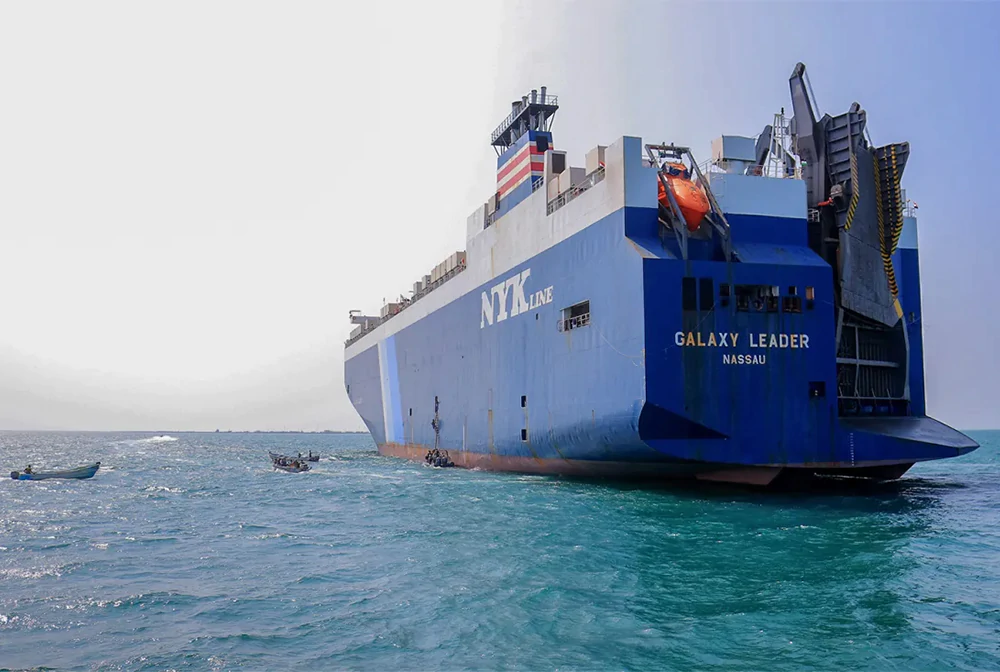
Since then, a number of shipping companies have decided to avoid the Red Sea, and would rather extend shipping time than risking their expensive cargo and assets.
And in response to the delays in shipping, the United States has formed a coalition with other nations to protect ships transiting the Red Sea from the attacks by the Yemen Houthi rebels.

Until 2023, the Red Sea carried about one-eighth of the world's shipping traffic, and that its fiber-optic lines under the seabed handled about 17% of all international data traffic, including trunk lines connecting Europe with India and East Asia.
Due to how important underwater internet cables are in communications, they were often targeted during international conflicts.
A week before this incident, the European Commission (EC) said the security of undersea cables needs to be improved.
The EC, which is part of the executive of the European Union (EU). said that undersea cables are vulnerable and valuable, and asked EU nations to "grant to submarine cable infrastructures the status of the highest possible national significance."
While the internet is pretty much everywhere, and that people use encryption and hide their data behind username and password, they are nothing if connection is just not there.
Undersea cables are considered the most vulnerable part of the internet.






















































































































































































































































































