People often say a picture is worth a thousand words, but sometimes one picture can take over a whole conversation right before a big decision.
Government leaders know this well.
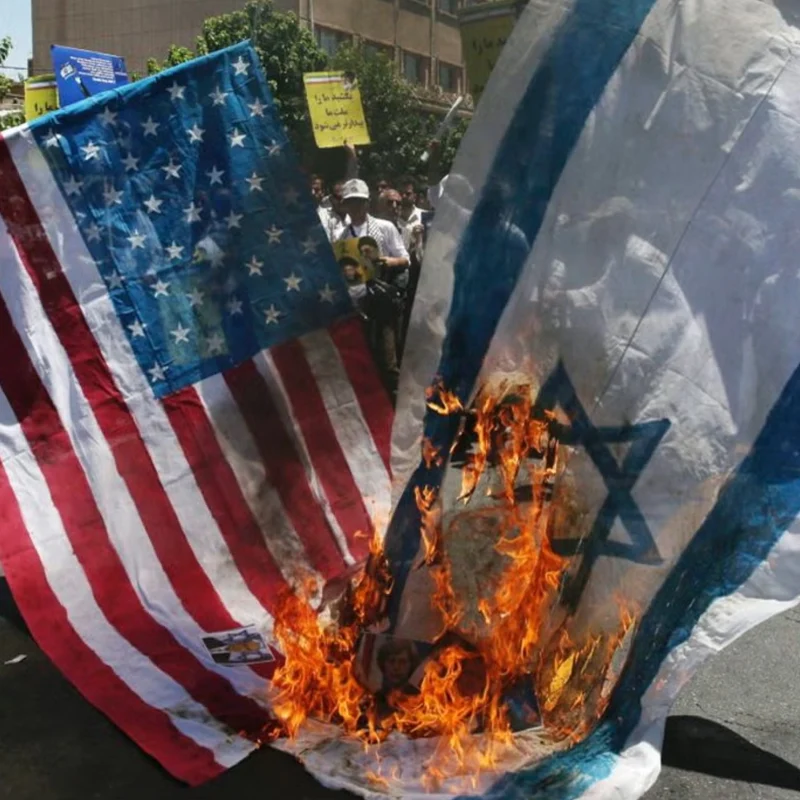
Across the Middle East and beyond, they have long used fear, images of destruction, and appeals to survival to shape how people feel about politics, outsiders, and each other.
Hatred, or the threat of it, becomes a tool that turns ordinary voters into people who see only one danger and one answer.
That is what happened in Israel the day before voters went to the polls.
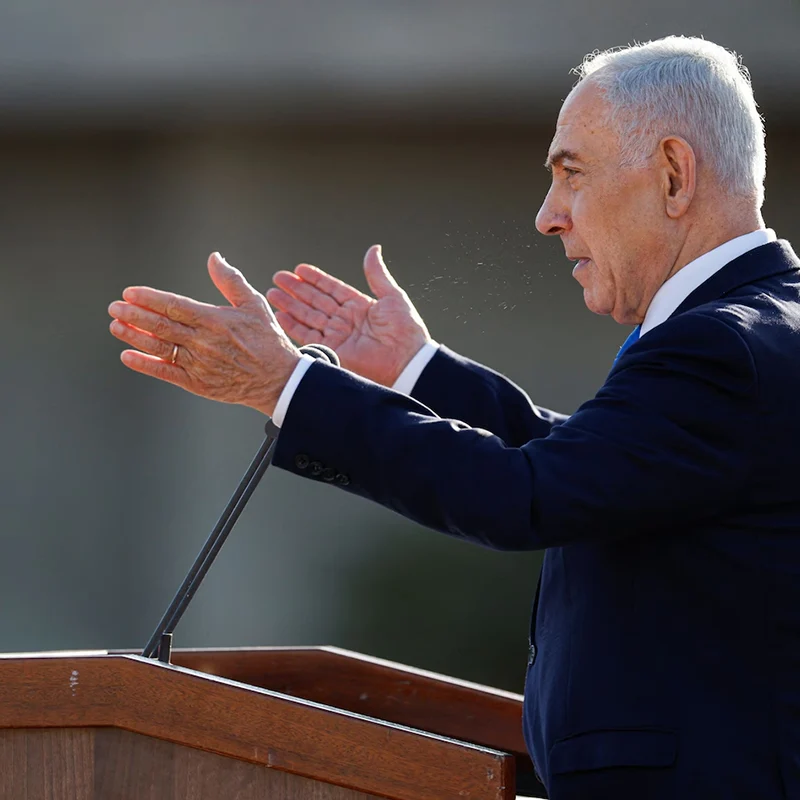
Benjamin Netanyahu, the country's longtime prime minister, posted something on X and Instagram that a lot of people immediately noticed and shared.
The post included an AI-made picture of a huge nuclear mushroom cloud rising over Tel Aviv, with the city looking like it was on fire underneath. Next to the picture was a long warning written by a commentator named Yuval Blumberg.
The message said Israel is in real danger.
If Iran gets a nuclear bomb, nothing else will matter anymore. All the usual political fights, the arguments about Qatar, the ultra-Orthodox community, military service, and various scandals, were called a giant smokescreen.
The only thing that really counts, Netanyahu's post said, is finishing the job against Iran and the groups tied to it.
It pointed out that Donald Trump has about two years left as U.S. president, and after that nobody knows who will be in charge. It might be Kamala Harris or someone like her.
That window of time, the post argued, is when Israel has to act to protect itself.
Future generations would not forgive the country if it missed the chance.
The text also said that hatred of Netanyahu will not stop an Iranian nuclear weapon, and that people who care about their own families should think hard before voting for someone who cannot handle the threat.
It even used the phrase "second Holocaust."
The post spread fast. It picked up millions of views, thousands of likes, shares, and replies.
Israeli and foreign news sites wrote about it within hours. Some people treated it as a serious warning. Others called it fear tactics right before the election. Opposition leaders said Netanyahu was trying to scare voters. A few reports said people in the White House worried that Iran might see the image and think an attack was coming soon, so there were quick statements that nothing was planned that day.
The same post went up on Netanyahu’s Instagram as well, so it reached more people who follow him there.
Netanyahu has talked about the Iranian nuclear threat for many years.
He sees the Islamic government in Iran as a danger to Israel because its leaders have long said they do not accept the Jewish state.
Israel and the U.S. have already carried out strikes that damaged parts of Iran's program, but Netanyahu keeps saying the job is not done and that the regime itself needs to be dealt with.
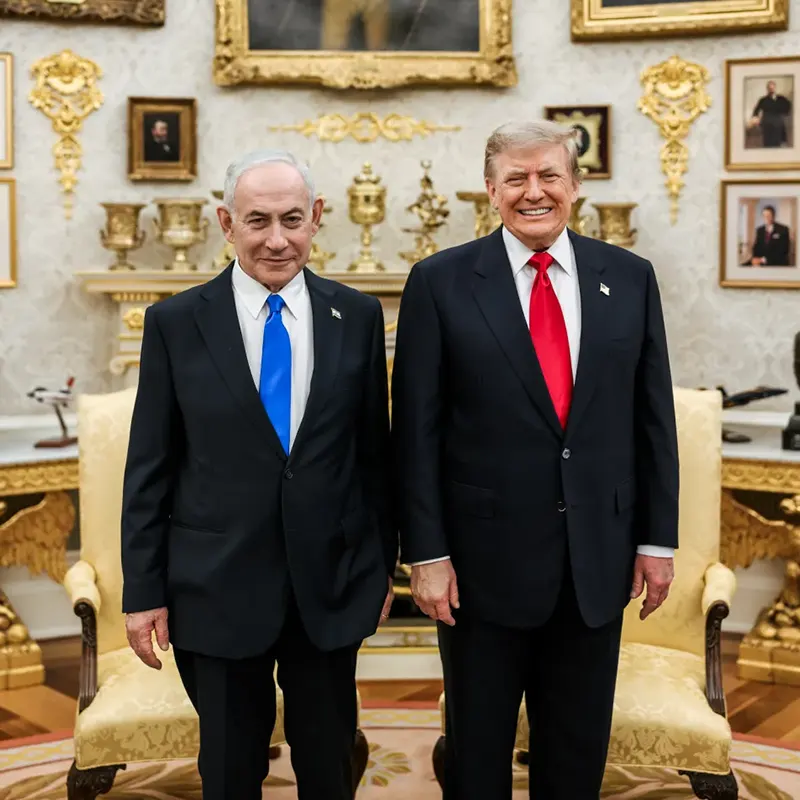
In recent days, he has talked a lot about his close relationship with Trump and about Trump's public support for him in the election. He presents that personal connection as important because a lot of Israel's security planning depends on who is in the White House and how willing that person is to work with him.
Not everyone agrees with the way the post was framed.
Critics point out that Netanyahu has said before that the nuclear threat was already heavily damaged, so the new warning feels like campaign language. They also note that Israeli politics is full of deep divisions over Netanyahu's long time in power, the failures around the October 7 attacks, and the difficulty of building any stable government.
Polls show a close race, and neither side is clearly headed for a majority on its own.
Issues like dependence on religious parties or on American support sit alongside arguments about the courts, the army, and the territories. Calling all of those things a distraction is exactly what opponents say is unfair.
History shows that leaders often reach for the same language when elections grow tight.
They frame rivals as weak, outsiders as existential threats, and any disagreement as a form of hatred that could cost lives. The result is a conversation that narrows until only one choice seems safe.
What made the post stand out was how quickly the combination traveled.
A government leader, an AI picture of his own capital under nuclear attack, language about Jewish survival, Iran, Islamist rule, the U.S. presidency, and political hatred all came together in one package.
Some readers saw a necessary alarm. Others saw election drama.
Either way, the post became something a lot of people looked at, passed along, and argued about. In a region where security fears, leadership fights, and ties to Washington have shaped events for decades, moments like this rarely stay small.
They turn into part of the story people remember when they look back at the election, and they show how often the same methods get used again.






















































































































































































































































































