In today's fast-paced digital era, the line between viral television drama and real-world political debate has become increasingly blurred.
In South Korea, where television culture holds immense influence over public discourse, screenwriting choices frequently spark passionate national conversations. When a show dares to touch upon sensitive national history, a routine weekend broadcast can transform almost overnight into a major cultural and political event.
The latest medical K-drama sensation, Doctor X: Mafia In White, starring Kim Ji-won, recently found itself at the center of such a massive storm.
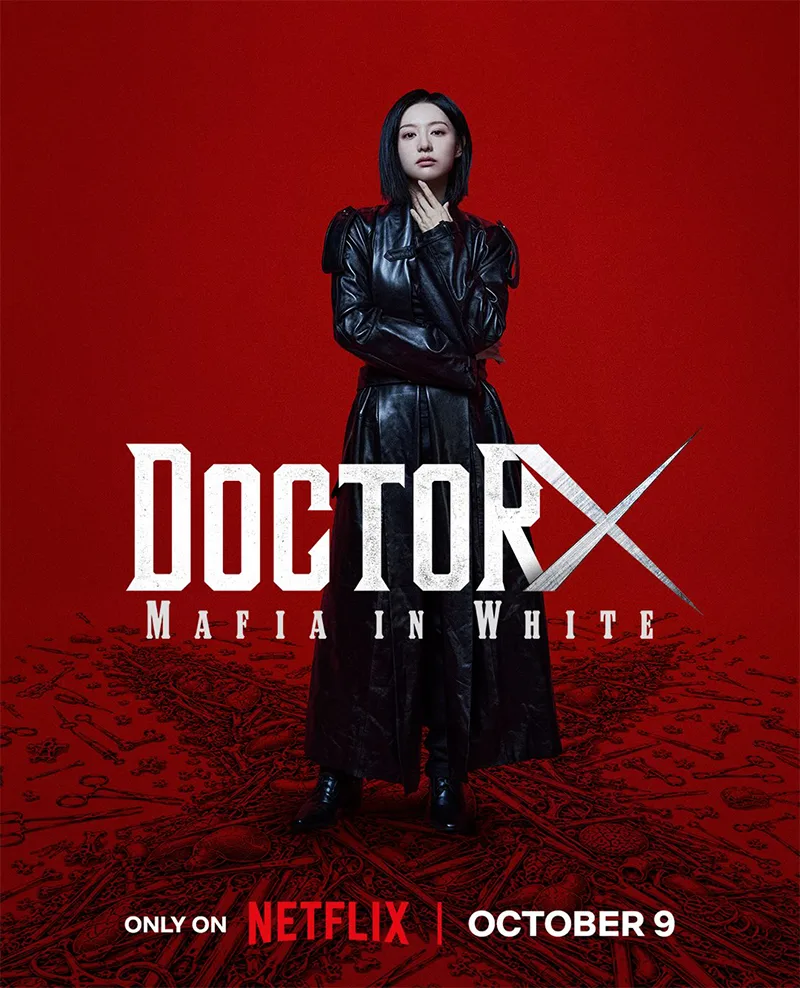
Doctor X is a high-stakes medical drama that delves deep into the gritty intersection of hospital politics, medical ethics, and institutional corruption.
Set against the chaotic Guseo University Seonam Medical Center, a facility constantly battling severe staff shortages and systemic failures, the show follows an elite group of surgeons who push back against corporate greed to put patient care above all else.
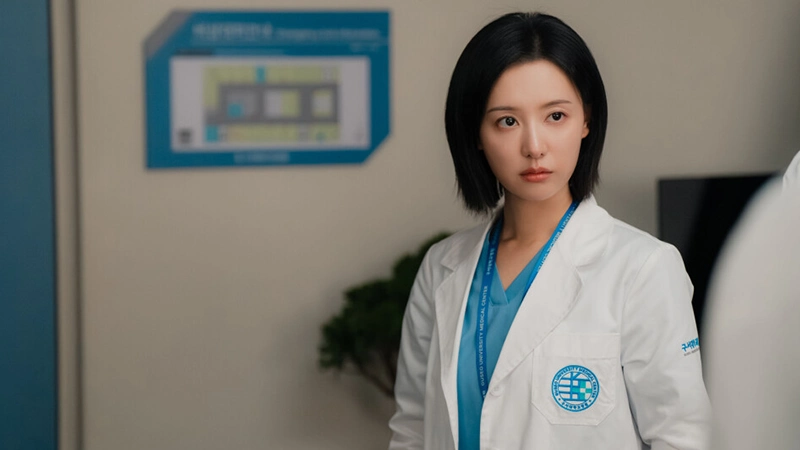
Known for following a fierce, uncompromising surgeon fighting institutional hospital corruption, the SBS series initially captivated audiences with its intense, fast-paced drama.
However, it abruptly shifted gears in its 6th episode, when it explored one of the most painful chapters in modern South Korean history, the May 18 Gwangju Democratic Uprising of 1980.
The immediate catalyst for the uproar was a high-stakes storyline following an aging patient named Oh Sang-beom, who had lived for 46 years with a bullet fragment lodged in his brain after being shot during the 1980 military crackdown.
This sudden pivot ignited intense controversy across the nation, proving once again how volatile historical trauma can be when brought into fictional prime-time entertainment.

While the narrative intended to highlight the enduring physical and psychological scars of survivor's guilt, chronic seizures, and trauma, it also incorporated heavily evocative elements.
These included a fictional former president named Ji Du-seok whose character closely mirrored historical military figures, references to helicopter gunfire, and visual motifs like Bus No. 518.
These inclusions sharply divided viewers.
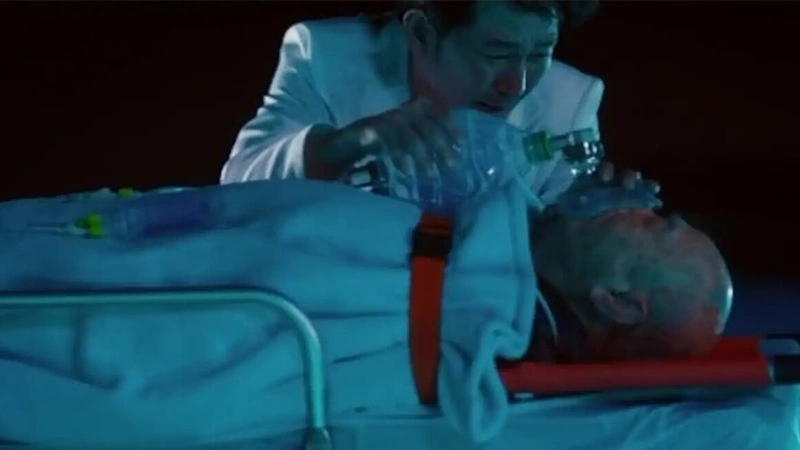
Supporters praised the show for keeping the memory of the tragedy alive and portraying generational trauma, but critics argued that integrating such sensitive political material into a medical procedural was inappropriate and unnecessarily polarizing.
The backlash quickly escalated from online community boards into official political channels.
A formal citizen petition was filed before South Korea's National Assembly on its online e-petitions platform, demanding that the broadcast of Doctor X be immediately halted and that the production process be thoroughly investigated.

However, the attempts to suppress the show, the mounting calls for boycotts, attacks on the lead actors, and accusations of political bias produced an unexpected outcome.
Driven by the sheer volume of online discourse, public curiosity skyrocketed, capturing the attention of millions who previously did not even know the drama's title or care about the historical events it depicted.
As the National Assembly petition gathered the thousands of endorsements needed for official legislative review, the drama dominated headlines and trended across major social media platforms and news portals.
The escalating campaign against the show ignited a passionate counter-response.
Online spaces quickly transformed into a battleground between critics who accused the creators of pushing an ideological agenda and defenders who championed artistic freedom and praised the depiction of long-overlooked historical victims.
The studio only added fuel to the fire when a key production staff member shared the show's poster online with the caption no fear, turning a media dispute into a full-scale cultural standoff between the creators and disgruntled viewers.

Paradoxically, the aggressive attempt to ban the broadcast became its greatest promotional asset.
Rather than driving audiences away, the fierce controversy transformed the upcoming broadcast into a must-watch national event, prompting curious viewers from all walks of life to tune in just to see what had sparked such outrage.
According to Nielsen Korea, this massive influx of viewers pushed the 6th episode to a record-breaking nationwide household rating of 19.5%, peaking at an extraordinary 21.3%.
This milestone completely outpaced competing major releases in the same time slot, including Kim Yoo-jung's 100 Days of Lies and Ahn Hyo-seop's Final Table, firmly establishing Doctor X as the most dominant prime-time series of the year.
By trying to censor the drama through formal political petitions, critics unintentionally handed it the highest ratings of the season and cemented its status as an undeniable cultural phenomenon.






















































































































































































































































































