The inevitable has come—and this time, it arrives on Netflix.
It all started with ChatGPT from OpenAI, a breakthrough moment that made artificial intelligence feel conversational, creative, and immediately useful. Suddenly, text-based generative content became astonishingly fluid, opening doors for everything from writing code to crafting poetry.
Since then, companies across the tech world have embraced generative AI at lightning speed. It’s been used to enhance creative workflows, streamline design, and power intelligent interfaces in search, personalization, and beyond.
Now, the world is watching that adoption move beyond text.
Creatives, storytellers, coders, artists, and executives are weaving AI into their workflows—not to replace human ingenuity, but to amplify it. Pre‑visualization tools help film crews imagine scenes faster. De‑aging in post‑production is lighter, quicker, and cheaper. In short, AI is becoming a co‑pilot, reshaping how stories are imagined, built, and shared.
This time, Netflix confesses that it has just marked a significant turning point in this journey.
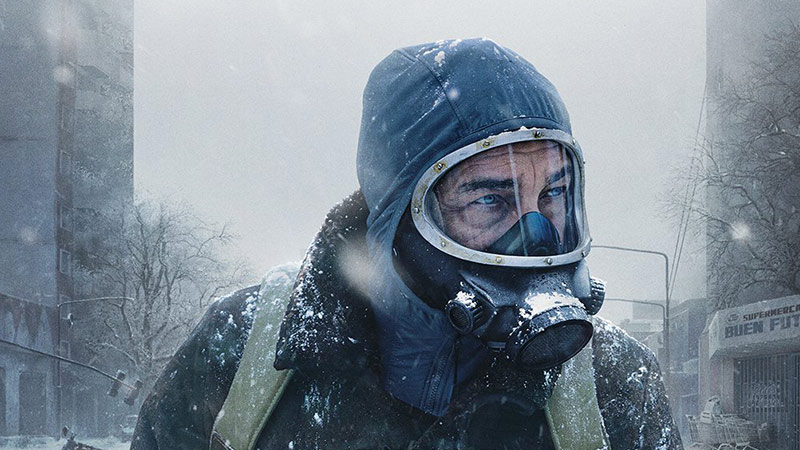
During the company’s Q2 earnings call, co-CEO Ted Sarandos revealed that El Eternauta, the Argentine sci‑fi thriller released on April 30, features the first-ever use of generative AI final footage in a Netflix original.
A dramatic building collapse in Buenos Aires was created entirely using AI-powered visual effects, bypassing traditional VFX studios.
“The cost of [the special effects without AI] just wouldn’t have been feasible for a show in that budget,” Sarandos said. “The creators were thrilled. We were thrilled. And the audience was thrilled.”
He described AI as “an incredible opportunity to help creators make films and series better, not just cheaper.”
In other words, Netflix has officially embraced AI—not as a novelty, but as a creative and logistical asset.
What this means for the broader tech and entertainment world is profound. AI-powered visual effects are now far more accessible, enabling filmmakers—especially those with limited budgets—to achieve cinematic-quality scenes. Netflix is already expanding its AI initiatives across the platform, including personalization features, AI-driven recommendations, and interactive advertising tools.
Netflix’s use of generative AI in El Eternauta is not a one-off gimmick—it signals a shift.
High-end visuals, faster turnarounds, and leaner production costs are no longer reserved for blockbuster studios. For creators and audiences alike, stories can now stretch further. The once rigid “no AI allowed” stance is being replaced with something more collaborative: a blend of human artistry and machine assistance.
In effect, Netflix has opened a new door. Behind it lies a future where AI tools help storytellers reach new heights—without sacrificing the human touch. It’s safe to say that the art of storytelling just gained an AI co-pilot—and the view is thrilling.
Still, this innovation is not without its critics.
While generative AI allows mid-budget and international productions to achieve more with less, many worry about its long-term impact on creative jobs. The Hollywood strikes of 2023 made clear the fear that AI could displace artists. Netflix, however, insists that AI remains under human control—enhancing, not replacing, the work of professionals.
“This is real people doing real work with better tools,” Sarandos emphasized. “Our creators are already seeing the benefits in production through pre-visualization, shot planning, and visual effects. I think these tools are helping creators expand the possibilities of storytelling on screen, and that is endlessly exciting.”
AI, in this vision, is not a threat—but a powerful new companion to human creativity.
Así se hicieron los efectos visuales de una de las escenas más impactantes de El Eternauta (sí, la de la iglesia). pic.twitter.com/W0yrXuTxIM
— CheNetflix (@CheNetflix) May 9, 2025
El Eternauta, also known internationally as 'The Eternaut,' follows Juan Salvo and a group of unlikely survivors as they struggle to endure a terrifying, otherworldly snowfall.
Based on the groundbreaking Argentine science fiction comic from the 1950s by Héctor Germán Oesterheld, with illustrations by Francisco Solano López, is about a sudden and deadly snowstorm that descends on Buenos Aires, silently erasing the population. Those who remain—Salvo among them—must adapt quickly, sealing themselves indoors, scavenging for supplies, and fighting to stay alive.
But the snow is only the beginning.
What starts as a bizarre natural disaster soon reveals itself as the opening act of an alien invasion.
In this Metro-esque post-apocalyptic setting, survival demands unity, courage, and sacrifice.
Netflix’s adaptation of the comic, directed by Bruno Stagnaro, brings this vision to life with striking effect.
And the AI was used in one standout moment: The scene was completed ten times faster than through traditional VFX workflows. With a modest $15 million budget, the result is a haunting spectacle of efficiency meeting imagination.
The company’s internal innovation group, Eyeline Studios (Netflix’s in‑house VFX unit), collaborated with El Eternauta’s creative team to generate and integrate the collapsing‑building visuals using AI prompts.
Those outputs were then composited with real filmed scenes to produce a seamless effect.
But this isn’t just about visuals. Netflix is increasingly weaving AI into its core infrastructure. Co-CEO Greg Peters revealed that generative AI is being leveraged not only in production but also across personalization, search, and advertising. The company plans to roll out AI-powered interactive ads in the latter half of the year, signaling a broader evolution in how content is both created and consumed.
And if El Eternauta is any indication… this storm is only just beginning.






















































































































































































































































































