In a transparency report which is an annual set of surveillance-related statistics issued by the Office of the Director of National Intelligence, the U.S. National Security Agency (NSA) has revealed a huge increase in the amount of data collected: from about 151 million call records and text messages in 2016 to more than 530 million in 2017.
The report also shows numerous other fluctuations in the volume of surveillance conducted.
For example, Foreign surveillance-related, warrantless Section 702 content queries involving U.S. persons increased from 5,288 to 7,512. Search terms have also increased from 22,360 to 31,196.
While NSA had less targets in 2017 (40 targets) than it had in 2016 (42 targets), more citizens were "unmasked" indicates a general increase in quantity.

The report did not explain why the number of records increased so dramatically, but it was said that a a variety of factors might have contributed to the increase.
This includes the change in the amount of historical data companies are choosing to keep, the number of phone accounts used by each target and changes to how the telecommunications industry creates records based on constantly shifting technology and practices.
Officials have also said that some records gathered by the NSA are duplicates.
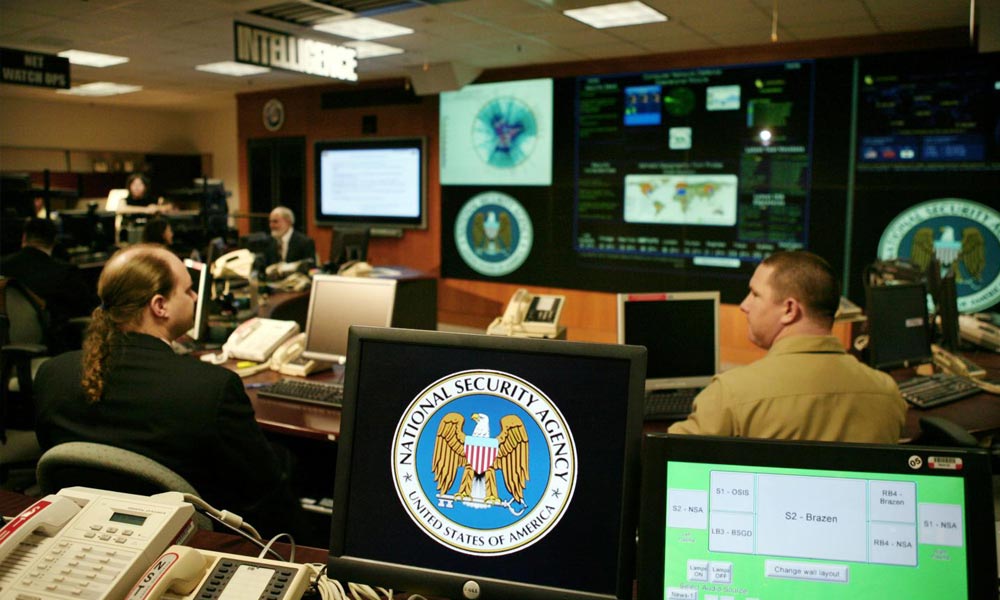
Data that NSA collected from American telecommunications providers like AT&T and Verizon, among others, include which numbers people were calling and when, the duration of the call and so on. According to the NSA, it only collected metadata without any content.
This program can be traced back to the aftermath of the September 11 terrorist attacks in 2001, which was then revealed in 2013 by leaks from Edward Snowden, the former intelligence contractor.
The Congress ended the original surveillance program, but the lawmakers still wanted the NSA to retain its ability to analyze connections between people in search of hidden associates of terrorism suspects. So here, another program was created in which most records stay with the phone companies, but NSA has the rights to get copies if they want to.
The system requires the Foreign Intelligence Surveillance Court to agree that there is "reasonable, articulable suspicion" that the a target is linked to terrorism act.