Bulgarian authorities have launched a major criminal investigation into a shocking scandal where hundreds of women were secretly filmed during their vists at beauty salons.
This happens because the footage and the imageries are distributed without consent on numerous pornographic websites and Telegram groups. The violations primarily involve using hidden cameras to capture the women, often fully naked, while undergoing laser hair removal and similar treatments, with some recordings dating back to 2023 and continuing into recent months.
The epicenter of the case is the Black Sea city of Burgas, where prosecutor Maria Markova has confirmed more than 100 complaints filed with police alone.
At least two beauty salons in Burgas: one in the city center and another in the Meden Rudnik district, have been implicated, along with one in Kazanlak, and inspections are now expanding to salons across the country.
Authorities have seized technical devices linked to the activity during searches.
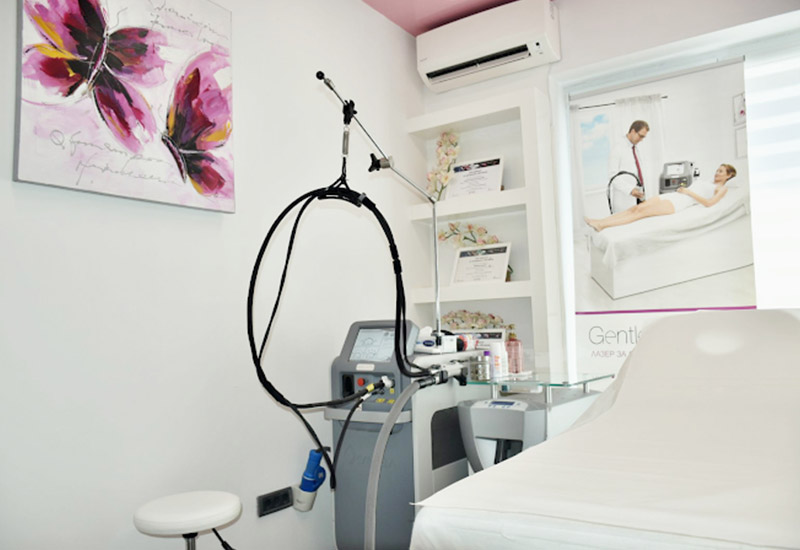
In response the salon owners have denied responsibility, with one studio claiming that any unauthorized cameras were discovered and removed promptly after detection, stating, "Unfortunately, we have received information that four photos taken in October 2023 in one of our first studios in Kazanlak are available online. The photos were taken by an unauthorised camera, which was discovered and removed immediately after the studio opened."
Zlatina Simeonova, owner of the Burgas-based “Tiffany” laser and aesthetic center, uploaded a video to the salon's Facebook page, dismissed the negative media coverage in what she called a "yellow media."
The impact on victims has been profound and deeply personal.
One woman told Bulgarian NOVA TV, "First, I recognised my friends and relatives, because quite a few of us visit this salon, myself included, since 2020. And when I saw a familiar face, I started looking with interest to see if I would see anyone else I knew, and myself, of course. It's disgusting, humiliating, you feel like you've been used."
She added, "The worst part is that I know someone else might recognise me."
Another victim shared, "These photos were sent to me by friends of mine who are in that group. I feel terrible, disgusted, revolted."
A third emphasized the betrayal of trust: "We entrust our bodies to this salon for procedures that cost a considerable amount of money, and we expect a certain level of confidentiality, but they secretly film us."
Among the most alarming details is the inclusion of minors, with prosecutors confirming victims as young as 15 to 17 years old; some reports even mention footage involving a nine-year-old girl.
And not just that, because the victims also include prominent individuals, like public figures, a judge, a prosecutor, journalists, daughters of a regional governor, and a police officer.
Footage has appeared on more than 10 paid pornographic platforms, with suggestions that some sessions may have been livestreamed for paying viewers using cryptocurrency.
Lawyer Rosen Diev, representing victims, highlighted the scale of potential profits: "I assume these clips of various people have been watched tens or hundreds of thousands of times. Everyone can do the basic math — if they are paid 30 euros, what amounts are involved in this illegal activity that the guilty parties have accumulated."
Prosecutor's spokesperson Shtelian Dimitrov confirmed that the material includes explicit scenes shared on platforms like Telegram and Facebook.
He explained that the ongoing probe aims to uncover "the mechanism by which the criminal activity was carried out, meaning who had access to the recorded video footage — whether regulated or not, who distributed the materials, and on which websites they were published." Since many hosting sites are abroad, Bulgarian investigators plan to seek assistance from Interpol and the FBI to remove the content and pursue further leads.
The scandal has extended beyond beauty salons, with Bulgarian media receiving tips about similar secret filming in a gynaecological clinic in Sofia.
Clips viewed by outlets show women during medical examinations, captured by a camera positioned in a corner of the examination room. Separate pre-trial proceedings have been initiated in Sofia related to these incidents.
Under Bulgarian law, the unauthorized distribution of pornographic material carries penalties of up to one year in prison and fines ranging from €500 to €1,500, with significantly harsher consequences when minors are involved.
The case has reignited debates about privacy expectations in private settings, data protection under EU rules, and the need for clearer regulations on surveillance in such intimate environments. Despite the revelations and ongoing inspections, many of the implicated salons have continued operating, leaving victims to grapple with lasting humiliation and the fear of perpetual online exposure.
This disturbing pattern echoes a long-standing and deeply entrenched issue in South Korea, where secret filming, also known locally as "molka" (a contraction of "mollae kamera", meaning hidden camera), has plagued women for years and is often described as an epidemic.
In South Korea, tiny spy cameras are frequently hidden in public bathrooms, hotel rooms, changing rooms, gyms, motels, and other spaces where women expect privacy, capturing intimate or nude moments without consent. The footage is then distributed online, often sold on websites or shared via encrypted apps like Telegram for profit, turning private violations into commodified content.
The similarities to the Bulgarian case are striking: both involve hidden cameras in semi-private, trust-based settings: beauty salons and medical clinics in Bulgaria, versus bathrooms, spas, hotels, and sometimes medical or quarantine facilities in South Korea, and that they both target women during vulnerable, often undressed moments.
In both countries, perpetrators exploit technology for voyeuristic gain, distributing explicit material online for financial profit or gratification, sometimes livestreaming it. Victims face profound trauma, betrayal of trust, and the terror of irreversible online dissemination, with footage potentially viewed by thousands. Minors have been affected in instances from both nations, amplifying the severity and legal repercussions.
Read: How 'Molka' Voyeurism Through Spy Cameras Has Become 'A Part Of Daily Life' In South Korea

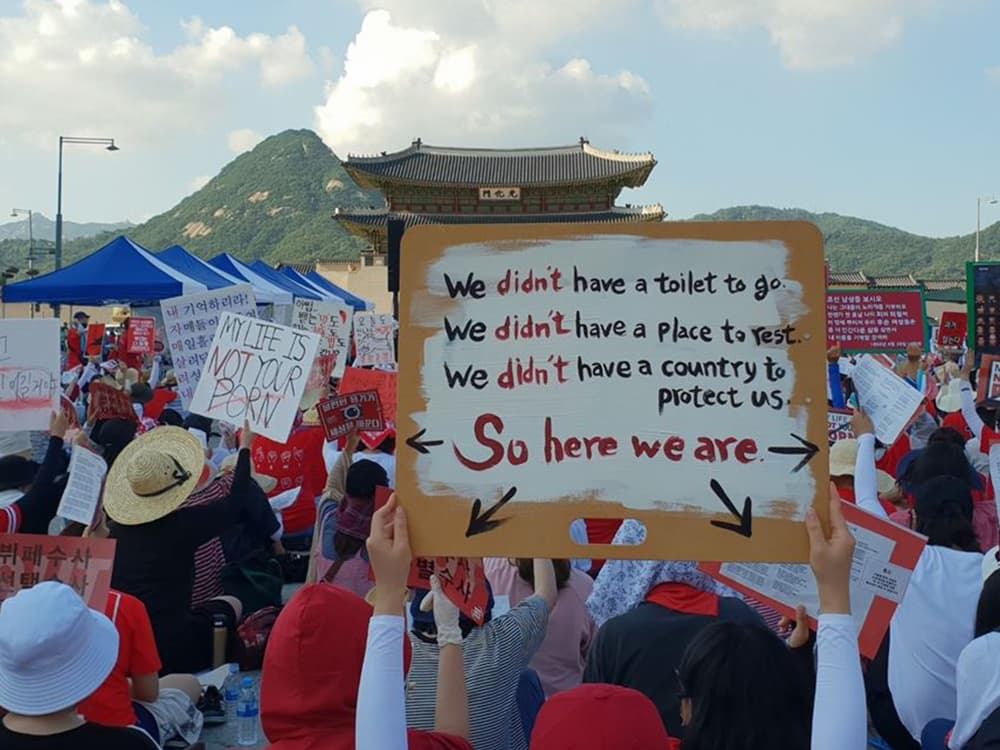
In South Korea, the molka crisis has fueled massive protests, including tens of thousands of women marching in Seoul under slogans like "My life is not your porn," and it has intersected with broader digital sex crime scandals such as the Nth Room case on Telegram. Women have taken to inspecting stalls with mirrors or emergency kits, covering suspicious holes, or avoiding certain spaces altogether out of fear. Despite government efforts like dedicated inspection teams in public areas and harsher penalties, enforcement remains inconsistent, with low conviction rates and persistent recurrence.
The Bulgarian scandal serves as a sobering reminder that such violations are not isolated to one culture or region but reflect a global challenge of technology-enabled gender-based abuse in intimate environments.
As hidden cameras become cheaper and more discreet, and distribution platforms harder to police internationally, these cases highlight the urgent need for stronger preventive measures, swift content removal, victim support, and international cooperation to dismantle the networks profiting from non-consensual intimate imagery.




















































































































































































































































































