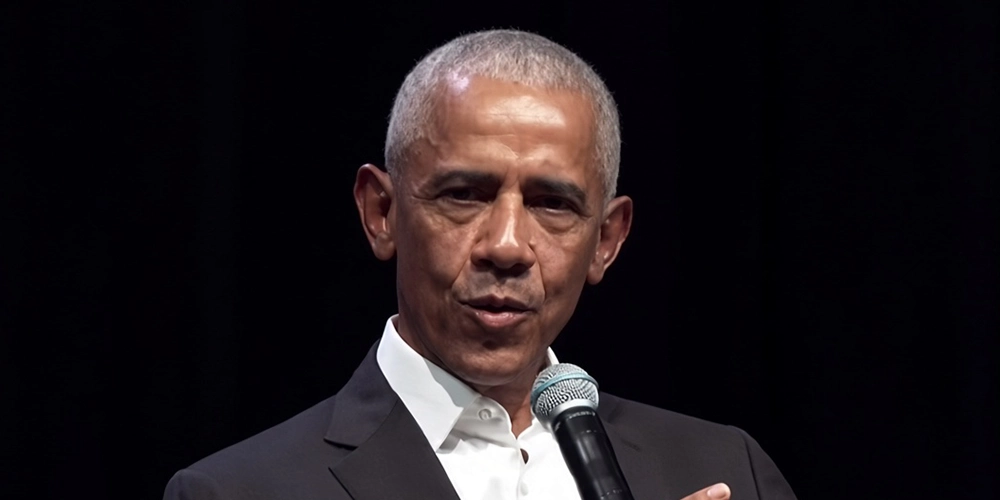
The cover of TIME magazine has long been a cultural touchstone in American life, tracking the most important people, trends, and historical events since 1923.
This week the magazine unveiled its 2026 TIME100 AI issue, a collection that attempts to name the 100 most influential figures shaping AI at a moment when the technology is moving from research labs into nearly every corner of daily life.
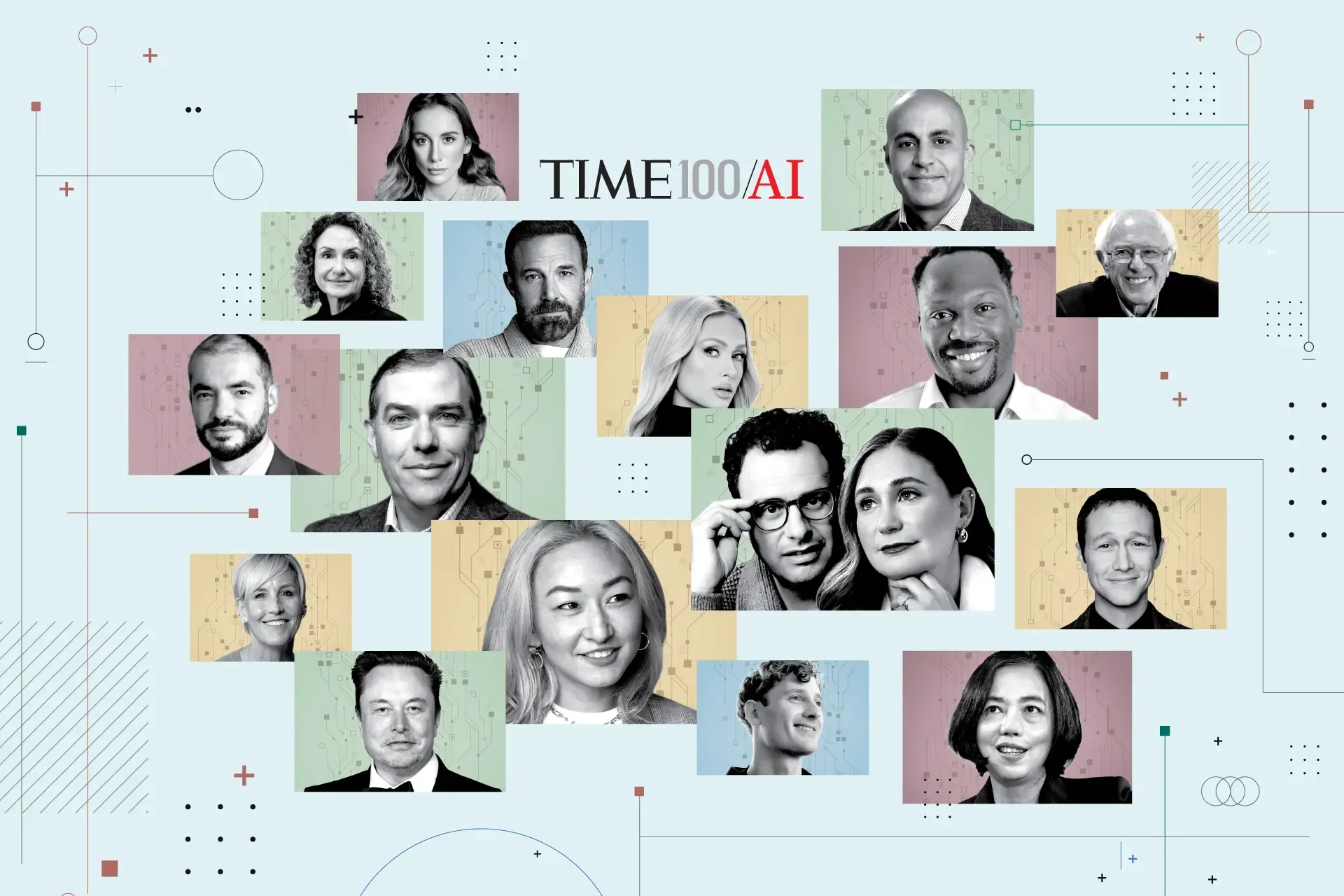
The September 7 cover itself is a crowded collage of faces, mixing the expected power players like Elon Musk, Sam Altman, Jeff Bezos and Larry Ellison with names that stop many readers mid-scroll.
Among the most unexpected are Paris Hilton and Joseph Gordon-Levitt, two figures whose presence on an AI list has already generated more conversation than some of the billionaire founders surrounding them.
TIME100 is an annual ranking from American magazine TIME that highlights 100 people considered to have had a significant influence on the world.
The list began in 1999 following discussions among academics, politicians, and journalists, and has since grown into one of the magazine's most widely recognized annual features.
Being selected is generally viewed as a distinction, although TIME's definition of influence is not necessarily tied to whether that influence is positive or negative. Like its Person of the Year selection, the TIME100 is intended to recognize people who have meaningfully shaped events, culture, industries, or public life, regardless of the consequences of their actions.
And Paris Hilton made it into the cover of TIME magazine for one major reason: she is one of the most vocal about her high-profile campaign against non-consensual AI-generated sexual imagery.
She has described herself as the target of more than 10,000 deepfake videos and images and has spent the past year pressing Congress to pass the DEFIANCE Act, bipartisan legislation that would give victims a clearer path to sue the people who create and distribute that material.
She has appeared at the Capitol alongside lawmakers from both parties, turning her own experience into a public argument that legal protections must keep pace with tools that can now fabricate explicit content from a single photograph.
At the same time she has partnered with Google as Android’s first "icon in residence," using Gemini to build a simple productivity app in a few prompts, an experiment the company presented as proof that AI can turn ideas into working software without any coding background.
TIME appears to have judged that combination of personal advocacy and public demonstration as a form of influence that reaches far beyond Silicon Valley.
Gordon-Levitt occupies a different lane.
The actor co-founded the Creators Coalition on AI in late 2025 with Natasha Lyonne and Daniel Kwan, assembling a group of Hollywood names that includes Ben Affleck, Cate Blanchett and Margot Robbie.
The coalition's stated goal is to give working artists a seat at the table as studios and platforms negotiate how generative models use copyrighted work, how performers are compensated, and how deepfake likenesses are regulated.
Gordon-Levitt has also been named the United Nations' first global advocate for human-centric digital governance, a role that puts him in conversation with policymakers who are still writing the rules for the technology.
He has framed his contribution as that of a storyteller rather than an engineer, someone trying to make the economic and cultural consequences of AI understandable to people who will live with them.
TIME placed him in the Shapers category, grouping him with labor leaders and investors who are trying to steer the technology’s impact rather than simply build the next model.
The surprise of seeing a hotel heiress and a former child actor on the same cover as the heads of OpenAI and Anthropic is part of the point.
The TIME magazine cover features:
- Elon Musk — CEO, SpaceX (and xAI)
- Sam Altman — CEO, OpenAI
- Dario Amodei — Co-founder and CEO, Anthropic
- Jeff Bezos — Founder, Amazon; Co-founder and Co-CEO, Prometheus
- Larry Ellison — Co-founder, CTO, and Executive Chairman, Oracle
- Ilya Sutskever — Co-founder, Safe Superintelligence
- Fei-Fei Li — CEO, World Labs
- Mira Murati — CEO, Thinking Machines Lab
- Eddie Wu — CEO, Alibaba
- Arvind Krishna — CEO and Chairman, IBM
- David Sacks — AI and crypto adviser to the Trump administration
- Lila Ibrahim — Chief AI Readiness Officer, Google DeepMind
- Doreen Bogdan-Martin — Secretary-General, UN International Telecommunication Union
- Marian Croak — VP, Responsible AI, Google
- Joseph Gordon-Levitt — Co-founder, Creators Coalition on AI
- Liz Shuler — President, AFL-CIO
- Paris Hilton — Deepfake-advocacy campaigner and public face of the DEFIANCE Act effort
TIME's editors have spent three years arguing that influence in AI is no longer confined to the people writing the code or raising the capital, or self-made billionaires, or tech-savvy individuals.
For example, the 2026 list includes union presidents, UN officials, newspaper publishers and film stars because the magazine believes the story of the past 12 months has been as much about pushback, regulation and cultural fallout as it has been about new model releases.
In other words, the 2026 TIME100 AI issue ultimately reflects a broader shift in how influence is being measured.
AI is no longer something shaped exclusively by the people building models or financing the companies behind them. Its direction is increasingly being contested by artists, workers, policymakers, advocates, and public figures whose lives and industries are being changed by the technology.
By putting those voices alongside the executives and researchers driving the AI race, TIME is making a case that the people shaping AI are not only the ones creating it, but also those deciding what its place in society should be.