Food has always been far more than mere sustenance; it is a deeply ingrained language of identity, heritage, and pride.
Across the globe, culinary traditions are defended with a fierce, almost religious loyalty, turning minor regional variations into matters of profound honor. When people migrate across borders, they pack more than just clothes and photographs in their suitcases.
Instead, they carry centuries-old recipes, techniques, and unwritten rules about how ingredients should interact.
To tamper with those rules is often viewed not just as a poor culinary choice, but as a direct assault on cultural heritage itself.
Nowhere is this protective passion more evident than in the eternal global war over pizza.
Most notably, the pineapple-on-pizza debate, which has long been a global culinary controversy that pits sweet-and-savory flavor fans against traditional food purists.
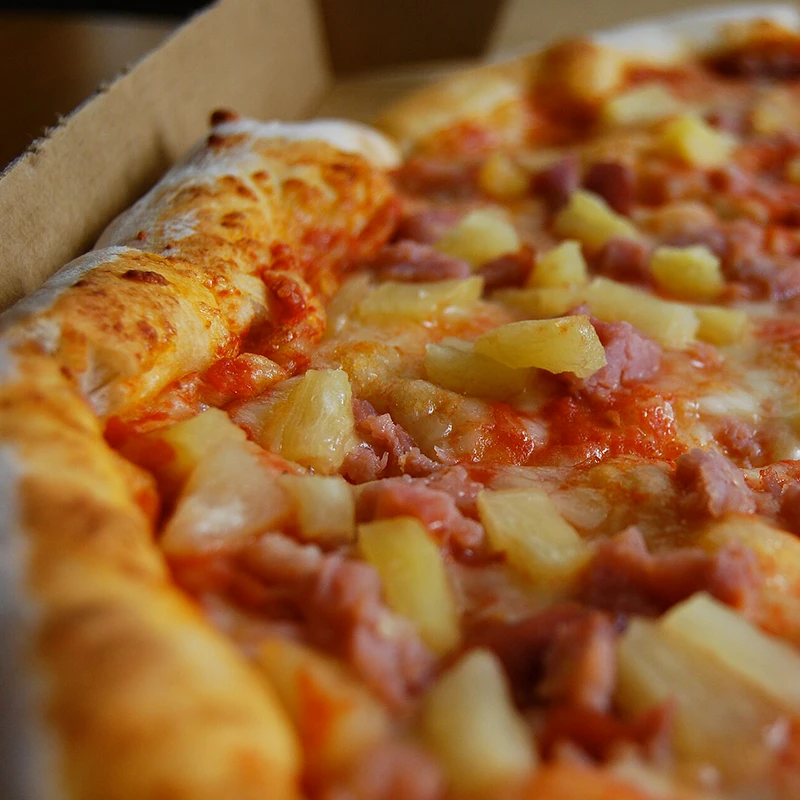
While the world largely views pizza as a flatbread topped with cheese, sauce, and various additions as a casual canvas for experimentation, Italian culinary traditionalists view it as a sacred craft bound by strict codes.
For decades, the internet has turned this friction into a sport, fueling endless memes and mock outrage over whether sweet fruit belongs anywhere near savory cheese and tomato.
From viral social media feuds and presidential declarations to passionate subreddit wars, the debate over Hawaiian pizza has remained the ultimate zero-stakes internet culture war.
Yet what usually remains a lighthearted digital argument occasionally spills over into the physical world with very real career consequences.
That exact collision of culinary dogma and employment law recently played out in Australia, where an Italian-born chef took his absolute refusal of a controversial topping all the way to the country's Fair Work Commission.
Chef Davide Tamburella found himself abruptly out of a job at La Costa Restaurant and Bar in Fortitude Valley in Queensland after repeatedly declining to prepare ham and pineapple pizzas for customers, telling his employer, Elliot Ingram, that putting the tropical fruit on a pizza was a fundamental insult to his Italian culture.
Court documents revealed that this was not a quick, isolated workplace misunderstanding, but rather the third time over a four-year span that he had flatly refused to assemble the tropical pie, even going so far as to advise the employer to look up the cultural importance some Italians placed on not putting pineapple on pizza.
“As recorded in the Fair Work Commission’s published decision, refusing to follow a management direction relating to a customer request was one of several matters raised during the disciplinary process,” Ingram said.
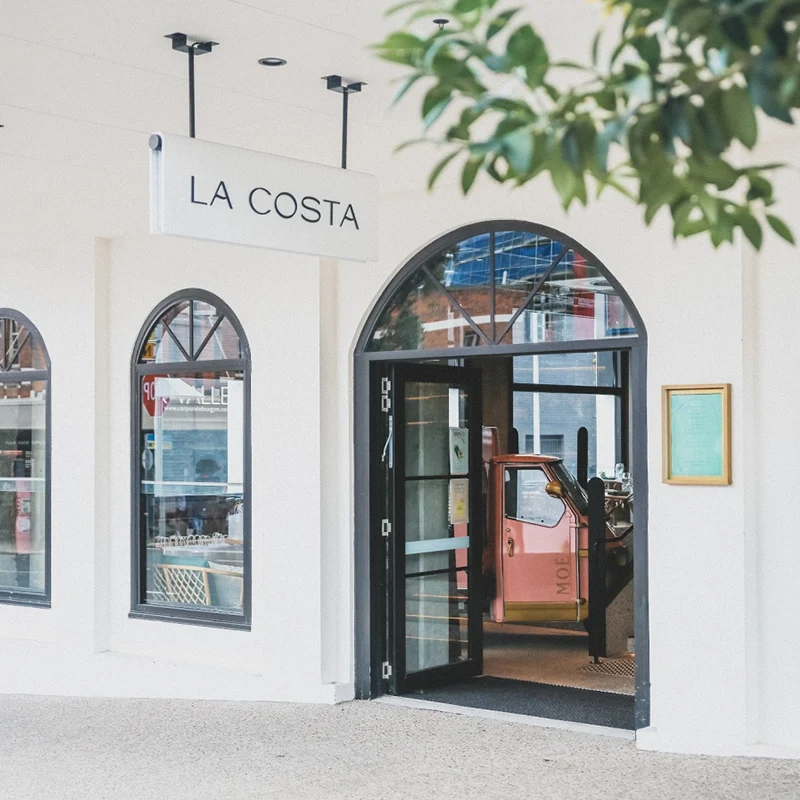
While the restaurant's leadership ultimately pointed to broader workplace friction, communication style, and ongoing performance concerns behind his dismissal, the core of the dispute sent shockwaves through the media.
Ironically, the clash took place in Queensland, a sun-drenched region that happens to be Australia's primary pineapple heartland, adding a layer of local irony to an already bizarre standoff.
Ultimately, Australia's workplace tribunal dismissed the chef's unfair dismissal claim, ruling that his refusal to follow menu requirements and his overall conduct justified the termination.
He has since moved on to another establishment and becomes head chef at Don Gino, where, true to his unwavering culinary principles, pineapple remains entirely absent from the menu.
As soon as the details of the legal battle leaked into the public sphere, the internet debates sparked once again with full force.

Social media platforms instantly transformed into virtual battlegrounds, resurrecting the ancient pineapple-on-pizza schism with a fresh wave of creative fury. Purists and internet memesters rushed to praise Tamburella as a martyr of Italian gastronomy, arguing that professional chefs should never be forced to violate their culinary soul for a fast-food modification.
On the other side of the digital aisle, defenders of Hawaiian pizza mocked the absurdity of losing a livelihood over a slice of canned fruit, pointing out that food is meant to evolve and adapt to local tastes.
For a few glorious days, the entire online world forgot about its usual stresses and plunged right back into the most delightfully nonsensical debate of our time, proving once again that humanity will never, ever agree on what belongs on a pizza.
It's worth noting though, Hawaiian pizza is a pizza that was actually invented in Canada in 1962 by Sam Panopoulos at the Satellite Restaurant in Chatham, Ontario, who named it "Hawaiian" after the brand of canned pineapple he used.
The pizza is famously topped with mozzarella cheese, ham or bacon, tomato sauce, and pineapple.