2017 was the year of ultra-premium smartphones.
No previous years have been a better time to be in the market than 2017. This was the time when the industry introduced a bunch of smartphones that go beyond $1,000 price tag, urging tech-savvy people, fans and others in between to reach deeper into their pockets to buy their dream device.
The players include smartphone giants like Samsung, Apple and Google. They are pushing their flagship devices to the $1,000 mark at their highest-end configurations. Essentially, they have essentially created a new market category, called the "ultra-premium" smartphone
$1,000 phones is like vendors trying to test the limits of what consumers are willing to pay. They cost more than most smartphones in the market, more than the price of average laptops, more than TVs, and practically more expensive than most consumer electronic devices.
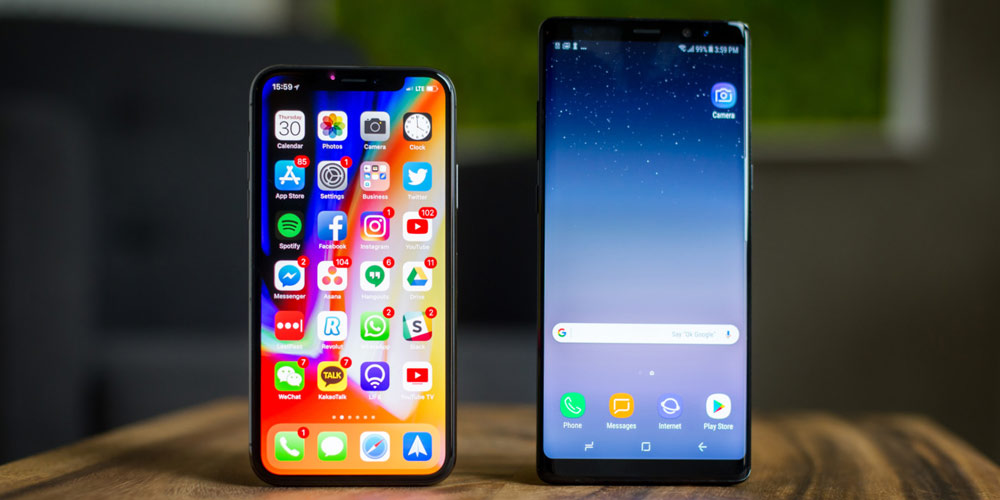
The reasons why vendors are willing to bet with such price, despite technologies tend to become cheaper, is because smartphones have not become commodities. They are still in a healthy segment where people are still willing to pay more for higher end features, better materials and attractive design.
What's more, the competition for parts is also responsible for this trend.
As demands from consumers increase, vendors try to keep up with the supply by bringing more and more smartphones to the market. However, things aren't that easy.
In the highly competitive smartphone industry, vendors are competing with each other to get their hands on a relatively low supply of key components. For example, every smartphone contains metals including gold, silver, copper, platinum and palladium. But they also contain an amount of rare elements like dysprosium, yttrium, lanthanum, terbium, neodymium, gadolinium and praseodymium.
While some of these elements are actually plentiful in the Earth’s crust, but they are extremely difficult to mine and extract economically. The scarcity of these components, which is made even worse as the competition tightens, increases their cost, resulting in more expensive phones, industry-wide.
What’s more, the concentration of some of these elements, such as gold and silver in a smartphones, are much higher than their concentration in an equivalent weight of ore. One tonne of iPhones, for example, would have 300 times more gold than a tonne of gold ore and 6.5 times more silver than a tonne of silver ore.
To add up to their troubles, less than 10 percent of these get recycled and their precious components recovered and reused.