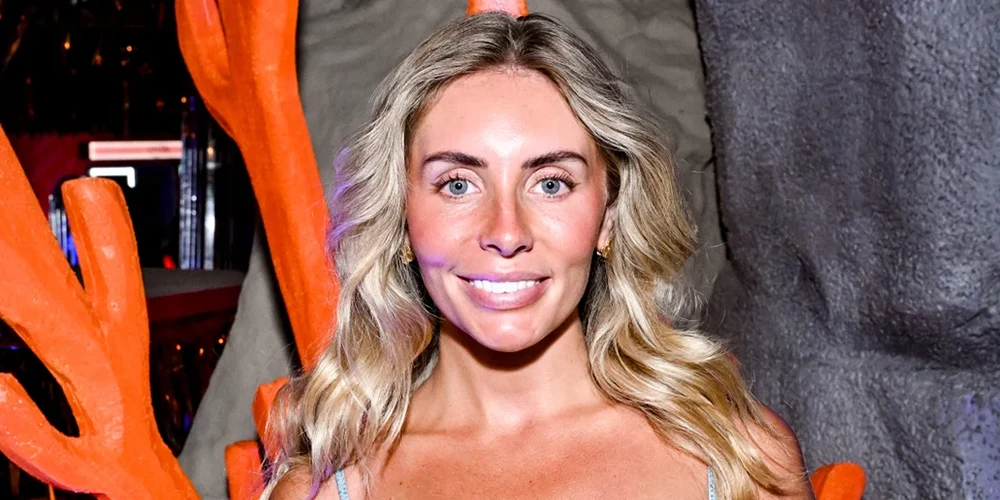
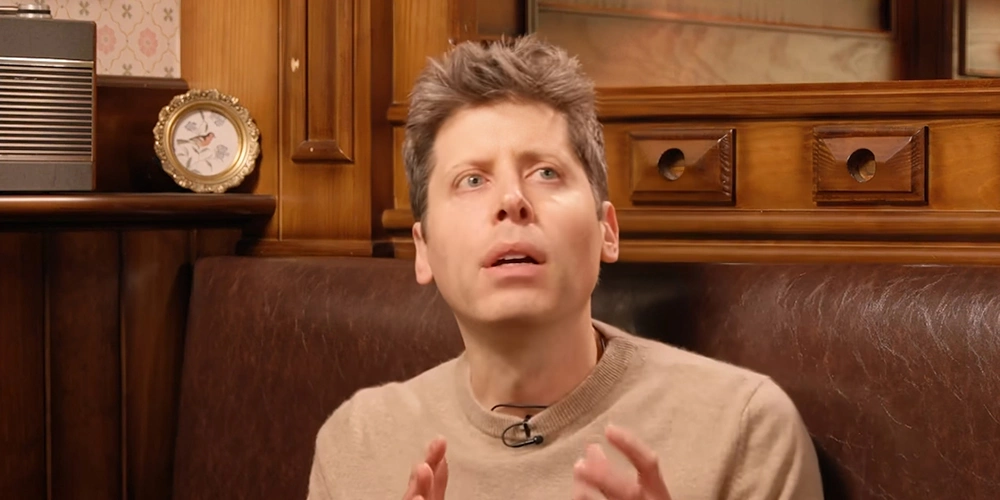
A couple of decades earlier, photographs were meant to be stored inside albums. Now, they "take on a life of their own," and can stored almost anywhere, accessible by anyone with internet connection.
With more of the population goes online, more people are also active on social media networks. Here, the ‘selfie-awareness’ became more prominent. As a result, more of them are concerned about how they look.
According to the American Academy of Facial Plastic and Reconstructive Surgery (AAFPRS), 42 percent of facial plastic surgeons are made on people who were requesting to look better on social media, according its annual statistics from.
The demands in 2017, saw an increased for both invasive and non-invasive plastic surgery procedures, up to 25 percent since 2012, the AAFPRS reports. And treatments for younger generations for cosmetic non-surgical procedures, like injectables, saw an even bigger rise at 80 percent of treatments.
AAFPRS President and facial plastic surgeon Fred G. Fedok, MD, said:
"Patients come to the office and remark that they ‘didn’t realize’ that this aspect of their face or nose look that way until they saw certain angles on one of the social media posts,” says Dr. Fedok. “Now that they see it, they want it corrected. I believe they want to correct the flaw to look “better” for themselves and also for how they look in photos."
"You cannot understate how impactful social media has been in this field. We see it every day in a variety of ways," said Patrick Byrne, an AAFPRS board member. "Younger people, up through middle age, increasingly perceive themselves through the lens of their own social media accounts."
With social media, people have many others to compare themselves with. Some may not realize that they constantly look like what they are at the moment until they caught a glimpse of themselves on social media or scrutinized a selfie before hitting post.
Others may just be sick and tired of seeing others who appeared to look better than them.
Here, an increasing number of patients visit plastic surgeons with concerns about tired-looking eyes and are interested in fillers or eyelid surgery, Dr. Fedok said. A number of others include surgical and nonsurgical innovations to change the cheekbones and cheek.
There is also an increasing number of requests for nose reshaping, lip augmentation and wrinkle reduction. And all that is a result of social media.
"If you have a question about something you have viewed about your facial appearance, seek a consultation from an expert," Dr. Fedok explained. "Facial plastic surgery should be approached in a sober deliberate manner and good decision making. The expert advice of a trained physician will guide you to your best decision making."