In Thailand, monks are a blend of devotion, discipline, and cultural symbolism. Known as "bhikkhu" (ภิกษุ), they are ordained members of the Theravāda Buddhist tradition, which is deeply woven into Thai culture and society.
They are easily recognized by their saffron or ochre robes, shaved heads, and bare feet. Most live in temples and follow a strict code of monastic discipline called the Vinaya, which includes rules like celibacy, non-violence, detachment from possessions, and daily alms collection.
Thai monks are largely members of the Theravada sect, which requires them to be celibate and refrain from even touching a woman.
But they are still men, and when seductions came right on the spot, even temples can become a place for temptation.
Stories of misbehaving monks are actually common in Thailand, but the scale and the frequency of the scandals have sparked question about wealth and privilege, as well as the devotion of monks.
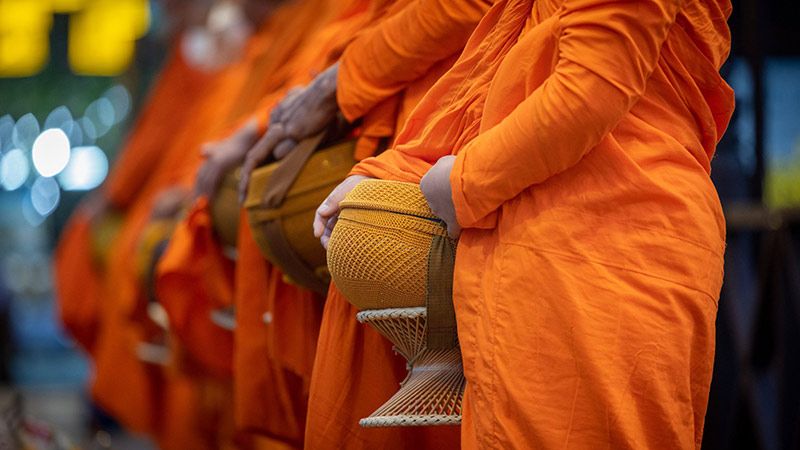
In Thailand, respected monks are often seen as spiritual guides, community leaders, and even healers.
Some become famous throughout the country, drawing followers who believe in their wisdom or even supernatural abilities. it is also common for young men—sometimes even teenagers—to temporarily ordain as monks, often for a few weeks or months. This is seen as a rite of passage, a way to earn merit for oneself and one's family.
It’s not unusual for men to do this before marriage, during school breaks, or after a family member passes away.
However, like any human institution, the monastic system is not without its flaws—scandals involving money, sex, or power do occasionally surface, which tends to shock the public because monks are supposed to embody purity and discipline.
And this time, the case went up to headline news, when a young woman was arrested in Thailand for allegedly enticing senior monks into having sexual intercourse with her and then blackmailing them into making large payments to cover it up.
Caught between shame and desire, some gave in and pay, some abandoned their monkhood altogether.
Wilawan Emsawat, a woman in her mid-30s, is at the center of a widening scandal that has rocked Thailand’s monastic community.
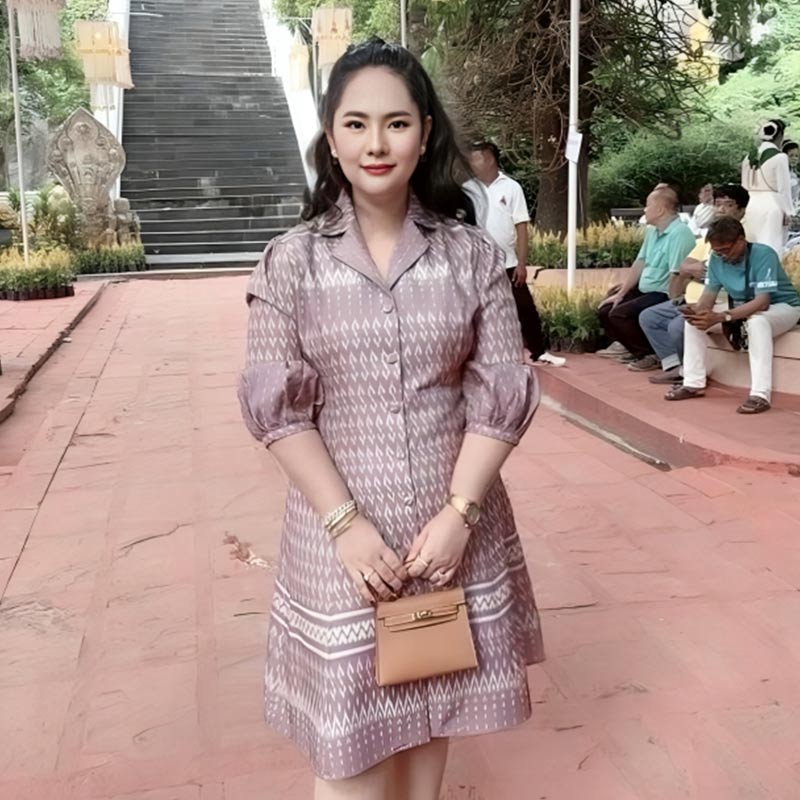
Authorities accuse her of seducing senior monks into sexual relationships—violating deeply held religious vows—before allegedly blackmailing them into making large payments to conceal the affairs.
In Theravāda Buddhism, which most Thai monks practice, celibacy is a core tenet.
Monks are not only forbidden from engaging in any form of sexual activity, but are also prohibited from even touching women. Yet investigators say several monks transferred substantial sums to Wilawan after she initiated romantic liaisons with them, seemingly breaking their sacred code.
Her bank accounts reportedly received around 385 million baht (approximately £8.8 million) over the past three years. Much of the money came from temple donation accounts.
What makes the situation even more shocking is that the money wasn't merely hoarded or spent on personal luxuries or other non‑spiritual expenses. A significant portion of it was traced to online gambling websites, suggesting not just moral entanglement, but a deeper web of financial misconduct.
It raised troubling questions—not only about the monks’ vulnerability, but about how funds moved through religious channels could end up fueling vice, rather than virtue.
Wilawan Emsawat, known as “Sika Golf,” comes from Sak Lek district in Phichit province.
Born into poverty, she left school before completing Matthayom 3 (Grade 9) and moved to Bangkok in search of work. Over the years, she became a mother of three—her first child with a DJ, and later two more with an academic and a monk based in Phitsanulok.
Her entanglement with the monkhood began innocently enough—through a Line message from Phrathep Watcharasitthimethi, then the abbot of Wat Tha Luang. But what followed was a complex web of seduction and scandal that reached into the highest levels of Thailand’s monastic community.
Wilawan has openly admitted her motivations.
"The [former] abbot took very good care of me. Whatever I wanted, he provided. One day, I said I wanted a Mercedes, and he bought it for me, paying three million baht in cash," she said. She also shared that her pursuit of these relationships stemmed from exhaustion over years of financial struggle.
After her relationship with Phrathep ended between 2013 and 2015, she became romantically involved with other men, including additional monks, an academic, and a local politician.
The scandal truly broke open when Wilawan reportedly coerced Phra Kru Siriwiriyathada, a former assistant abbot at Wat Sothon Wararam Worawihan in Chachoengsao, to lodge a complaint against Phra Thepwachirapamok—better known as Chao Khun Archawa—the former abbot of Wat Tritossathep in Bangkok. Wilawan claimed he owed her "7.2 million baht in child support" for a pregnancy that was later proven to be fabricated.
On June 27, 2025, Chao Khun Archawa was disrobed at a temple in Nong Khai, triggering a public outcry and intense media scrutiny.
Wilawan was taken into custody at her residence in Nonthaburi province, just north of Bangkok.
She faces multiple charges, including extortion, money laundering, and receiving stolen goods. A search of her mobile phones uncovered what police described as a vast digital archive—tens of thousands of photos and videos, along with extensive chat logs through the Line app that revealed intimate conversations with numerous monks.
Authorities believe many of these materials were intended for blackmail.
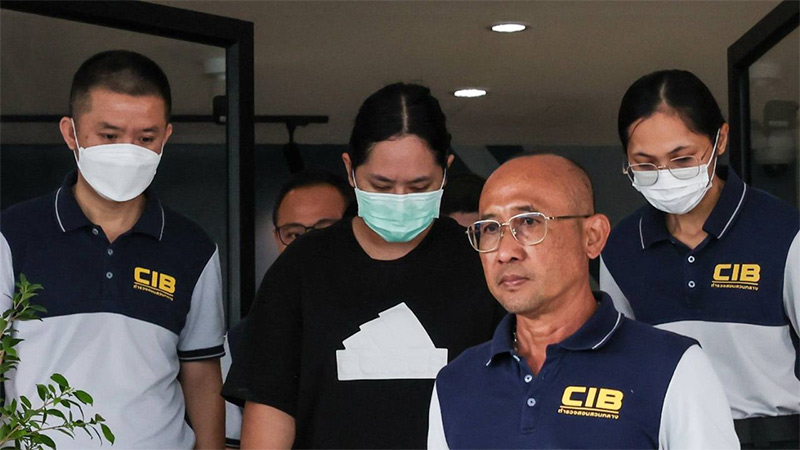
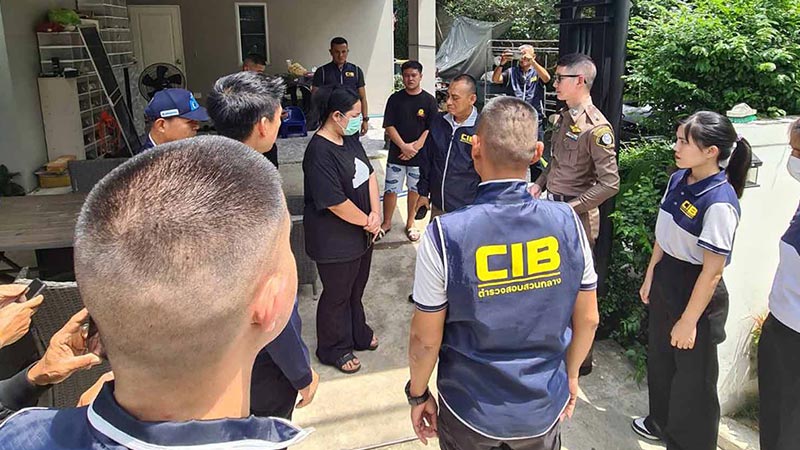
The case gained momentum after a highly respected abbot from a well-known temple in Bangkok abruptly left the monkhood.
Investigators later revealed he had been pressured by Wilawan following a romantic relationship.
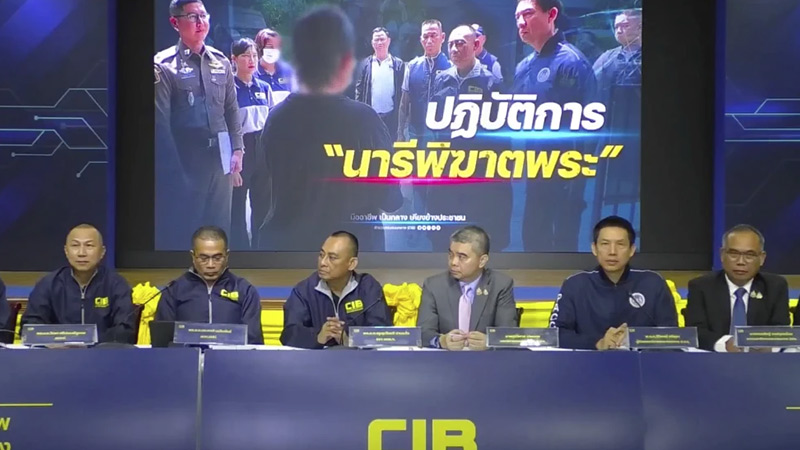
“She told the monk she was pregnant and asked him to pay her 7.2 million baht (£165,000),” said Jaroonkiat Pankaew, deputy commissioner of Thailand’s Central Investigation Bureau, during a press conference in Bangkok.
The scandal involving Wilawan has implicated monks from several prominent temples across Thailand. Notably, Phra Thep Wachirapamok, also known as Chao Khun Archawa, the former abbot of Wat Tri Thotsathep in Bangkok, was among those affected.
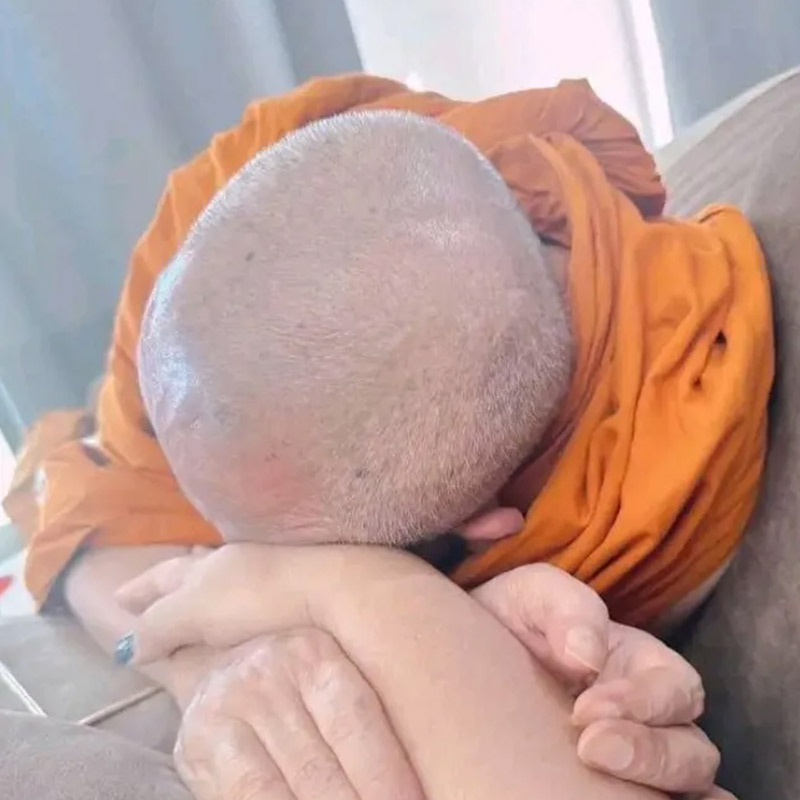
According to early reports, at least nine abbots and senior monks have been disrobed and cast out of the monkhood, the Royal Thai Police Central Investigation Bureau said.
In the wake of the scandal, Acting Prime Minister Phumtham Wechayachai has ordered officials to reevaluate existing laws governing monastic conduct and temple finances.
The government, hoping to restore public faith in the nation’s dominant religion, is pushing for stronger financial transparency and stricter oversight of Buddhist institutions. Government spokesperson Jirayu Houngsub stated Tuesday that reforms are being actively considered.
Meanwhile, the Central Investigation Bureau has launched a dedicated Facebook page for the public to report inappropriate behavior by monks. “We will investigate monks across the country,” Jaroonkiat said. “I believe that the ripple effects of this investigation will lead to a lot of changes.”
In the tranquil temples of Thailand, where golden Buddhas gleam and incense curls lazily through sunlit halls, monks dedicate their lives to discipline and spiritual purity.
Their days begin before dawn with chanting and meditation, their footsteps light as they walk barefoot along ancient stone paths. This is a world built on centuries of reverence, where vows of celibacy and detachment are not just rules but a way to transcend the desires that bind ordinary mortals.
Yet beneath this gilded surface, human nature’s complexities quietly simmer. The juicy, forbidden deeds always have a magnetic pull—especially among monks.
The scandal involving Wilawan Emsawat peeled back the veil on a secret drama—a tale of desire, manipulation, and power that clashed starkly with the monks’ sacred vows. Men who vowed to renounce the world found themselves ensnared in webs of temptation, their reputations and faith shaken by whispered betrayals and dark bargains.
Behind the serene saffron robes and chanting rituals, there’s often a shadowed world where human desires and flaws collide with centuries-old traditions.
"I felt guilty. I knew it [having relationships with monks] was a sin, but I didn't want to struggle anymore. I wanted enough money to look after myself and my children," Wilawan said.
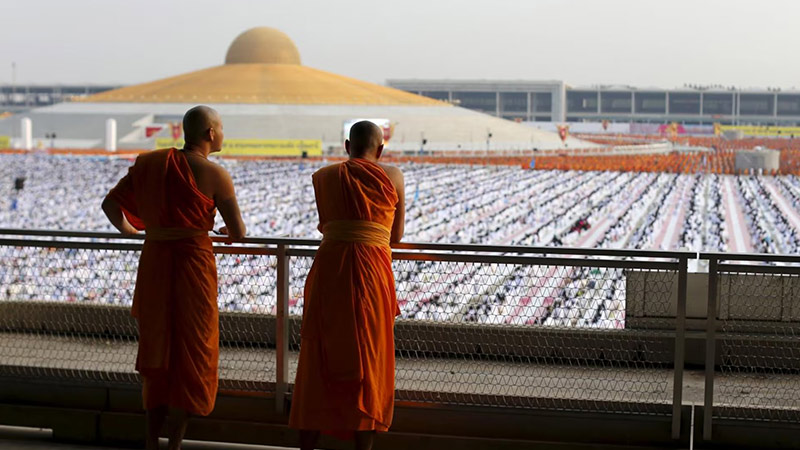
The allure of forbidden love, the burden of shame, and the paralyzing fear of exposure pushed several monks to part with vast sums of money—payments made not to uplift spiritual causes, but to sustain hidden luxuries and feed the insatiable hunger of online gambling platforms. What should have been acts of piety were quietly diverted into a world far removed from ascetic ideals. Even the most revered sanctuaries, it seems, are not immune to the timeless pull of human frailty.
In this era, the internet has become an accomplice.
Technology, with all its blessings, also provides shadows to hide in—encrypted chats, secret transfers, virtual temptations accessible with a simple swipe. It enabled the deception to spread quietly, far from the eyes of those who believed in the sanctity of saffron robes and morning chants.
This stark contrast—the sacred versus the profane—has echoed through the history of faith for centuries. It invites not just shock or condemnation, but contemplation. It reminds both the devout and the doubtful that behind every holy vow lies a human being, vulnerable to the same desires that shape every single being.
And while this scandal stirred outrage and prompted demands for institutional reform, it also opened deeper questions about mercy, redemption, and the fragile nature of spiritual commitment in a digital age.
Still, in the broader view, Thai monks remain deeply respected. Their temples are more than just places of worship—they are the heart of many rural communities. Monks lead ceremonies, offer blessings, teach the dharma, and provide guidance through life’s milestones. But as this episode shows, even the most trusted figures walk a delicate line between ideal and imperfection.
Since this case was revealed to the public, Wilawan was subsequently dubbed the "monk-slayer" by the media.






















































































































































































































































































