Ozzy Osbourne, the 'Prince of Darkness,' a name he earned for a good reason.
From the moment he stepped onto the stage with Black Sabbath in the late 1960s, his presence exuded something primal, eerie, and electrifying. His voice—haunting and unmistakable—seemed to claw straight from the depths of a gothic novel, wrapped in the sounds of distorted guitars and thunderous drums.
With his band, Ozzy channeled a new kind of heaviness, one that tapped into humanity’s deepest fears and desires.
Songs like Black Sabbath, War Pigs, and Iron Man weren’t just music—they were seismic shifts that redefined what rock could be. In a time when psychedelia and peace anthems dominated the airwaves, Ozzy was invoking dark skies, madness, and doom—and the world couldn’t look away.
But the darkness wasn’t just an act. Ozzy lived every lyric, danced with every demon he sang about. His decades-long battle with drugs, alcohol, and inner torment became as much a part of his legend as the music itself.
On July 22, 2025, at the age of 76, the legend breathed his last, surrounded by his loving family—a poignant end for the man who carved out an immortal legacy in rock music.
Born John Michael Osbourne on December 3, 1948, in working‑class Birmingham, Ozzy’s ascent began as frontman of Black Sabbath in 1968. Their dark, powerful riffs and themes—on albums like Paranoid, Master of Reality and Sabbath Bloody Sabbath—laid the very foundation of heavy metal.
He fronted Ozzfest, a festival that championed metal and shaped a generation, and sold over 100 million albums across Sabbath and solo output.
His induction into the Rock & Roll Hall of Fame twice—first in 2006 with Sabbath, then solo in 2024—cemented his towering influence.
Dismissed in 1979 amid personal struggles, he quickly rebounded with a landmark solo career. His debut Blizzard of Ozz (1980) and hit single “Crazy Train” established him as a solo force to be reckoned with.
Though the rock world had known his name for years, he reentered mainstream culture in the early 2000s through MTV’s The Osbournes (2002–2005), revealing his candid unfiltered self. Ozzy became not just a rocker but a relatable father figure—raw, foul-mouthed, unapologetically real—and the show reshaped reality television.
.
Ozzy’s legacy is a kaleidoscope of pioneering music, personal turbulence, and cultural crossover.
His final public words, featured in a video from his last show and echoed in interviews, exuded grit and self-awareness: his survival—through decades of excess, health battles, and emotional loss—became his legacy..
Ozzy Osbourne's story is more than a rock legend—it’s a testament to perseverance, reinvention, and blazing trails in times when the path was analog and raw.
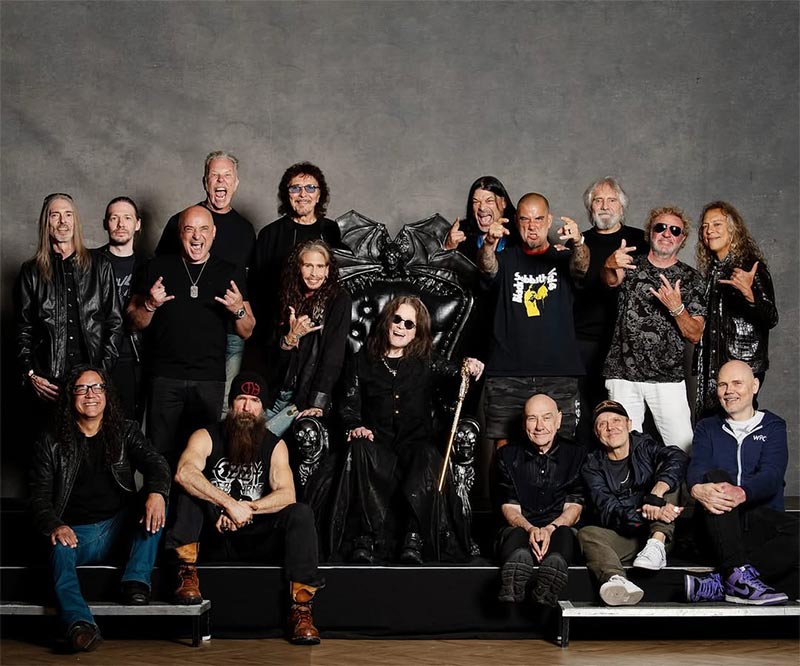
It's worth noting that just 17 days before, on July 5, 2025, in his native Birmingham, Ozzy delivered his final performance at Villa Park—a spectacular, charity-driven farewell aptly named “Back to the Beginning”.
This evening not only reunited the original Black Sabbath lineup for the first time in two decades, but also featured a veritable who's who of rock—Metallica, Guns N’ Roses, Slayer, Pantera, Alice in Chains, Gojira, Halestorm, Lamb of God, Anthrax, Mastodon, Rival Sons, and surprise guests including Steven Tyler, Billy Corgan, Slash, Sammy Hagar, Fred Durst, and more.
At 45,000-strong, the audience watched Ozzy, seated on a throne due to his advanced Parkinson’s, power through with raw, defiant energy.
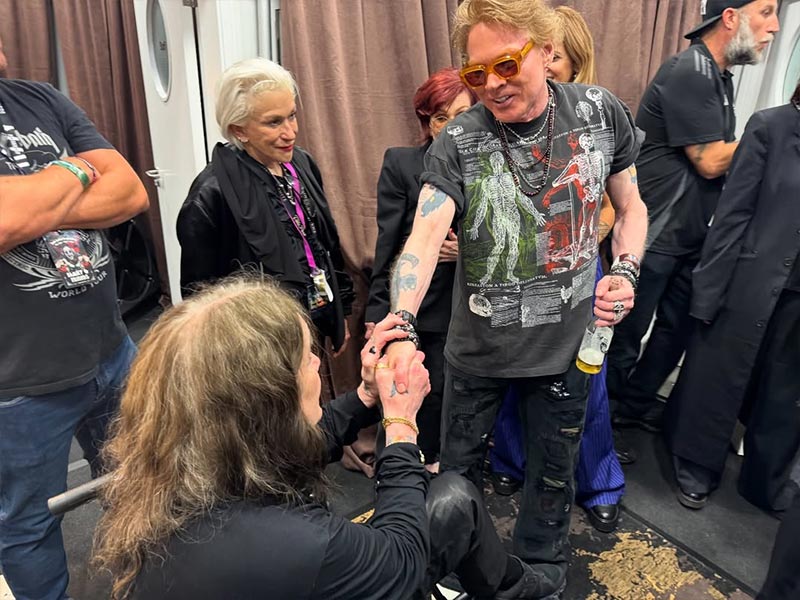
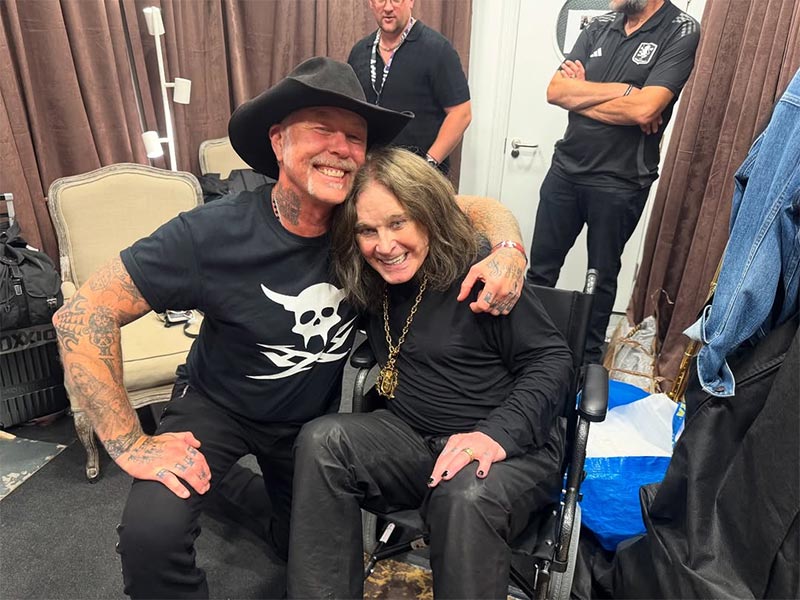
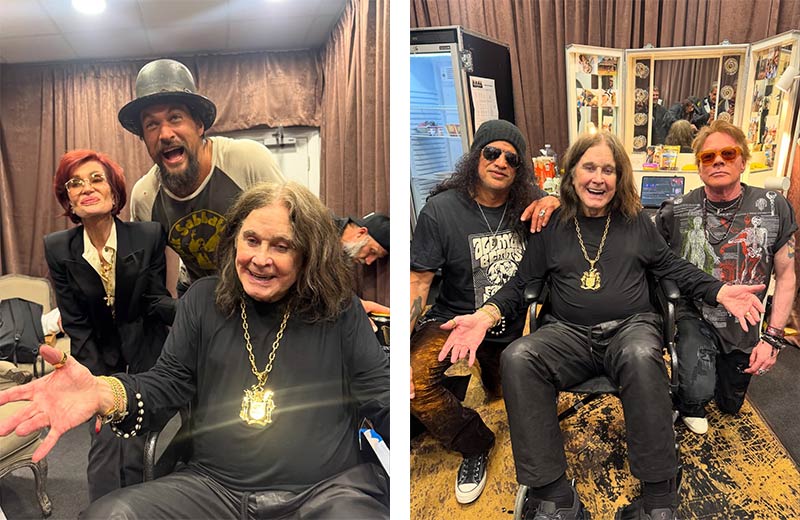
Backstage, he shared quiet moments with legends—Axl Rose reportedly inquired about good beer, while Ozzy and Slash posed together, all underscoring the camaraderie and mutual reverence among icons .
Fans worldwide streamed the benefit‑styled concert, raising over £140 million for Parkinson’s research and local children’s hospitals—demonstrating Ozzy’s generosity even in farewell
His outrageous behavior, haunting voice, and image transcended rock music, embedding him in the public consciousness at a time when fame was built on vinyl, interviews, and scandal—not clicks or likes.
His candid battles with addiction, his frank embrace of Parkinson’s, and his unexpected role in a widely watched reality show gave him an authenticity rare for a rock star—humanizing him and making him an international symbol of survival.
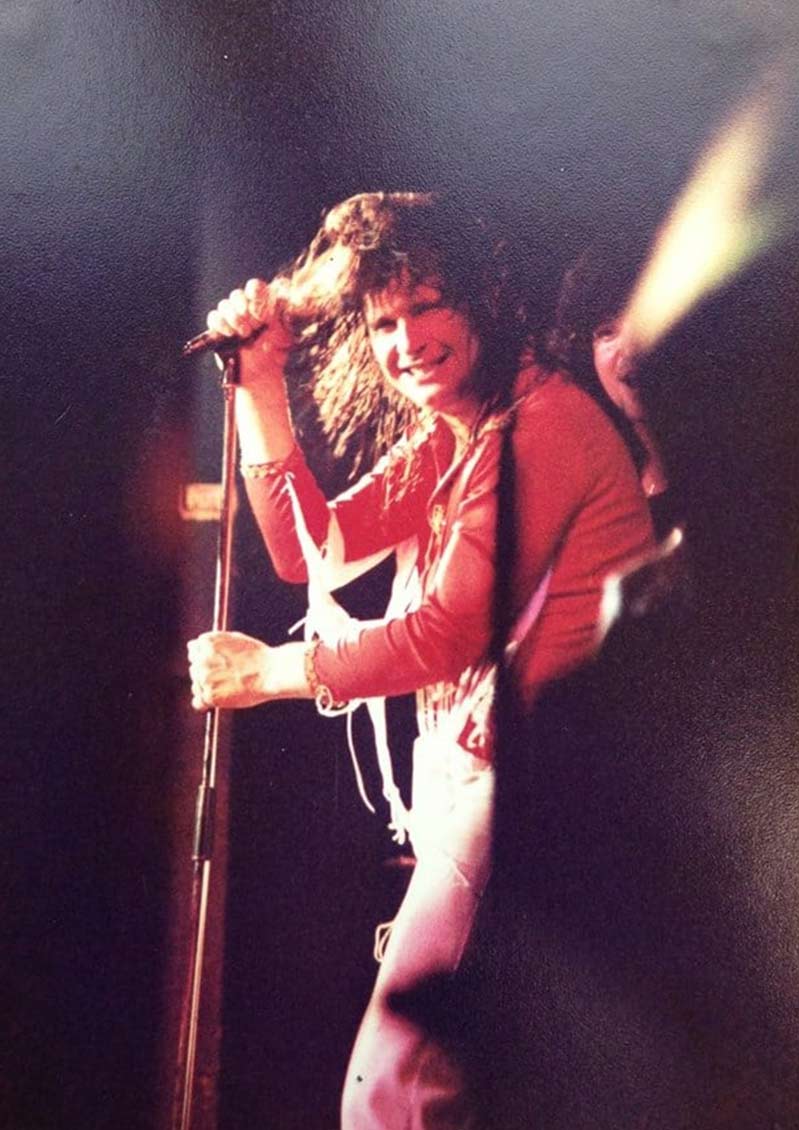
Ozzy Osbourne and the internet might seem like opposites on paper—he’s a rock legend born before rock was even fully formed, and the internet is a digital landscape built decades after his career began.
But in reality, their connection runs deep and weirdly beautiful.
Ozzy became a global icon long before the internet made it easy. In the '70s and '80s, he was already a household name thanks to vinyl records, word of mouth, bootleg tapes, and explosive live shows. But when the internet era exploded in the late '90s and 2000s, Ozzy didn’t just survive it—he became an unexpected centerpiece of it.
Memes, viral clips, fan forums, YouTube tributes, and music blogs worshipped his past with the same intensity as fans had decades before.
The internet revived Ozzy for a whole new generation—and he embraced it with both middle fingers raised and eyeliner perfectly smudged.
What's unique is that,Ozzy never needed to go viral. He was viral.
In a culture dominated by filters and pretense, Ozzy was raw, unpolished, and completely real. The internet didn’t change Ozzy—Ozzy changed the internet, simply by existing in it as himself. In the noisy digital world, he didn't need to stand out and be different. He was already different.
He was a black-clad relic of analog rebellion, thriving even in the digital age. A man who built his empire in smoky pubs and on cassette tapes, reigned as a ghost in the machine—haunting playlists, popping up in TikToks, and reminding the world that authenticity never dies.














































































































































































































































































