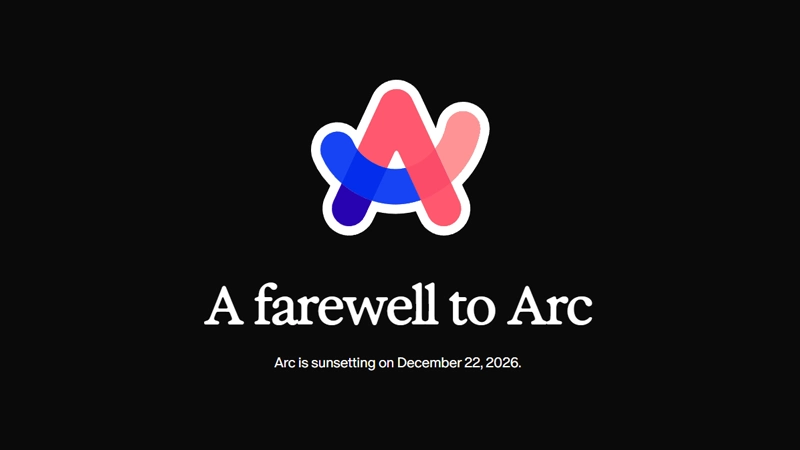
The evolution of personal computing is defined by cycles of rapid experimentation, where tools designed to alter daily habits either achieve permanent status or serve as stepping stones toward broader technological shifts.
Web browsers, in particular, remain central to how individuals interact with the internet, serving as the primary window through which work, communication, and information retrieval occur.
When software projects in this space attempt to break away from traditional design frameworks, they often attract substantial attention from users eager for fresh alternatives.
Recent announcements regarding the impending retirement of the Arc browser underscore the volatile nature of software development, signaling an end to an experimental chapter in web navigation while opening the door to a new phase of product strategy.
The decision to conclude active support for Arc by late December provides a concrete timeline for its user base to transition away from the platform.
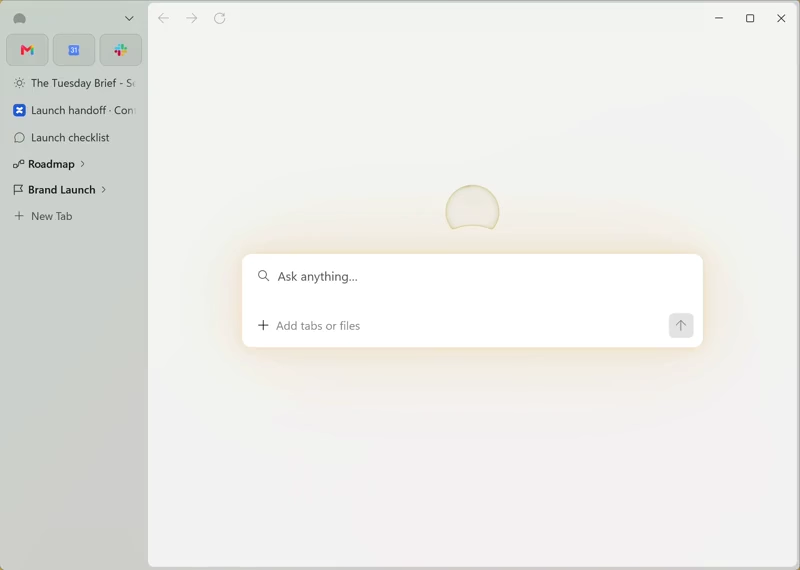
For several years, the software stood out by challenging longstanding interface conventions, replacing the standard top-tab layout with a vertical sidebar, customizable spaces, and integrated productivity features.
The idea was to rethink productivity and workspace management.
Developed by The Browser Company, the application aimed to reduce digital friction and streamline modern workflows.
While these design choices cultivated a loyal following among technology enthusiasts and power users, maintaining a feature-heavy desktop environment requires constant maintenance, security updates, and performance optimization, particularly when operating on top of underlying engines like Chromium.
As web technologies shift toward deep integration with artificial intelligence, software providers face growing pressure to adapt their architecture rather than continuously patching existing frameworks.
The Browser Company chose to pivot its primary resources away from Arc in order to focus entirely on Dia, a new web browser built from the ground up with artificial intelligence capabilities at its core.
Rather than attempting to retrofit Arc with layered automation tools, the organization determined that a clean slate offered a more effective path to building a modern browsing experience.
Dia incorporates several familiar design elements pioneered in Arc, such as vertical sidebar navigation and customized user profiles, while optimizing performance, security, and native AI integration for future web standards.
The Browser Company has laid out a definitive timeline for sunsetting Arc.
As of October 22, new user sign-ups are disabled, though current users retain access for the time being. Key functionality on the Arc mobile apps will be stripped down on November 23, followed by a total shutdown on December 22. On that day, desktop and mobile access will cease entirely, apps will be pulled from storefronts, and account access will close. All remaining user data will be permanently purged 30 days after the service goes dark.
This transition highlights the broader dynamics of the modern web browser landscape, where smaller startups compete against deeply entrenched incumbents like Google Chrome, Apple Safari, and Microsoft Edge.
Introducing a novel browser requires not only convincing users to change ingrained daily habits, but also sustaining long-term engineering velocity against competitors with vast infrastructure and marketing reach.
The sunsetting of Arc reflects a strategic choice to consolidate engineering efforts around next-generation paradigms rather than managing dual development paths.
As the shutdown date approaches, the software community continues to evolve. Other similar projects, and lesser-known browsers hope to pick up where Arc left off.
Read: The Browser Dia Is Remixing Arc’s Greatest Hits: Reinventing Its Own Reinvention






















































































































































































































































































