
The evolution of digital connectivity has fundamentally changed how personal information travels, turning consumer smartphones into central repositories for daily communication, financial records, and personal identity.
Because mobile devices hold immense amounts of sensitive data, they have also become primary targets for malicious actors seeking to bypass traditional security perimeters.
While targeted attacks once required expensive, customized exploits directed at high-profile individuals, the threat landscape has shifted toward automated, large-scale campaigns capable of reaching ordinary users through everyday web browsing.
Security researchers from firms such as iVerify and Report URI recently uncovered an expansive distribution network that weaponizes abandoned web infrastructure and digital advertising tags to silently deliver advanced spyware to iPhones.
The campaign utilizes a method known as "DeadTag," in which threat actors systematically re-register hundreds of expired and previously legitimate analytics or ad-tracking domains.
Because thousands of active websites still reference these defunct domains for their tracking scripts and widgets, ordinary visitors loading a reputable web page inadvertently pull code controlled by attackers into their browser sessions.
This automated infrastructure acts as a delivery mechanism for potent mobile exploit kits and malware variants, notably Coruna and DarkSword.
These toolkits target vulnerabilities within Apple iOS browser engines, specifically affecting unpatched or outdated devices through drive-by downloads.
When a user navigates to a contaminated site or encounters a malicious social media advertisement, the injected script executes a silent compromise without requiring any user interaction beyond normal browsing.
Once installed on a compromised device, advanced implants like the P7 DarkSword function as persistent surveillance platforms. The malware establishes regular check-ins with remote command servers every fifteen seconds, allowing operators to issue instructions and siphon data.
Forensic evaluations indicate that the payload is engineered to harvest sensitive local files, including iOS Keychain credentials, stored Wi-Fi passwords, personal notes, messages, and private keys belonging to cryptocurrency wallets.
Security analysts emphasize that this campaign highlights a significant escalation in mobile threat engineering.
By replacing expensive, boutique zero-day attacks with automated web and malvertising pipelines, criminal groups can scale their operations against casual users. Mitigation efforts rely heavily on timely operating system and browser updates to patch the underlying vulnerabilities exploited by these malicious distribution networks.
Read: The 'DarkSword' Threat: How A Leaked Tool Can Compromise Any iPhone Running iOS 18
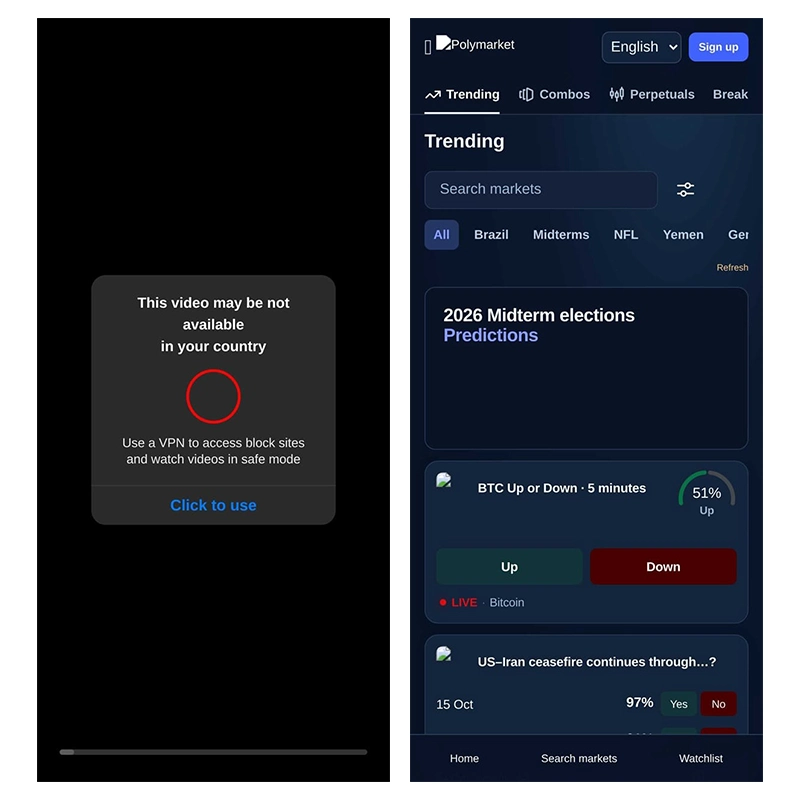
The discovery underscores how the reuse of abandoned digital infrastructure can give attackers a scalable way to reach large numbers of users.
While the campaigns rely on vulnerabilities in specific iOS versions, the broader risk extends beyond any single exploit, highlighting the importance of maintaining updated devices and remaining cautious when browsing unfamiliar or compromised websites.
As security researchers continue to track the infrastructure behind these campaigns, the findings also demonstrate how seemingly forgotten components of the web can remain a security risk long after their original owners have abandoned them.
For users, keeping iOS and other software up to date remains one of the most effective ways to reduce exposure as attackers continue to adapt their methods.






















































































































































































































































































