The personal information of more than a billion people in India that are stored inside the world's largest biometric database, can be bought on the internet for less than £6.
The news compromised a continued series of alleged leaks from the Aadhaar database, which has been collecting the photographs, thumbprints, retina scans and other identifying details of every Indian citizen. Because those leaked information can be used to access a number of government services, the leaks are a growing concern.
But according to the Unique Identification Authority of India (UIDAI), which administers the Aadhaar system, stressed that no thumbprints or retina scans had been made available. The ‘leakage’ of Aadhaar number, according to UIDAI, does not imply a breach of Aadhaar data.
“Mere display of demographic information cannot be misused without biometrics,” it said in a statement. “Claims of bypassing or duping the Aadhaar enrolment system are totally unfounded. Aadhaar data is fully safe and secure and has robust, uncompromised security.”
The newspaper report said that anonymous people in WhatsApp groups were charging 500 rupees for the details of an account that allowed access to information from the Aadhaar database. This included a person’s name, home and email addresses, photographs and phone numbers.
The newspaper claimed that it purchased a code and was able to gain access to the information. And with an added 300 rupees payment, it included a software that permits users to print fake Aadhaar cards.
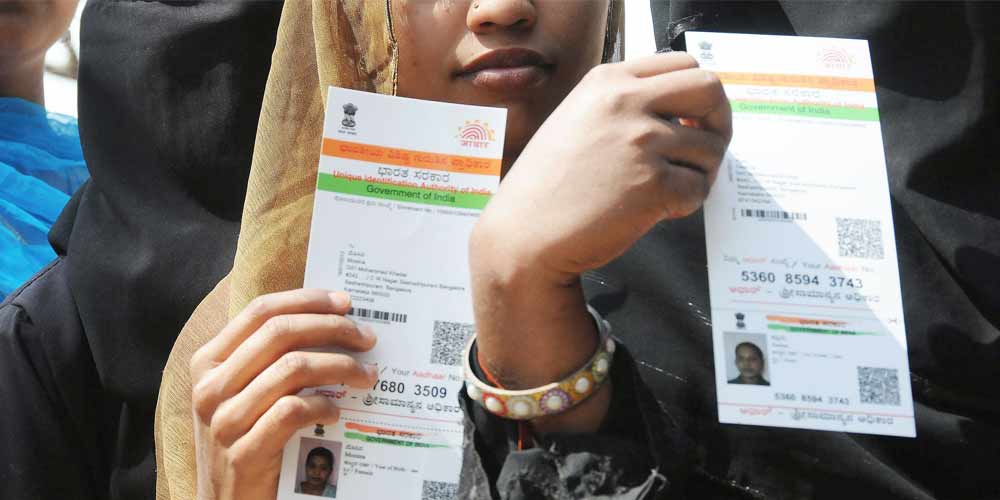
More than 200 government websites were revealed in November to have published the Aadhaar numbers of citizens along with the names, addresses and bank details. UIDAI said that in that case the information had been inadvertently published by other government departments and was removed as soon as the breach became apparent.
The report did made headlines in India, and many social media users in India revealed their concerns over the security of their personal data.
Critics have also said that the benefits of Aadhaar are overstated, and there are potentials that the data can never be fully secured.
Aadhaar workers have spent years to collect the names and photographs and scanning the eyeballs and thumbs of more than a billion people in India. The government says the database will bring vast numbers of Indians into the digital economy, allowing direct access to social programs in the country.
Related: India Blocks Access To The Internet Archive's Wayback Machine