Apple and Xintong Tiandi, a Chinese company that makes leather goods, have been fighting in Chinese courts since 2012. The two had been pursuing their legal rights to use the brand name "iPhone".
Apple first filed for the "iPhone" brand name trademark in 2002. However, it wasn’t officially approved until 2013 under ‘Class 9: Electrical and Scientific Apparatus.’
2013 was five years after Apple launched its first iPhone in the U.S..
On the other hand, in 2007, Xintong Tiandi applied for the same trademark under ‘Class 18: Leather Goods;’ and the trademark was approved three years later in 2010.
What this means, there were two iPhone trademark names registered, although under different classes. While Apple filed first, it was Xintong Tiandi that actually trademarked the name first.
And here, the Beijing Municipal High People's Court ruled in favor of Xintong Tiandi Technology.
"Apple is disappointed the Beijing Higher People's Court chose to allow Xintong to use the iPhone mark for leather goods when we have prevailed in several other cases against Xintong," said a spokesman for Apple.
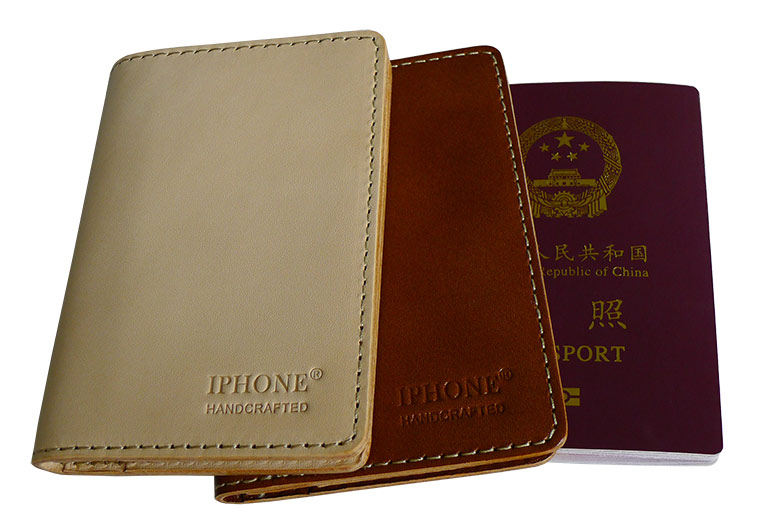
Xintong Tiandi is a Chinese company that makes leather handbags, leather phone cases and other leather goods under the brand name "IPHONE".
Apple was the first that brought the case against Xintong Tiandi to the Chinese trademark authority in 2012. When that failed, Apple then filed a lawsuit in a lower Beijing court. But both ruled against Apple.
The higher court ruled that Apple could not prove it was a well-known brand in China before Xintong Tiandi filed its trademark application in 2007. This was made worse for Apple because iPhones were first went on sale in China in 2009.
Apple's loss comes shortly after Apple showed a 13 percent drop in revenue on slower iPhone sales, with sales in China plunged by more than 25 percent. Apple was also facing difficulties in other operations in China, when Beijing passed a law that required all content shown in China to be stored on servers based on the Chinese mainland.
After its victory against Apple, Xintong Tiandi wrote on its website, saying that the court’s decision is a reflection of a "free market." “We will also make full achievement of the ‘iPhone’ trademark, and work together [with Apple] to benefit more iPhone consumers."

























































































































































































































































































