Most mid-budget studios do not get a second life from the same crowd that usually celebrates a cracked build.
The usual script is a leak, a download link, and a shrug. This week that script broke in public, which is how a Finnish sequel ended up trending for reasons that have as much to do with loyalty as with gunplay.
Control Resonant, Remedy Entertainment's follow-up to the 2019 original, landed on September 24 for PlayStation 5, Xbox Series X and S, Steam, and the Epic Games Store.
Remedy is publishing it itself.
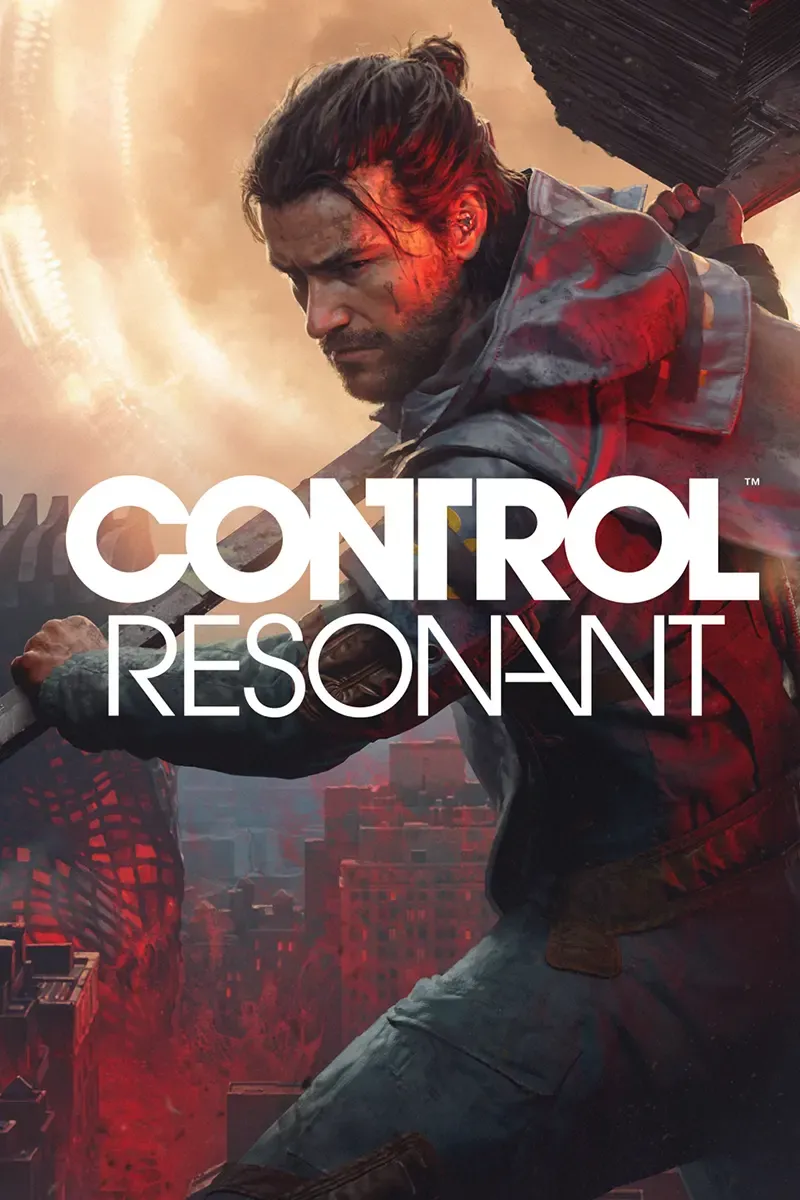
On Steam it opened at the top of the bestseller list, later slipped but stayed in the upper ranks, and set a new high for the studio’s concurrent players on the platform.
Early reports put the peak above 34,000. Later SteamDB snapshots pushed that figure past 40,000, more than four times the original Control's roughly 9,100. User reviews sat in the high 80s, Very Positive. It also showed up in PlayStation 5 top-ten seller lists across about 20 territories,
in a week that already had Onimusha: Way of the Sword, The Blood of Dawnwalker, and Wolverine competing for attention. Those are launch metrics, not a full P&L.
They are still the loudest start Remedy has had on Steam.
The noise around it is what turned a strong week into a story.
Even Rockstar Games, the studio behind Grand Theft Auto, joined in with a congratulatory post.
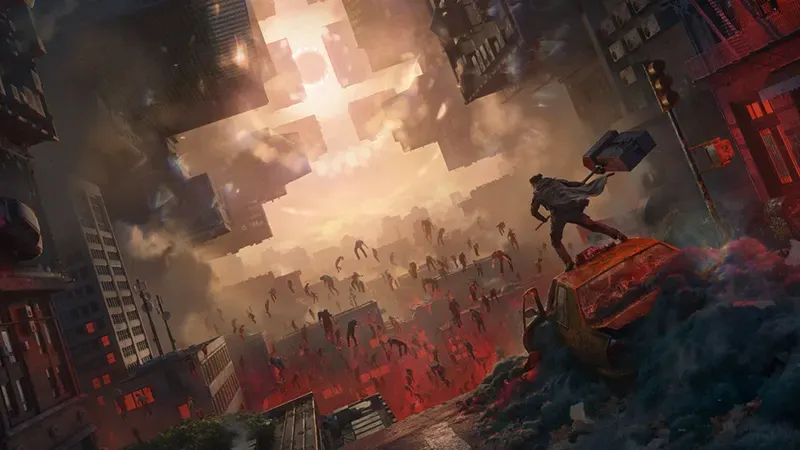
Clips of Manhattan folded into Bureau architecture moved through the usual feeds.
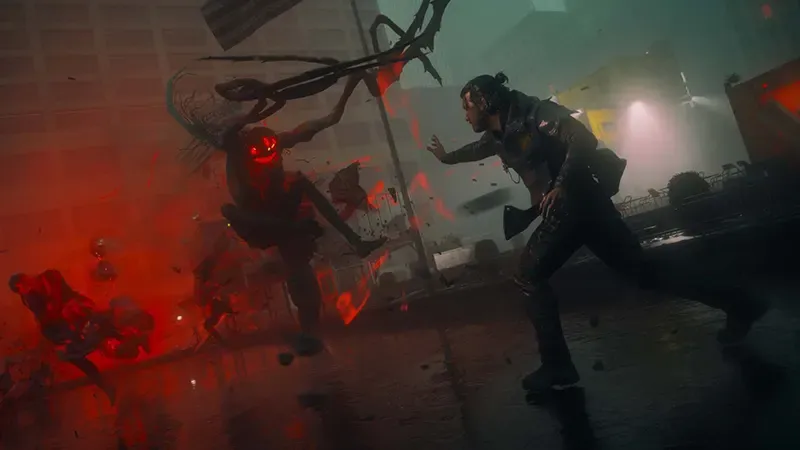
Players who bounced off the first hours came back after a hotfix that made enemies less spongy, and after an assist mode that let people tune the fight.
But reviews aside, the game is actually slower than the chart talk.
While Resonant borrows bits from Remedy's breakthrough game title Max Payne, this Resonant game is still a Control game, which means the world is built out of memos, redacted files, threat assessments, and stray paper. Enemy logs sit in their own tab after you fight a type.
Side stories hide in workplace notes, including a romance that plays out across logs while the city is coming apart.
Reading is optional. Skipping it means missing how the Bureau talks to itself. That texture is part of why people who like Remedy games talk about this one as if the studio’s voice is the product.
But then comes the pirates.
When new titles are released, piracy becomes part of the launch conversation almost immediately. For Resonant, however, things are rather different.
While playable Steam builds leaked about a day before the digital release, PS5 Digital Deluxe buyers already had a 48-hour head start, and that cracks followed on schedule, what did not follow the usual pattern were the replies.
On piracy forums, especially on the Reddit threads for pirated games that announce a crack, users started telling each other to pay if they could.
One widely quoted comment asked people, for the love of god, to buy the game and help keep the lights on at a studio they called one of a kind.
Another called it one of the few games they would actually purchase, framing Resonant as make or break after Alan Wake 2 took more than a year to turn a profit and FBC: Firebreak faded fast.
Those posts are not a market. They are a mood. The leak still exists. The unusual part is that the same rooms that host the leak also filled with arguments for a $60 checkout.
That mood has a reason that is easy to overstate and hard to ignore.
Remedy owns this sequel and keeps the sales. Fans know the last few years were uneven. Wishlist counts before launch sat in the millions. None of that proves the studio was days from closing, and treating forum panic as a balance sheet is sloppy.
It does explain why a cracked build did not kill the conversation.
People who already play this kind of strange single-player game decided the launch week was a referendum on whether Remedy still gets to make the next one. Buying became a public stance, which is why the pirate threads traveled farther than another screenshot of a floating building.
Virality here is not a trailer hitting a billion views.
It is a chart position, a peak player count that embarrassed the first game’s Steam history, a publisher the size of Rockstar tapping the glass, and a corner of the internet that usually extracts value deciding, out loud, to put money back in.






















































































































































































































































































