Most tech companies that run through the web set up offices in multiple countries other than the country their main headquarters are located.
However, unlike most brick-and-mortar businesses, tech companies on the internet don't usually have offices in all countries they operate. For various reasons, this allows them to evade paying taxes, or circumvent laws that may affect their business.
And in Nigeria, Twitter is banned because of this.
Nigeria President Muhammadu Buhari said that Twitter shall not be banned, if and only if it can meet certain conditions.
He said that he have made ten requests, but the country and Twitter only reached an agreement on seven of them.
And among those, include Twitter cooperating with the Nigerian government to set up a local office in the country, pay tax, and cooperate with the Nigerian government to regulate content and harmful tweets.
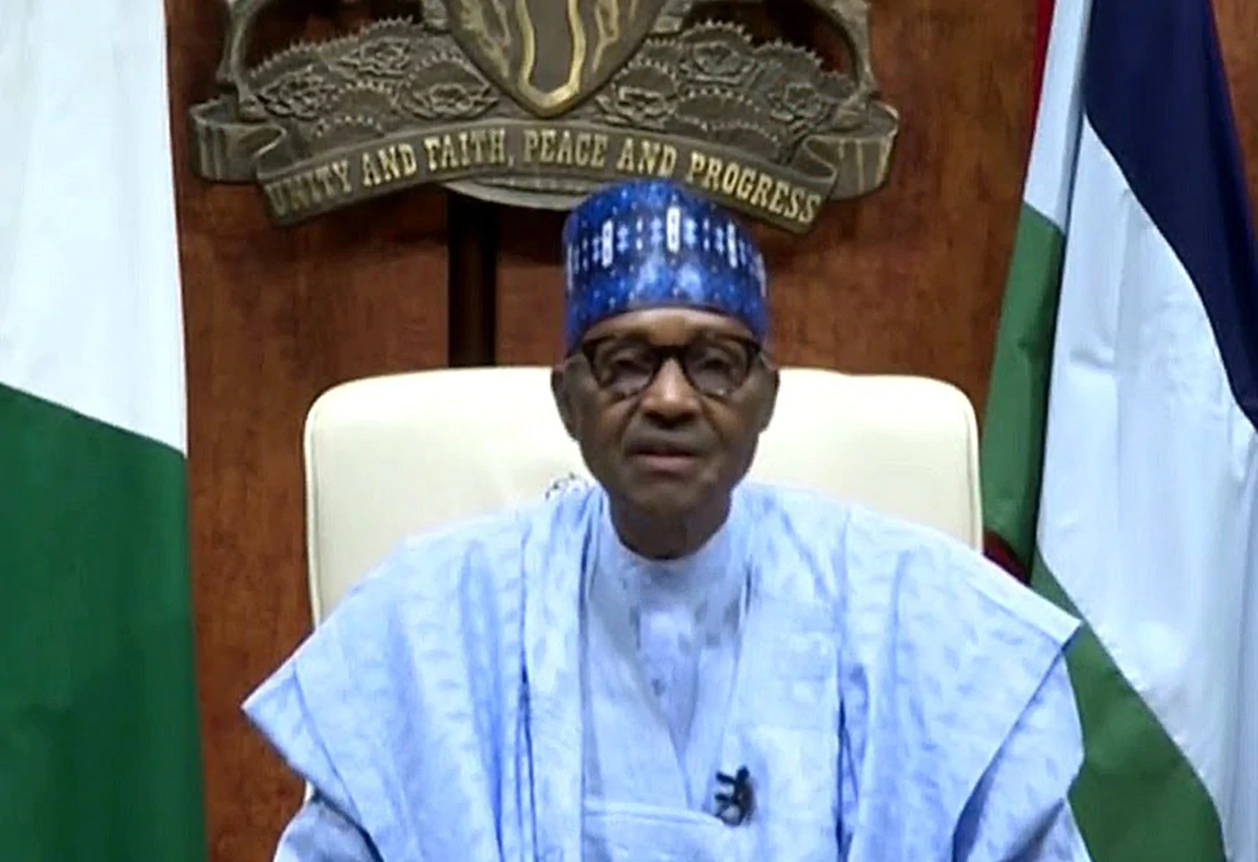
He acknowledged the fact that Twitter is used to disseminate information.
However, he also knows that it's no secret that Twitter is also widely used to “organize, coordinate, and execute criminal activities, propagate fake news, and promote ethnic and religious sentiments.”
The President warned that there are many bad actors who misuse Twitter.
The turning point was when Twitter deleted a controversial post from the President who it thinks was threatening to punish regional secessionists.
Following that, Nigeria began suspending Twitter in the country on June 5, with the President saying that the move allowed the government to put strict measures in place to address these challenges.
The plan to reinstate Twitter was in talks in August.
But because nothing much has changed since that time, despite increasing pressure from the international community and several activists who said that the move stifle freedom of expression, President Muhammadu Buhari on his televised broadcast to Nigerians on the country’s 61st Independence Day anniversary, expressed his stance in a more nuance manner.
He said that the committee he set up, alongside the nation’s technical team, have engaged Twitter to discuss five issues — national security and cohesion, registration, physical presence and representation, fair taxation, dispute resolution, and local content.
If Twitter agrees to meet the said requirements posed by the Nigerian government, Twitter should be allowed to conduct its business in the country.
“Following the extensive engagements, the issues are being addressed and I have directed that the suspension be lifted but only if the conditions are met to allow our citizens to continue the use of the platform for business and positive engagements,” he said.






















































































































































































































































































