The rapid trajectory of modern technology often turns today's high-flying innovators into tomorrow's cautionary tales.
In the world of AI, where sky-high valuations and explosive user adoption often mask fragile business models, success can vanish almost as quickly as it arrives. What begins as a breakthrough concept capable of captivating millions can rapidly unravel when confronted with massive infrastructure expenses, relentless regulatory pressure, and complex legal challenges.
Character.AI was founded in November 2021 by former Google researchers Noam Shazeer and Daniel De Freitas.
It quickly gained traction, and that its initial popularity made it reached a billion dollar in valuation.
Then things quickly spiraled.
When Character.AI was founded, the founders brought impressive credentials to the venture.
Having previously worked on Google's advanced language model LaMDA, they set their vision in creating an interactive platform where users could chat with conversational AI agents tailored after historical figures, fictional personalities, or user-created custom personas.
Launched publicly in September 2022, the platform instantly struck a chord with younger demographics, amassing millions of active daily users who sought companionship, entertainment, and creative interaction through the interactive chatbots.
But then came the first issue: operational cost.
Just like any other AI labs, Character.AI faced with an immense computational cost, resulting in staggering server and operational expenditures that vastly outpaced incoming revenue.
Making things worse, the startup was swept up in intense legal and societal turbulence.
Character.AI faced severe wrongful death lawsuits, including high-profile cases like Garcia v. Character Technologies, Inc., following tragic suicides of teenage users who formed emotional attachments to chatbots. A landmark 2025 federal court ruling rejected the company's Section 230 defense, establishing that conversational AI software could be held strictly liable for defective product design and failure to warn. Coupled with allegations of privacy violations under COPPA and copyright disputes over user-created trademarked personas, the legal costs and liabilities became insurmountable.
Although 18+ adult and explicit sexual content was officially banned by strict NSFW filters, user workarounds and inconsistent moderation frequently allowed suggestive or inappropriate exchanges to occur.
This gap between official policy and platform safety compounded regulatory scrutiny and legal exposures.
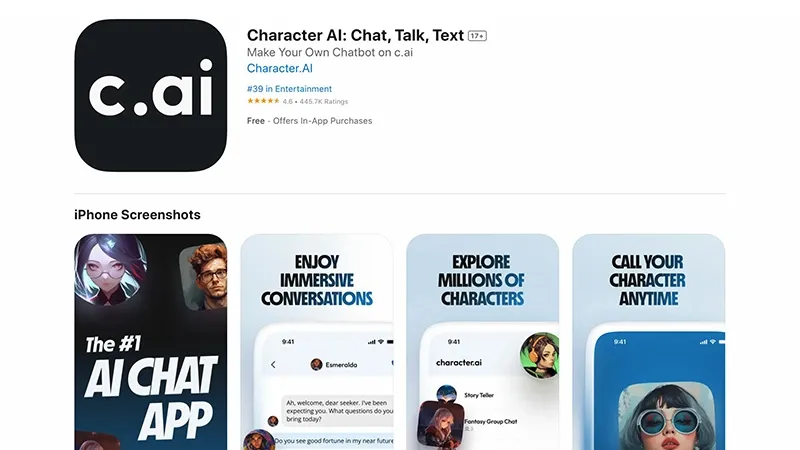
Unable to absorb rising legal defense expenditures, massive compute costs, and looming operational liabilities, Character Technologies, Inc., the company behind Character.AI officially filed for Chapter 11 bankruptcy protection in the U.S., signed by CEO Colin Adams, who stepped into the role shortly before the petition was signed.
As part of the court-supervised reorganization, Walt Disney stepped to buy its assets for $20 million.
While the platform attempts to remain operational during the asset auction, failure to secure an actionable buyer for the broader business could lead to a permanent wind-down of the consumer service.
This high-profile collapse provides a sobering snapshot of the broader generative technology landscape.
It illustrates that user engagement alone is insufficient to support heavy computational infrastructure when shadowed by liability risks.
As asset auctions proceed, the story serves as a stark reminder that even the most celebrated pioneers of artificial intelligence remain vulnerable to the harsh commercial realities of high operating costs and complex legal frameworks.
The restructuring process introduces an uncertain future for the millions of loyal users who built elaborate relationships and stories within the platform.

While court-supervised protections allow the infrastructure to keep running temporarily, the long-term survival of the service depends heavily on whether alternative buyers emerge during the auction window.
If a higher bidder steps in to absorb the operational platform, the community might find a path forward, but a failure to attract a comprehensive buyer will likely trigger a complete wind-down and the permanent erasure of years of digital interactions.
This unfolding chapter underscores a harsh reality for the wider generative AI ecosystem, proving that eye-watering valuations and viral growth can easily evaporate under the weight of structural burn rates and legal accountability.
As regulatory bodies and lawmakers increasingly scrutinize conversational bots and their impact on vulnerable populations, startups everywhere are being forced to rethink how they manage safety and monetization.
Ultimately, Character.AI's stumble from a celebrated industry darling into a court-managed asset sale stands as a defining cautionary tale for an entire generation of technology builders.






















































































































































































































































































