The United Nations (UN) suffered a critical security breach in its networks back in 2019.
As an intergovernmental organization responsible for maintaining international peace and security, developing friendly relations among nations, and achieving international cooperation, it subsequently tried to cover up the attack. It didn't hit the news until a an internal document was leaked and obtained by The New Humanitarian and reviewed by AP.
It was revealed the hackers compromised at least a dozen servers belonging to the UN.
The extent of the breach was not detailed, but reports suggested that the hackers were able to pull a 400GB worth of data. The attack affected the servers of the UN’s Vienna and Geneva offices, as well as its Office of the High Commissioner for Human Rights.
To penetrate its systems, the hackers were said to have exploited a flaw in Microsoft’s SharePoint software, using an unknown type of malware.
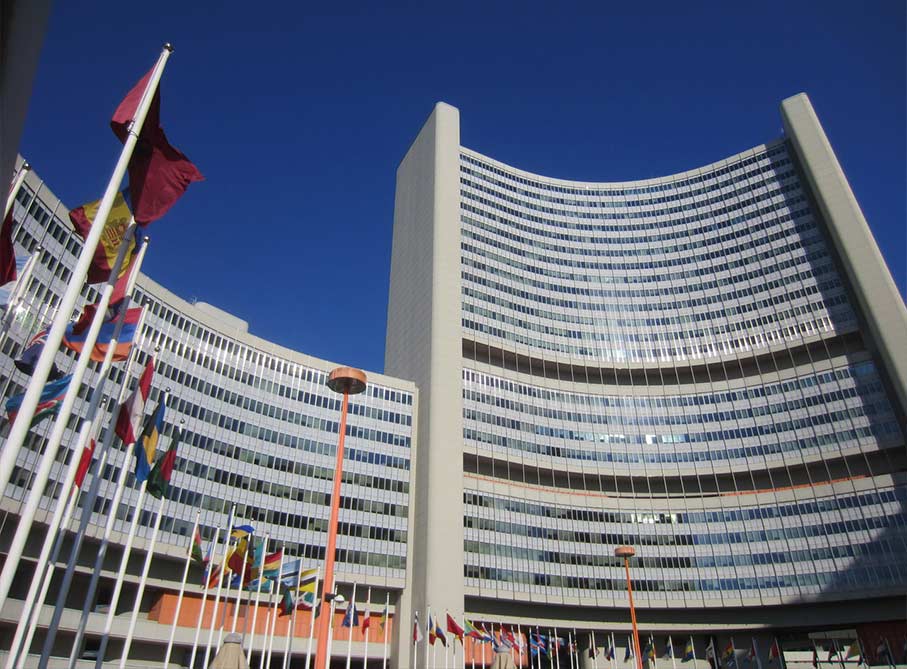
According to UN spokesperson Stéphane Dujarric to The New Humanitarian:
The UN also couldn’t identify the scope of the breach as the hackers deleted the activity logs.
“It’s as if someone were walking in the sand, and swept up their tracks with a broom afterward,” explained a UN official to AP under the condition of anonymity. “There’s not even a trace of a clean-up.”
The first time the UN realized about the security breach, was back in August 2019.
“We are working under the assumption that the entire domain is compromised,” said UN technicians said in a memo sent on August 30, 2019. “The attacker doesn’t show signs of activity so far, we assume they established their position and are dormant.”
Unfortunately, the memo was sent solely to the UN’s tech teams. What this means, the news about the breach only got to the employees later in September, when it was presented as “infrastructure maintenance work.” At the time, employees were asked to reset their passwords.
“Staff at large, including me, were not informed,” said Ian Richards, president of the Staff Council at the United Nations. “All we received was an email informing us about infrastructure maintenance work.”
The officials then opt to avoid disclosing the security breach, as incidents like this are often considered an offense by experts, who argue the lack of accountability only create risk of further attacks. And due to its diplomatic status, the UN is under no obligation to disclose such breaches.
This isn't the first time the UN became a victim of hackers.
Previously, a Chinese-sponsored hacking group managed to access the servers owned by the UN back in 2016. The data the hackers stole included data of nearly 2,000 UN staffers.
Just like the 2019 incident, the UN tried to keep this incident away from the public, too, according to CBC.