Imagine waking up one morning and realizing a simple piece of paper you once wrote a password on is gone. Not a big deal most of the time. People forget passwords every day. No big deal.
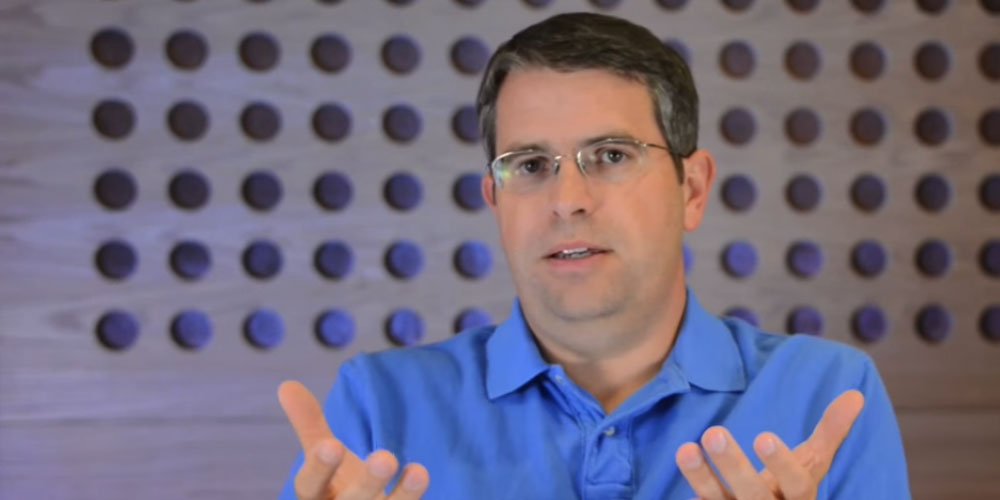
For German programmer Stefan Thomas, however, that lost piece of paper was a life-altering disaster.
Back in 2011, early developer Gavin Andresen commissioned Thomas to create a short animated video titled "What is Bitcoin?" to introduce the cryptocurrency to the world. Thomas uploaded the video to WeUseCoins, an educational platform he co-founded, and received 7,002 bitcoins as payment for the project, an amount worth only a few thousand dollars at the time.
He stored them securely inside cold storage, wrote the password on a piece of paper, and went about his life.
Then the paper vanished. And as Bitcoin’s value skyrocketed into hundreds of millions of dollars, Thomas realized the horrific reality of his situation: he had forgotten the password, and only ten attempts stood between him and total financial ruin (or gain).

When Thomas first received the payment, Bitcoin was only a couple of dollars each for much of the year, sometimes even less. What this means, the payment felt modest rather than life-changing.
When the paper vanished, Thomas tried using his backup copies, but they failed due to a software bug and an accidental overwrite.
Left with no physical or digital recovery notes, he began guessing the password from memory using common variations.
Eight guesses failed.
Because the device permanently erases its memory after ten wrong entries, he was left with only two attempts. Notably, those initial wrong guesses happened early on simply because he lost his notes, long before the coins became a massive fortune.
Thomas was not a beginner who stumbled into cryptocurrency.
He was an early pioneer who created BitcoinJS, a foundational tool allowing browser-based Bitcoin cryptography that projects still use today. He later served as chief technology officer at Ripple, co-created the Interledger Protocol for cross-network payments, founded the web monetization platform Coil, and worked on financial access projects with organizations like the Bill and Melinda Gates Foundation.
In other words, Thomas was already a technical expert expected to handle digital assets safely.
But this time, he was dealing with a different breed of problem.
The device standing between Thomas and his fortune was an IronKey S200, a device that looks so innocent but now turned so intimidating.
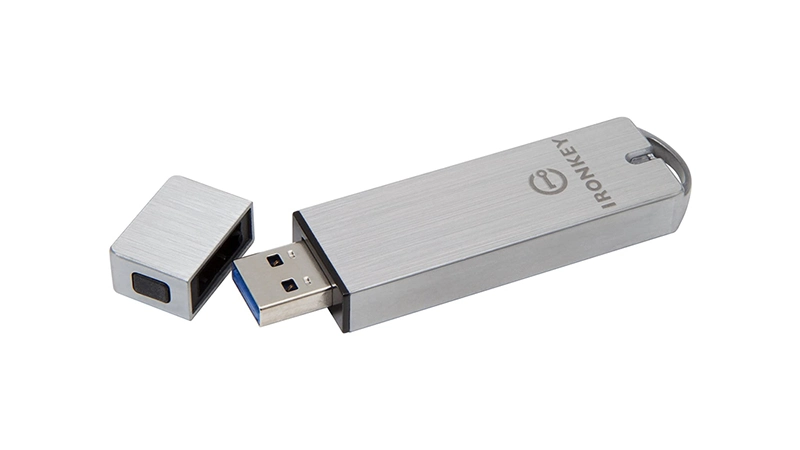
While it shared the dimensions of an ordinary thumb drive, its engineering was vastly different.
Built with U.S. government funding and holding a high-level FIPS 140-2 Level 3 security certification, the metallic drive relies on an onboard chip to execute hardware-level encryption. If someone attempts to physically force open the casing, the device destroys its internal components. Furthermore, the manufacturer confirmed there is no master password, back door, or reset function.
The story gained global attention following a 2021 New York Times article titled "Lost Passwords Lock Millionaires Out of Their Bitcoin Fortunes", which revealed Thomas had only two guesses left.
At the time, his holdings were valued at around $220 million.
To prevent accidental self-destruction, Thomas stopped guessing altogether.
His story brought a flood of offers.
In 2023, a recovery firm named Unciphered claimed that they managed to reverse-engineered the exact 2011-era IronKey S200 model and found a way bypass the password limit to run 200 trillion password combinations without triggering self-destruction.
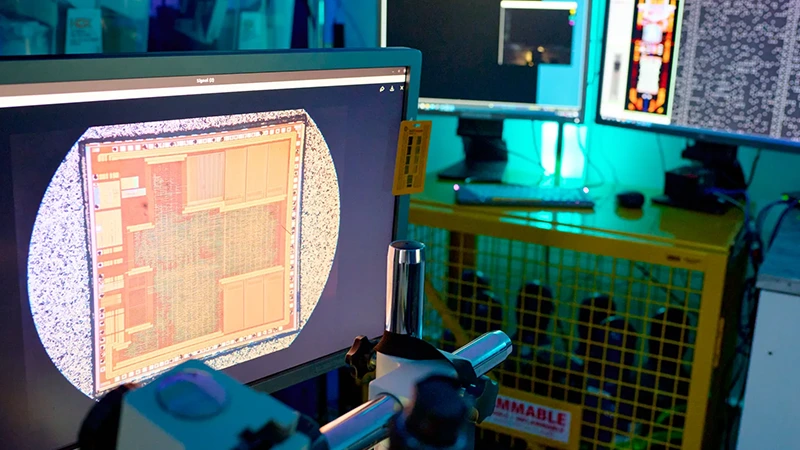
They offered to crack Thomas's device, but he declined.
Thomas explained that he had already made informal agreements with digital forensics firm Naxo and chip security researcher Chris Tarnovsky, alongside concerns about handing over the physical device.
The value of the coins has fluctuated dramatically alongside market cycles.
Thomas recounted the early psychological toll, describing nights spent lying awake trying to formulate passwords, only to feel crushed when they failed. Eventually, he placed the IronKey inside a Swiss vault.
The experience shifted his views on pure self-custody.
He noted that just as people do not make their own shoes or manage traditional banking infrastructure, institutions exist for good reasons. Rather than dwelling on the locked assets, he focused his public career on open payment protocols.
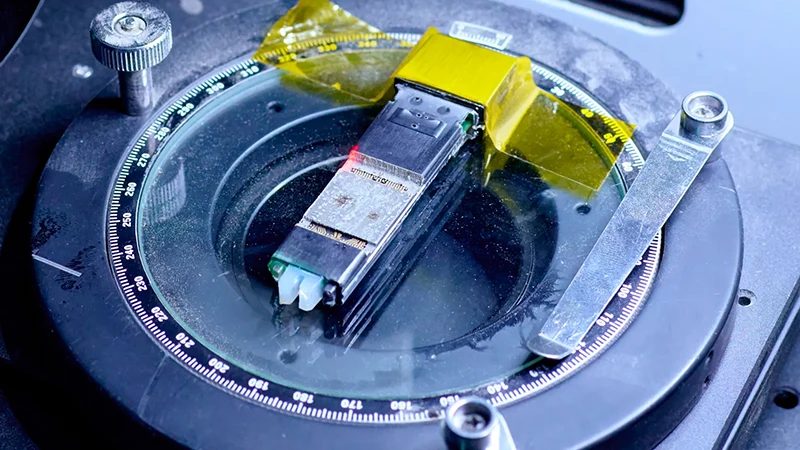
While the news continue to suggest that Thomas had never cracked it open, some began to wonder whether the drive was quietly opened without a public announcement.
A owner controlling that much wealth might choose privacy for security or tax reasons.
However, public blockchain ledgers show the 7,002 bitcoins sitting unmoved, recent reports confirm the case remains unresolved, and the manufacturer maintains that only the original password works.
Unciphered's method remains an untested claim on this specific drive. For now, the remaining two guesses and potential hardware-level cracking are the only theoretical paths forward. Whether those steps are ever taken remains unknown.
Some wonder if future quantum computers could solve the problem.
Quantum machines may eventually challenge elliptic-curve cryptography, but that offers little help here. The coins are locked because the keys sit encrypted behind an IronKey chip that wipes data after ten wrong tries.
Quantum processing does not bypass the hardware attempt counter or restore erased storage. Right now, the physical drive design and the strict password limit remain the primary obstacles.