In the summer of 2023, a San Francisco photographer was thousands of miles from home, standing among the flashing lights and mechanical sounds of pinball machines at a large tournament outside Edmonton.
Gene X. Hwang had spent years competing in the game he loved, and the weekend at YEGPIN was supposed to be just another trip.
When he landed back in California a couple of days later and turned on his phone, the messages had already started piling up. People were asking what had happened to his account.
The username he had used since the early days of Twitter was gone.
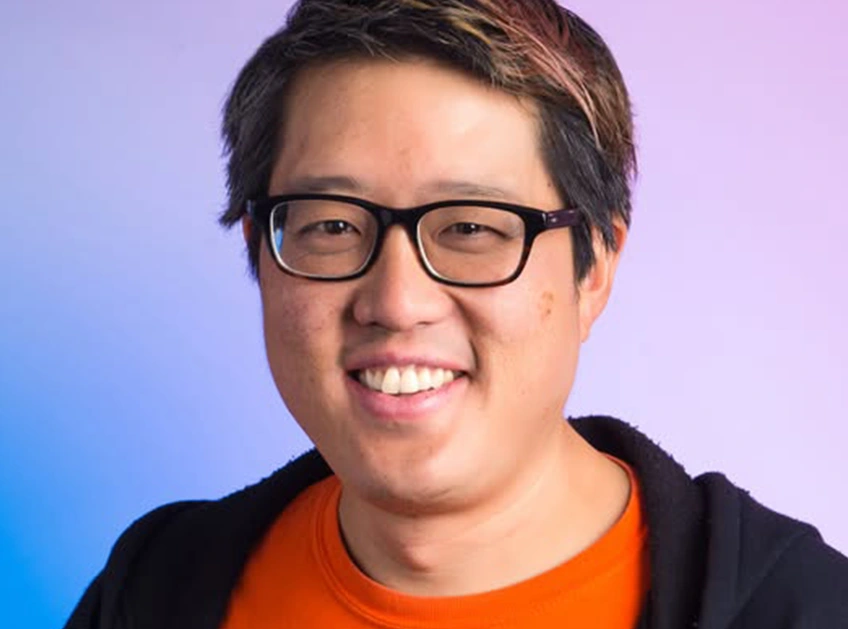
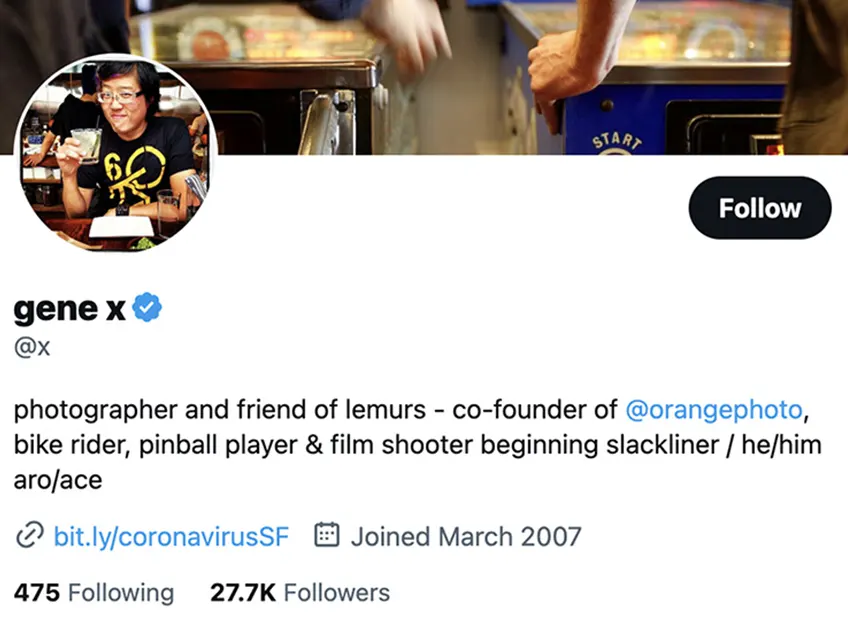
Hwang registered @x in 2007, not long after the platform launched, when single-letter usernames were still available.
He co-founded Orange Photography, an event photography company, and used the account for both his personal life and his work. Over the next 16 years, the profile gained around 53,000 followers.
The username, with no explanation needed, was extremely valuable.
A single letter is about as short as a username can be, and the letter "x" is one of the most recognizable letters in the alphabet. There are only 26 possible one-letter usernames, making them extremely rare on a platform with hundreds of millions of users.
People have offered money for it, with one bid $40,000 for the handle. Hwang didn't budge.
This is because for him, @x was more than just a valuable username. It was an identity he had used for 16 years. Friends, followers and people in the photography and pinball communities knew him by it.
But while he was away at the tournament, something had changed.
Twitter had taken the username away from him.
When Hwang returned home, his account was still there, along with his followers and posts. But @x was gone.
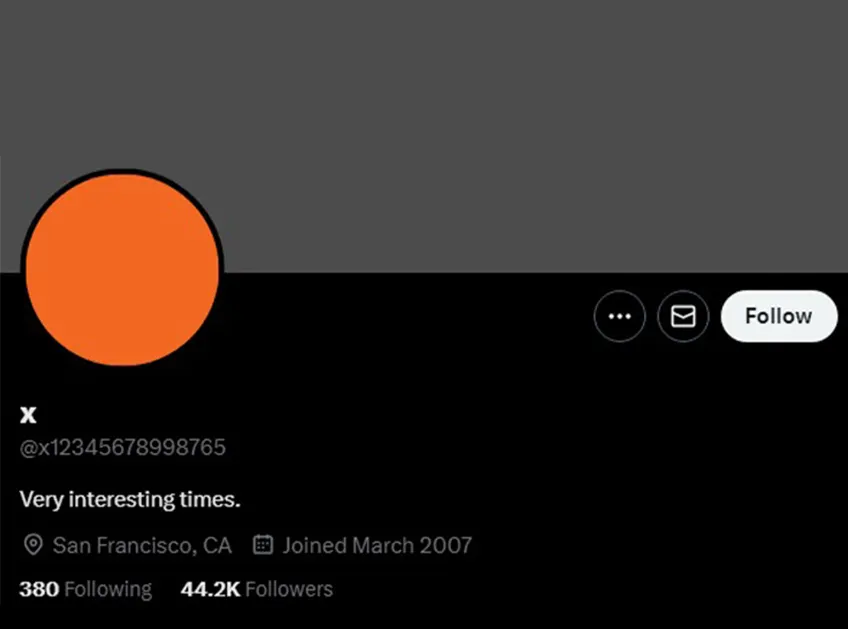
The username had been replaced with a string of numbers: @x12345678998765, leaving him with an account that was technically his but no longer carried the identity he had built around it.
The change came at a significant moment for Twitter.
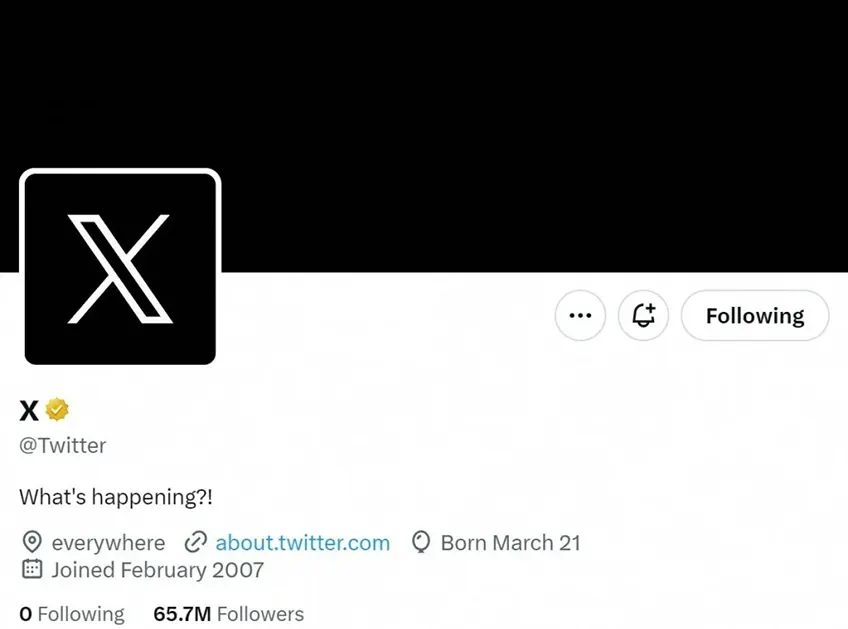
Elon Musk had bought the company less than a year earlier and was beginning to transform the platform. In July 2023, Twitter changed its name to X, replacing its familiar blue bird logo with the letter that Musk had long been associated with.
That made Hwang's username particularly important.
The company now wanted to use the same single letter that Hwang had owned on the platform since 2007.
But Hwang had not offered to sell it. He had not given it up. And he had not agreed to change it.
The username was simply taken from him.
Instead of financial compensation, the company offered him a collection of branded merchandise, an exclusive tour of their headquarters, and an opportunity to meet members of the executive team.
That's all.
Hwang later mentioned that he would have been completely open to negotiating a fair deal if someone from the company had reached out to him beforehand. However, no one ever did. He even made a lighthearted request to take home the original blue bird sign that workers were unbolting from the side of the building, but the company turned him down.
The morning after losing his long-held username, he logged onto the platform and posted a brief message from his newly assigned handle: "Alls well that ends well."
In subsequent interviews, Hwang maintained a calm perspective, expressing that while he was not particularly surprised by how things unfolded, receiving some form of monetary compensation would have been a courteous and reasonable gesture.
Ultimately, the situation highlighted a reality written directly into the platform's terms of service: users do not actually own their usernames.
Social media handles are merely borrowed at the discretion of the platform, leaving the company free to reclaim, rename, or reassign them whenever they see fit.
Yet, that strict legal framework did little to soften the frustrating practical reality.
Gene Hwang had spent more than a decade building a recognized public profile, gathering tens of thousands of followers, and holding onto an asset that had attracted real-world offers in the tens of thousands of dollars.
Overnight, all of that built-up digital history was summarily reclaimed, exchanged only for a handful of t-shirts and an invitation to walk through the company offices.