The internet is a lot of things. But rarely does something manage to keep its visibility and its virality after the people who first printed it have moved on, the links have died, and the town it supposedly happened in has never once confirmed it.
This one did.
For years a single Moscow tabloid item about a salon, a robber and a heater has kept crawling back into timelines, each time wearing a new date and a new pair of surnames, each time offering the same sticky pictures: a woman who fights, a man who is tied, a pill that keeps him useful.
It all began on 14 April 2009, when the Moscow tabloid Life.ru published a piece that read less like a police blotter and more like a dirty joke someone had decided to typeset.
The piece was sensational.
The internet loves that.
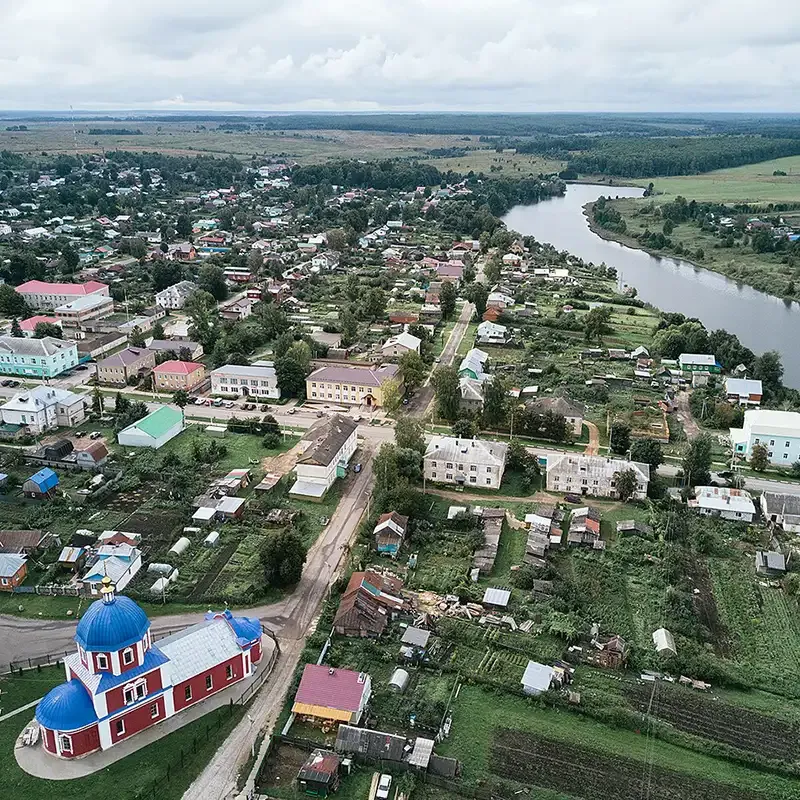
In the little Kaluga town of Meshchovsk, it said, a 32-year-old man named Viktor Ya. walked into a salon on a Saturday afternoon with a pistol and shouted at everyone to get on the floor.
The owner, 28-year-old Olga, a yellow belt in taekwondo, took off her apron with the day's earnings in the pocket and told him to take it. He stepped in. She hit him, threw him, tied him with a hairdryer cord, gagged him and carried him to a room at the back of the salon.
She told the stunned colleague and two clients that the police were on the way.
The police never came.
At 7 p.m., an hour after closing, she walked back in and told him to take his underwear off.
She cuffed him to the heater with pink fluffy handcuffs, gave him Viagra and used him for three days. She literally spent him.
On the evening of 16 March she turned him loose with the line that she never wanted to see him again.
He went to hospital for a torn frenulum. With the evidence, he went to the Meshchovsk police station to file a rape complaint. The next day, the woman also walked in, and filed a robbery complaint of her own.
Reports say she was furious he had talked.
Yes they had sex a couple of times, she said, but she had bought him new jeans, fed him, given him drink, even washed his clothes, and pressed a thousand rubles into his hand when he left.
An unnamed officer at the station laughed that both could go to prison, him for robbery, her for rape and battery, and that it was a pity they would not share a cell because they would make a nice couple.
That was the whole original file.
First names only. No scanned complaints. No officer named. No case number. No photograph that belonged to that street.
Life.ru in those years specialized in this tone, the curious crime written like a short story, dialogue reconstructed, the cop on hand for a punchline.
The Moscow Times picked the story up the next day and said the only true thing available: this was either the weirdest Russian crime of the year or a new low in yellow journalism.
The internet digested it differently.
If the file had been real, Meshchovsk would have talked. An armed hold-up in a salon, four witnesses, three days of captivity, a hospital visit for a torn frenulum, and two counter-complaints at the only station in town is not a story a place that size swallows.
The regional paper that covered the town fair, the flower beds and the broken pavement printed nothing. Kaluga police put out no statement. No court list ever produced Viktor Ya. or Olga.
No local later appeared on a forum to say they knew the shop.
The silence from the town that should have been unable to shut up is still the loudest document in the case.
The story should have ended as a one-morning tabloid curio with a pink cuff in it.
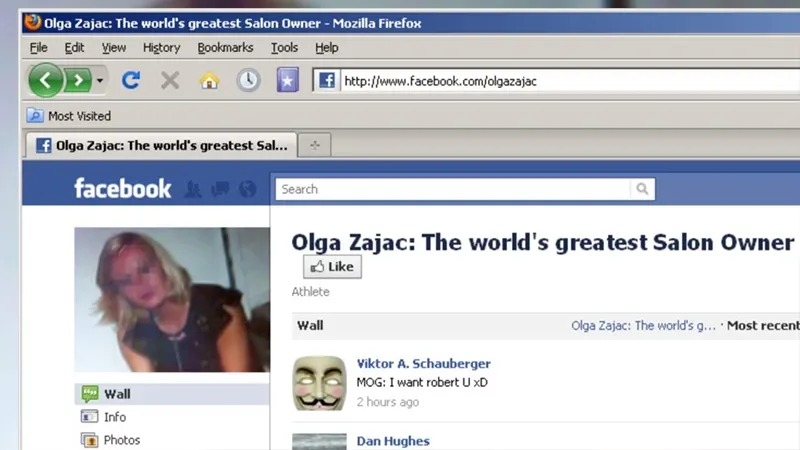
In July 2011 the Daily Mail lifted it, wrote it as if it had just happened, and hung last names on the pair that no 2009 Russian text had used: Viktor Jasinski and Olga Zajac. The yellow taekwondo belt became a karate black belt. Within days Gawker had a version, Metro followed, and sites in India and Australia ran something similar.
Then the pictures started to change.
The first wave used a blurry blonde with the face blocked. Later posts dropped the blur. Later still, the blonde was gone and a studio headshot sat in her place, while a tattooed man in a hospital gown was offered as Viktor, replacing a man who was originally described as a rower. None of those frames came from a Meshchovsk police file. One later Russian reprint even dumped the scene in the Amur region, a country of distance from Kaluga.
It spread because geography was never the product. The product was the image.
A woman in a salon. A man tied to a heater. A Viagra pill. Three days. A torn frenulum. New jeans. A thousand rubles. Later tellings did not need a new case. They needed a louder old one, so they added a kick between the legs, swollen testicles, a Pulp Fiction gag, full names, fresh faces, and a year stolen from a webpage footer.
In other words, the case is a local tabloid story that learned how to leave town. It put on English surnames, borrowed photographs that belong to nobody in Meshchovsk, and kept walking. The salon, if it ever existed, did not have to stay open. The story did.




















































































































































































































































































