The 'COVID-19' coronavirus is hitting many countries hard. Some survive, some can cope, and others struggle.
Indonesia is the archipelago nation in the Southeast Asia.
As one of Asia's biggest economy, it is still impacted by the crisis. The country experiences a economic downturn resulting from the COVID-19 pandemic.
One of the solutions, is the government encouraging middle-income people to spend more of their time and money, on e-commerce platforms of their choice, to help ensure a stable economy for the nation.
According to national economic recovery committee head Budi Gunadi Sadikin, in a press conference at the Presidential Palace in Jakarta:
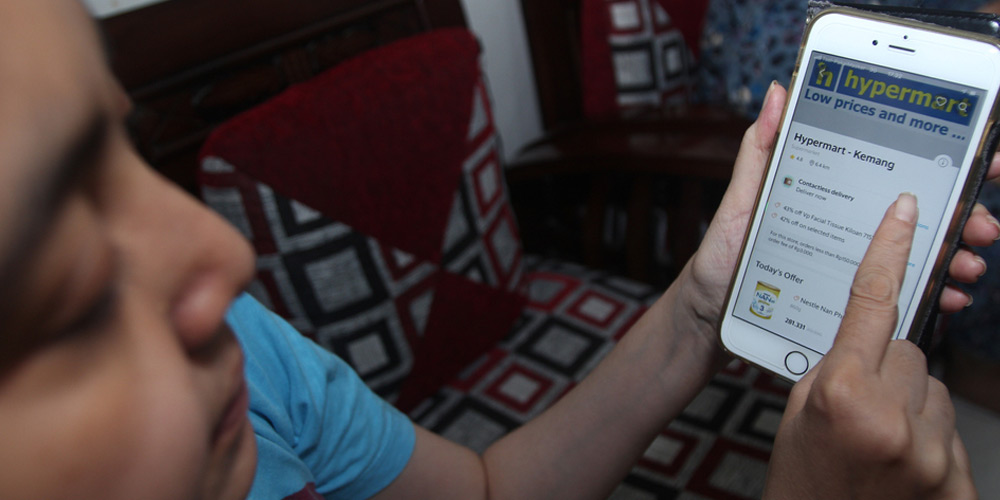
This can be done, considering the safety and security that should be reinstated during these uncertain times.
With much of the public are already feeling comfortable in buying things on the web through e-commerce platforms, they can adhere to the health protocols by limiting their time in public.
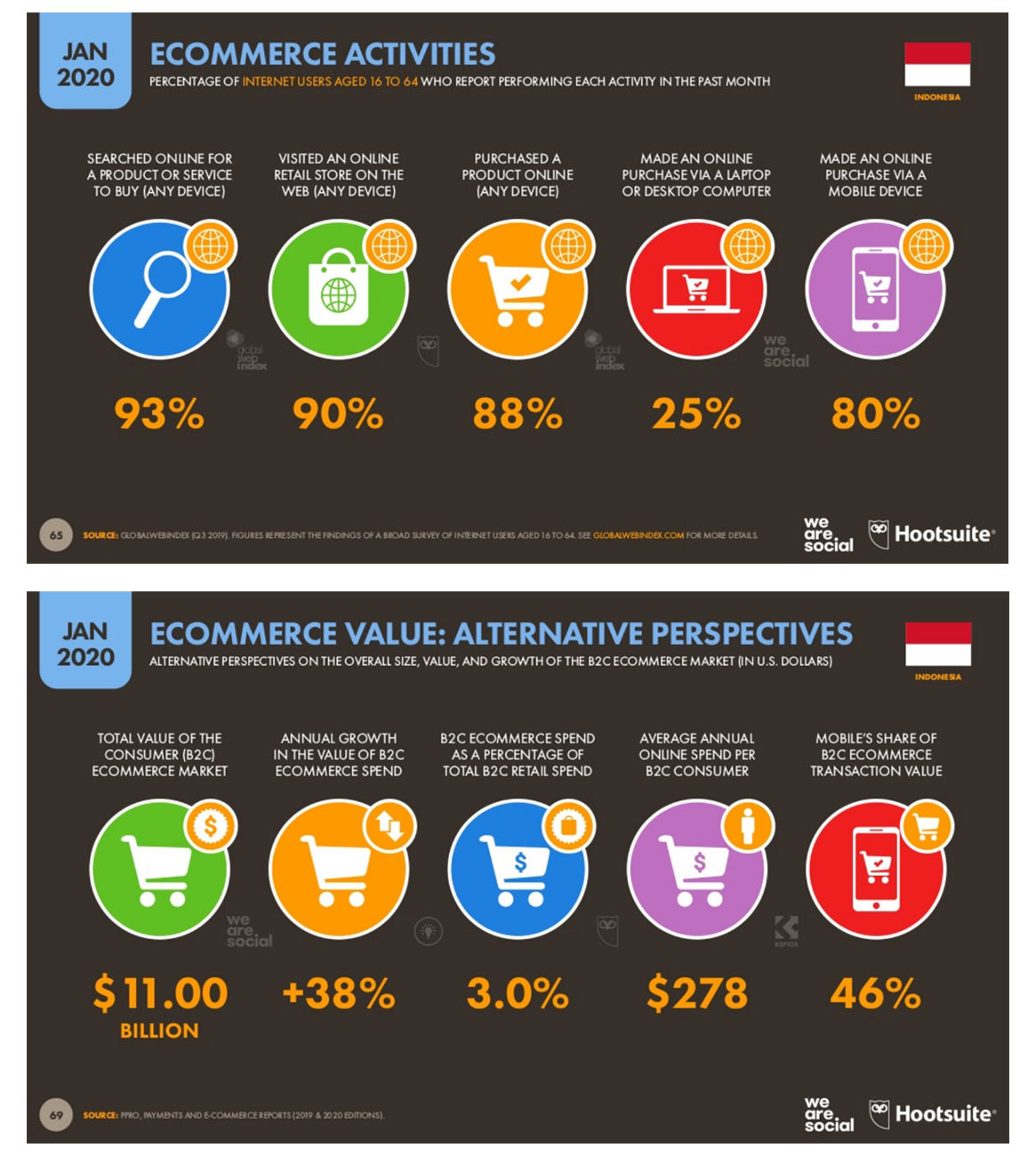
Indonesia's e-commerce is huge, and is predicted to surpass India's.
According to management consulting company Redseer, it is projected that Indonesia’s online retail gross merchandise value (GMV), which indicates overall sales value, to surpass India’s this 2020, driven by a new cohort of e-commerce users amid the pandemic.
Redseer Southeast Asia partner Roshan Raj Behera said Indonesia’s 2020 e-commerce GMV will reach $40 billion by the end of 2020, to become the third-highest in the world and higher than India’s predicted $38 billion.
“Many people in Indonesia are looking to e-commerce platforms during the COVID-19 pandemic, and most of them will continue to spend money online,” said Roshan Raj Behera to The Jakarta Post in September.
While crisis that is caused by the pandemic creates more problems than it brings solutions, it does force humans to move away from their comfort zones, to experiment and experience new things.
One of which, is the accelerated adoption of technologies.
By adopting technologies to communicate and to commerce, more and more consumers can enjoy the products and services delivered right to their doorstep with a click of a finger.
And this trend is helping businesses recover during this downturn.
E-commerce was already a social norm in Indonesia, where unicorn companies like Tokopedia and Bukalapak as the largest online storefronts in the country. Overall, the two and others has grown Indonesia's online shoppers from 75 million before the pandemic, to 85 million.
With a potential sales to surpass $40 billion at the end of 2020, the country’s burgeoning e-commerce industry is only getting started.
Indonesia’s e-commerce sector has doubled every year for the past three years, and is projected to grow eight times by 2022. And as more of the tech-savvy population contribute to this exponential growth, the figure is expected to grow to almost 100% in 2025.
Manufacturers, businesses and consumers are already part of this journey. And here, the government also wants to come along.
Budi Gunadi Sadikin added that the government has prepared a number of incentives to help improve the economy.
This includes a credit program and a stimulus scheme for small and medium enterprises (SMEs), in order to improve domestic trading as many people had chosen to save their funds because of the ongoing coronavirus crisis.
The government has also provided monthly financial aid to workers earning less than Rp 5 million ($340.25) per month to improve their purchasing power. The funds totaling Rp 600,000, are transferred directly to those employees’ respective bank accounts once every two months.
“The only funds that could move [the economy] are state funds; the private sector is currently idle,” said Vice President Ma’ruf Amin in a separate occasion.
He said that state funds were essential to ensure a healthy economy, given that many in the private sector had been battered by the COVID-19 emergency.
The senior cleric said that as many as 9.6 million SME owners had received financial aid throughout the first phase of the program in September, with the government expecting 12 million SMEs to receive the aid by December.
If more people can spend more of their money to commerce through the internet, this can change. Private sectors can regain momentum, and again help contribute to the economy.






















































































































































































































































































