Facebook on its own is already large enough. With Instagram and WhatsApp also under its control, Facebook is nothing the web has ever seen before.
And here, forty-eight attorneys general from 46 states in the U.S. and two territories and the Federal Trade Commission (FTC) have filed an antitrust lawsuit against the company, accusing it for illegal monopoly power and an “unlawful scheme” to stifle competition, degrade personal privacy, and crush rivals,
“For nearly a decade, Facebook has used its dominance and monopoly power to crush smaller rivals and snuff out competition, all at the expense of everyday users,” said New York Attorney General Letitia James in a press conference announcing the action.
“By using its vast troves of data and money, Facebook has squashed or hindered what the company perceived as potential threats.”
James then added that Facebook's “unlawful scheme” has reduced choices for consumers and “degraded privacy protections for millions of Americans.”
According to FTC's statement on its website:
The FTC is seeking a permanent injunction in federal court that could, among other things: require divestitures of assets, including Instagram and WhatsApp; prohibit Facebook from imposing anticompetitive conditions on software developers; and require Facebook to seek prior notice and approval for future mergers and acquisitions.
The suit involves all of the company’s properties, as well as Facebook‘s alleged imposition of anti-competitive practices on software developers.
The notice goes on to state that the U.S. government seeks an injunction that would force Facebook the company to divest from those and potentially other properties and prevent it from acquiring new companies without federal permission.
“Personal social networking is central to the lives of millions of Americans,” said Ian Conner, Director of the FTC’s Bureau of Competition.
“Facebook’s actions to entrench and maintain its monopoly deny consumers the benefits of competition. Our aim is to roll back Facebook’s anticompetitive conduct and restore competition so that innovation and free competition can thrive.”
As the social media giant of the web that controls pretty much of people's online activities, Facebook is no stranger to lawsuits.
With its huge resources, influence, power and market dominance, Facebook knows that dealing with lawsuits from time to time would be inevitable.
In this case, a statement, Jennifer Newstead, Facebook's Vice President and General Counsel, called the lawsuits' allegations "revisionist history."
"Instagram and WhatsApp became the incredible products they are today because Facebook invested billions of dollars, and years of innovation and expertise, to develop new features and better experiences for the millions who enjoy those products," she said.
"The most important fact in this case, which the Commission does not mention in its 53-page complaint, is that it cleared these acquisitions years ago. The government now wants a do-over, sending a chilling warning to American business that no sale is ever final."
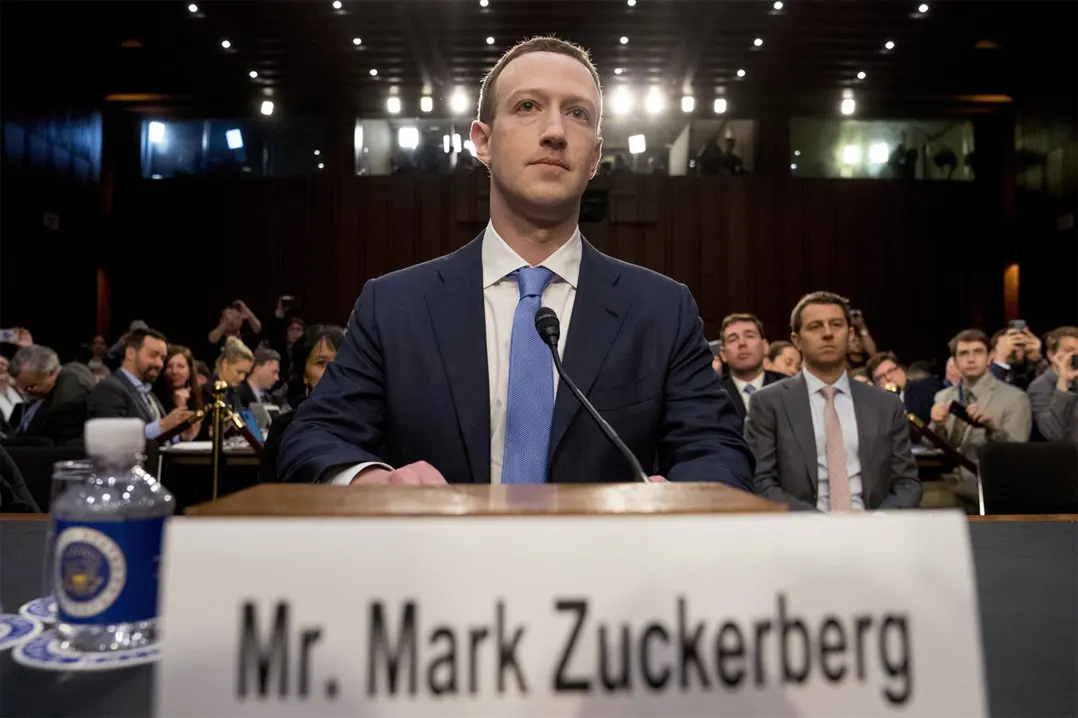
And after the news about the antitrust spread, founder and CEO Mark Zuckerberg made an internal announcement, saying that he was "limited in discussing specifics of these cases."
"Overall, we disagree with the government's allegations and we plan to fight this in court," Zuckerberg wrote.
The CEO also noted how Facebook competitors like Google, Twitter, Snapchat, TikTok and others are also having "hundreds of millions or billions of users," suggesting that Facebook is no different than them, so why the lawsuit is addressed to Facebook.
"Our acquisitions have been good for competition, good for advertisers, and good for people," Newstead wrote in her post to employees.
According to reports, discussion about the lawsuit is only limited to a number of employees.
Facebook even disabled the comments feature on posts that discuss the antitrust lawsuits, including those from Zuckerberg and Newstead, as part of an October directive from Zuckerberg himself.
“Given that, you know, anything that any of you say internally is, of course, available to be subpoenaed or used in any of these investigations, I just think we should make sure that people aren't just, you know, mouthing off about this and saying things that may reflect inaccurate data, or generally just are kind of incomplete,” he said in a company-wide meeting in back October, as reported by BuzzFeed News.
“You shouldn't be emailing about these things and you shouldn't really be discussing this in non-privileged forums across the company.”
It should be noted here that the lawsuit happens when the U.S. is experiencing a transitional state, following the Joe Biden's victory over Donald Trump, meaning that at this time. there is no telling how far or long the lawsuit will continue.






















































































































































































































































































